The greatest player of his generation will watch from the sideline as Argentina complete their group stage campaign, and this is almost certainly the correct decision.
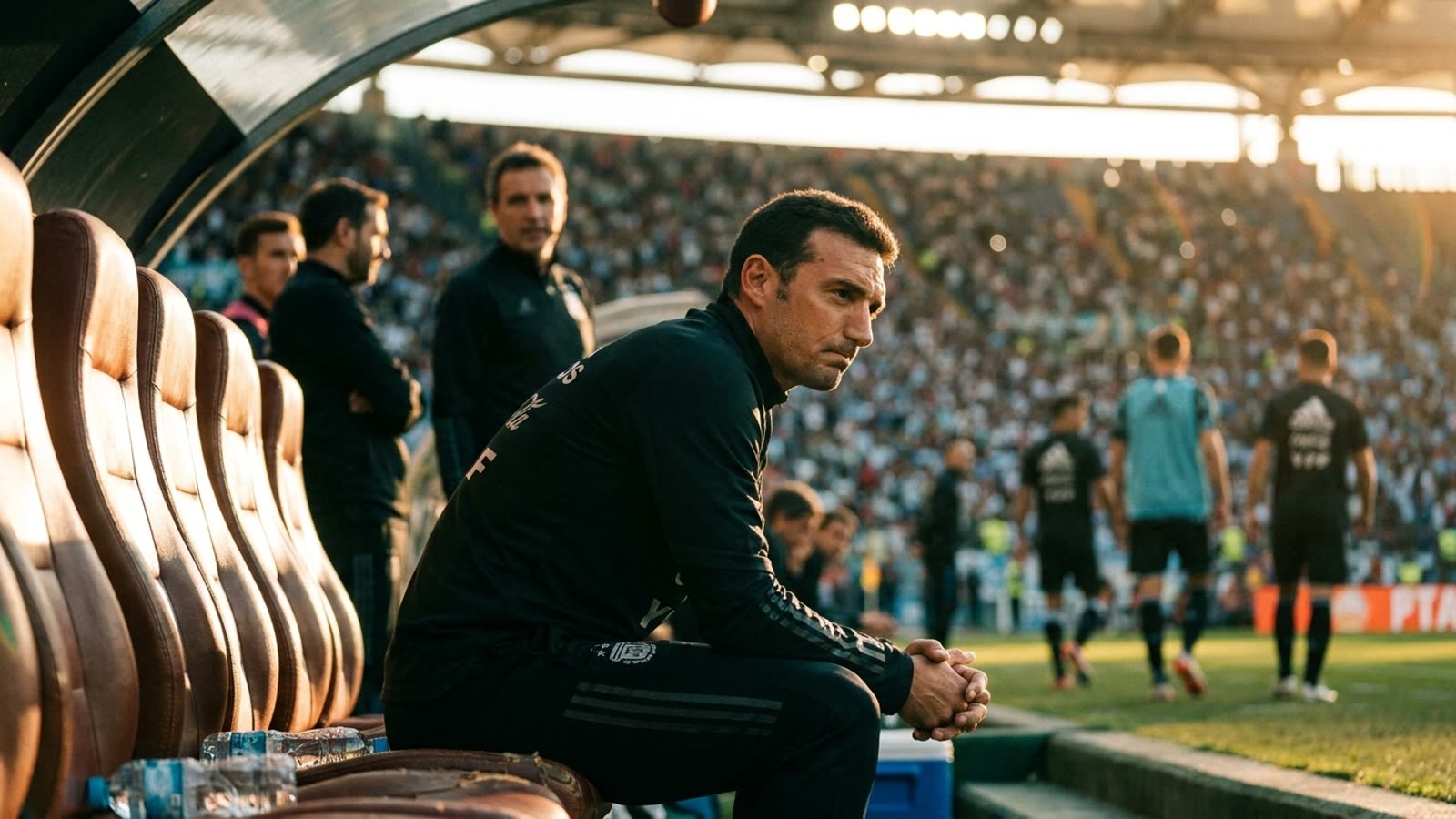
Lionel Scaloni's choice to bench Lionel Messi for the final group match represents the kind of pragmatic calculus that defines tournament football at the highest level. Argentina have already secured their passage to the knockout rounds. Messi, at 38, cannot be asked to play every minute of a month-long World Cup on home soil. The arithmetic is simple even if the optics feel strange.
The preservation protocol
This is not the first time Scaloni has managed Messi's minutes with surgical precision. The Inter Miami star's workload has been carefully calibrated throughout the tournament, with substitutions arriving earlier than the captain might prefer and training sessions adjusted to protect aging joints. What makes this benching notable is its transparency—a public acknowledgment that even Messi operates within physical limits.
The decision also speaks to Argentina's depth. The defending champions can field a starting eleven without their talisman and still expect to win comfortably. Julián Álvarez, Lautaro Martínez, and the midfield contingent have proven capable of carrying the creative burden when required. This is the luxury of a well-constructed squad rather than a one-man operation.
The knockout calculation
Scaloni's gambit is straightforward: a rested Messi in the round of sixteen is worth more than a fatigued Messi with perfect group-stage attendance. The knockout rounds demand everything—extra time, penalty shootouts, the kind of decisive moments that have defined Messi's career. Burning fuel in a match that matters only for seeding would be managerial malpractice.
There is also the emotional dimension of a home World Cup to consider. Argentina's campaign will be remembered not for group stage results but for how far they advance and how Messi performs when elimination looms. Scaloni is betting that his captain will deliver when it counts, provided he arrives at those moments with something left in reserve.
Our take
The image of Messi on the bench will generate predictable hand-wringing from those who confuse sentiment with strategy. But Scaloni has earned the right to make these calls—he delivered a World Cup trophy in Qatar and has managed his squad with remarkable consistency since. The twilight of Messi's international career was always going to require difficult decisions about when to deploy him and when to protect him. That those decisions are being made openly, without injury alibis or diplomatic fictions, suggests a team confident enough to prioritize results over narrative. Messi will play again in this tournament, almost certainly in matches that matter far more than this one.