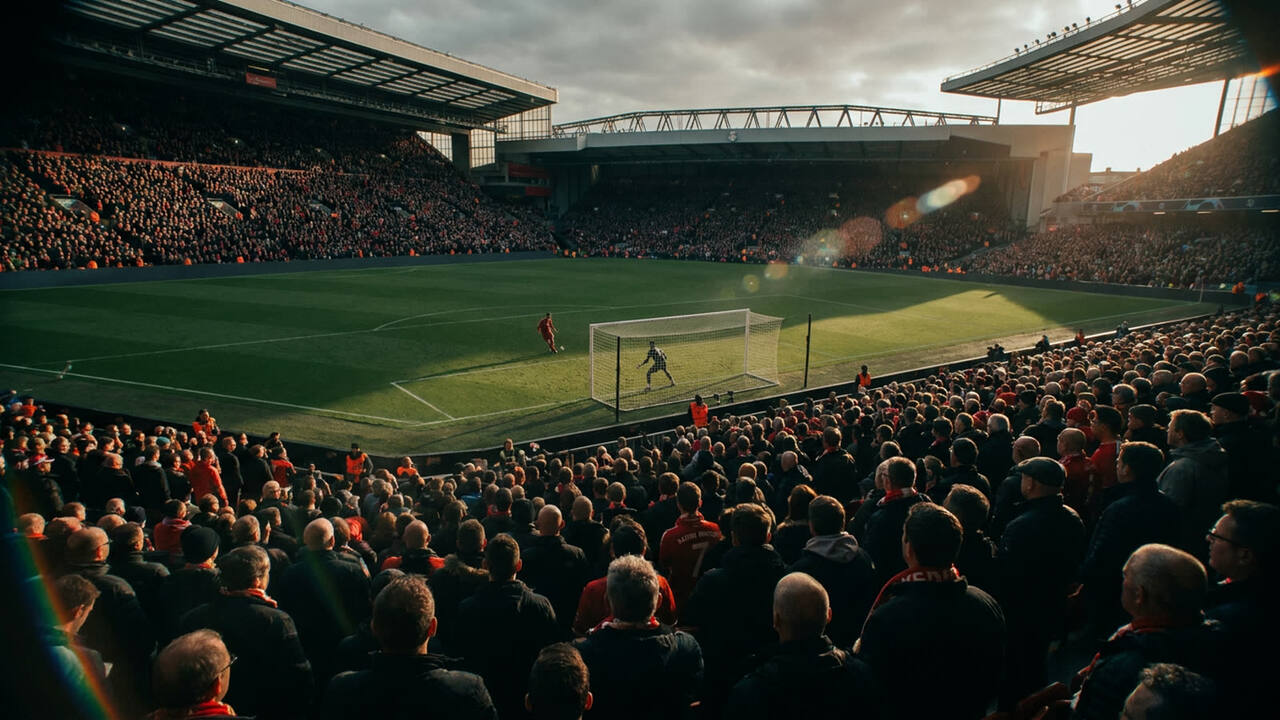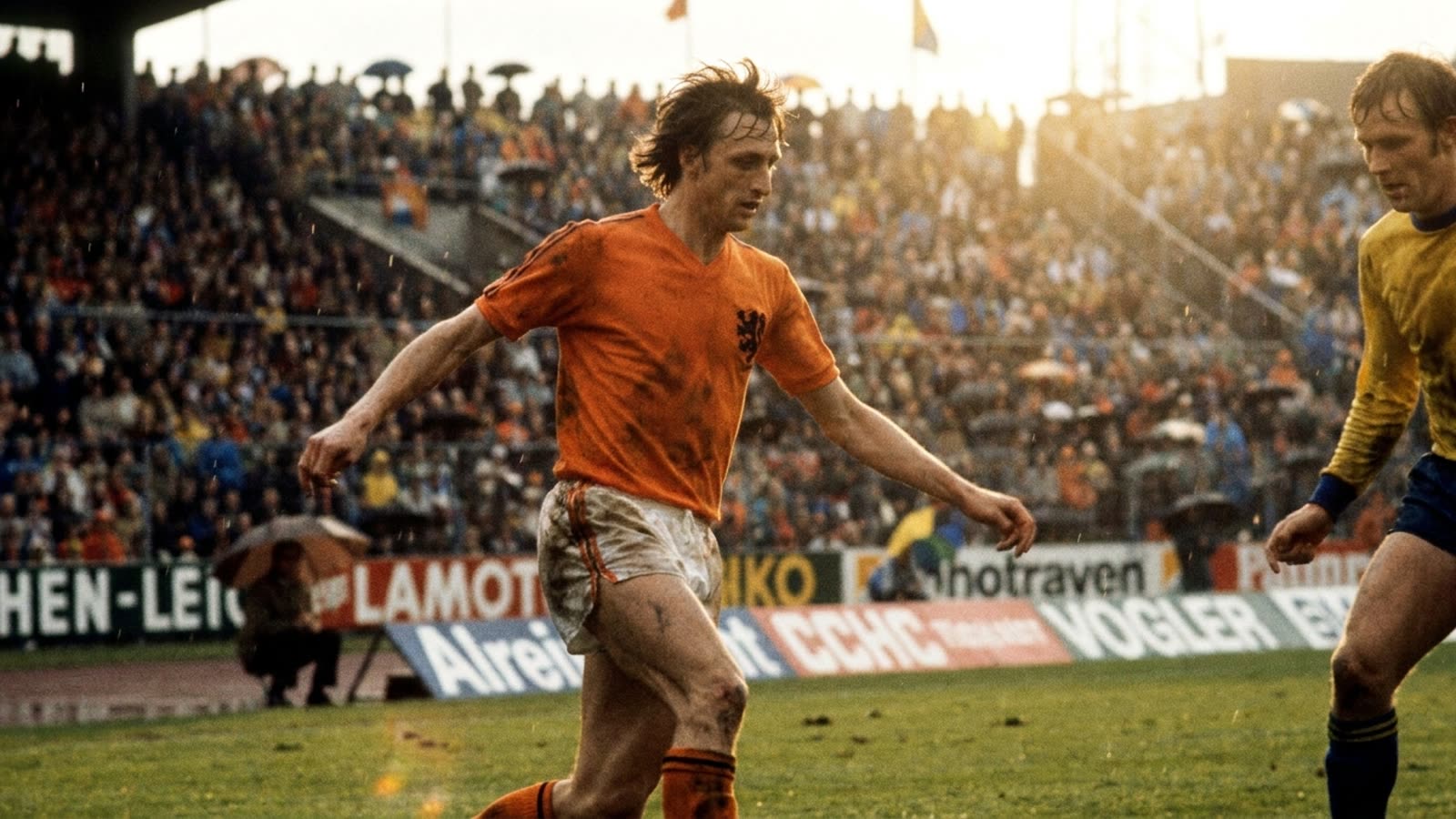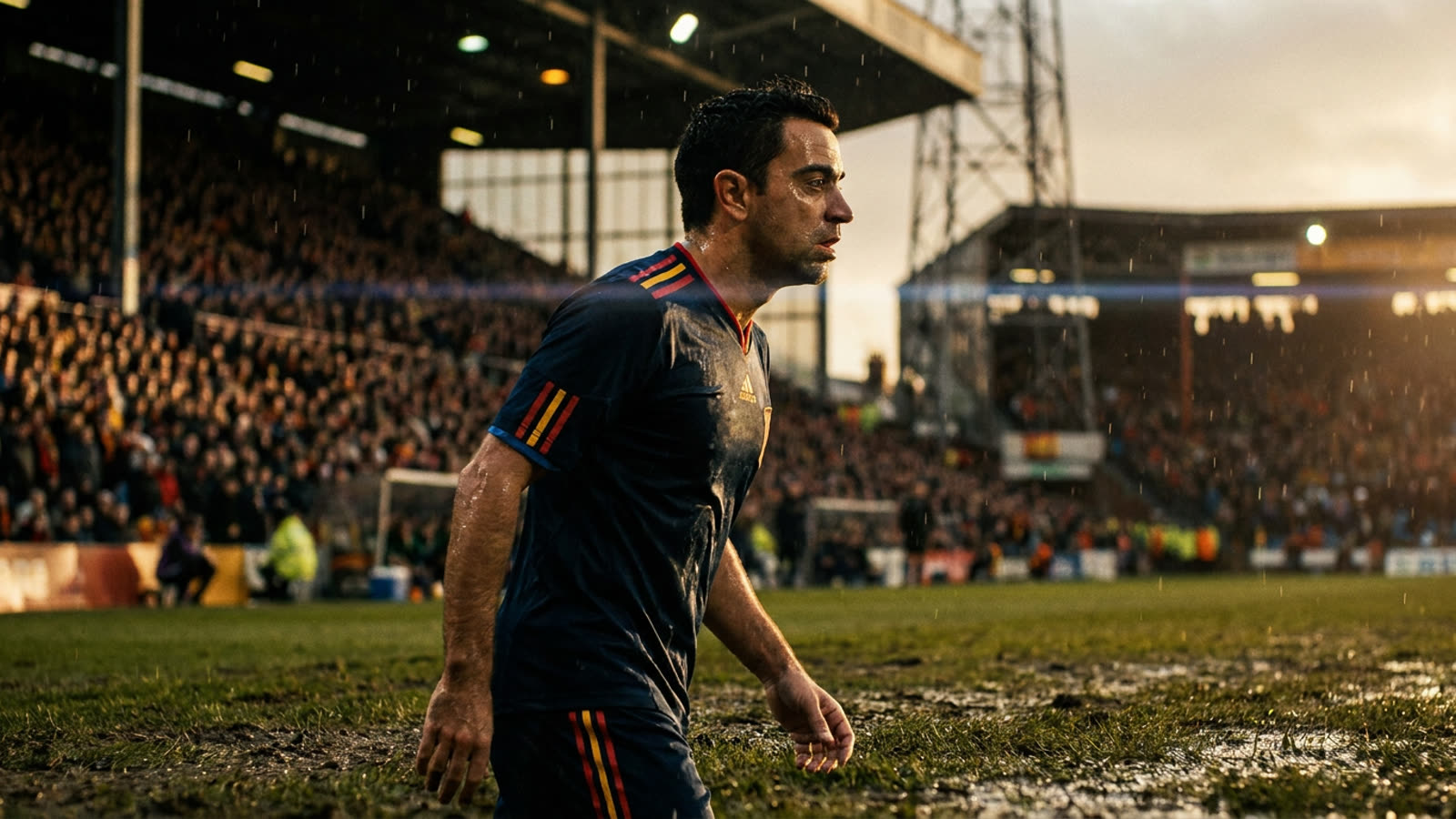
There is a famous statistic about Xavi Hernandez that captures his essence better than any highlight reel: across his career, he completed passes at a rate that seemed to defy the chaos of professional football. But the number itself matters less than what it represented — a player who had already solved the puzzle of where to move the ball while everyone else was still reading the board.
Xavi was never the protagonist of a match in the way Lionel Messi or Cristiano Ronaldo commanded attention. He did not score spectacular goals or make lung-busting runs. What he did was more subtle and, in its way, more revolutionary: he made the game look like it had already been decided, as if the passes and movements were following a script only he could see.
The geometry of the midfield
To watch Xavi at his peak with Barcelona and Spain was to observe someone thinking in shapes. He positioned himself to always offer a passing angle, to always have an escape route, to always keep the ball moving in service of a larger architectural project. His body orientation before receiving a pass was a tell — he had already scanned the field, already knew whether to play forward, backward, or sideways.
This was the essence of tiki-taka, the possession-based style that dominated world football in the late 2000s and early 2010s. And while Pep Guardiola was its architect and Messi its finisher, Xavi was its central nervous system. Without him, the philosophy would have been an abstraction. With him, it became a method for winning World Cups and European Championships in succession.
The limits of the beautiful
Xavi's style was not without critics. Possession for its own sake can become sterile, and there were matches where Barcelona and Spain seemed to pass the ball endlessly without genuine threat. The 2010 World Cup final against the Netherlands was a grinding, cynical affair that Spain won through a late goal, not through the flowing football Xavi embodied. The style proved vulnerable to teams willing to defend deep and absorb pressure.
Yet this criticism somewhat misses the point. Xavi's contribution was not that possession football was invincible, but that it was viable at the highest level — that a team could be built around control rather than counterattack, around collective intelligence rather than individual brilliance. He proved that a player without exceptional physical gifts could be the most important man on a pitch filled with athletes.
Our take
Xavi Hernandez belongs in the conversation about the greatest midfielders ever to play the game, alongside Zidane and Platini and Cruyff, though he operated in a different register than any of them. His legacy is not a collection of moments but a way of seeing football — as a problem of space and time that can be solved through relentless, intelligent movement. The style he perfected has since been adapted and countered, as all tactical innovations eventually are. But the template remains: that the player who understands the game most deeply can control it, even without controlling the ball.