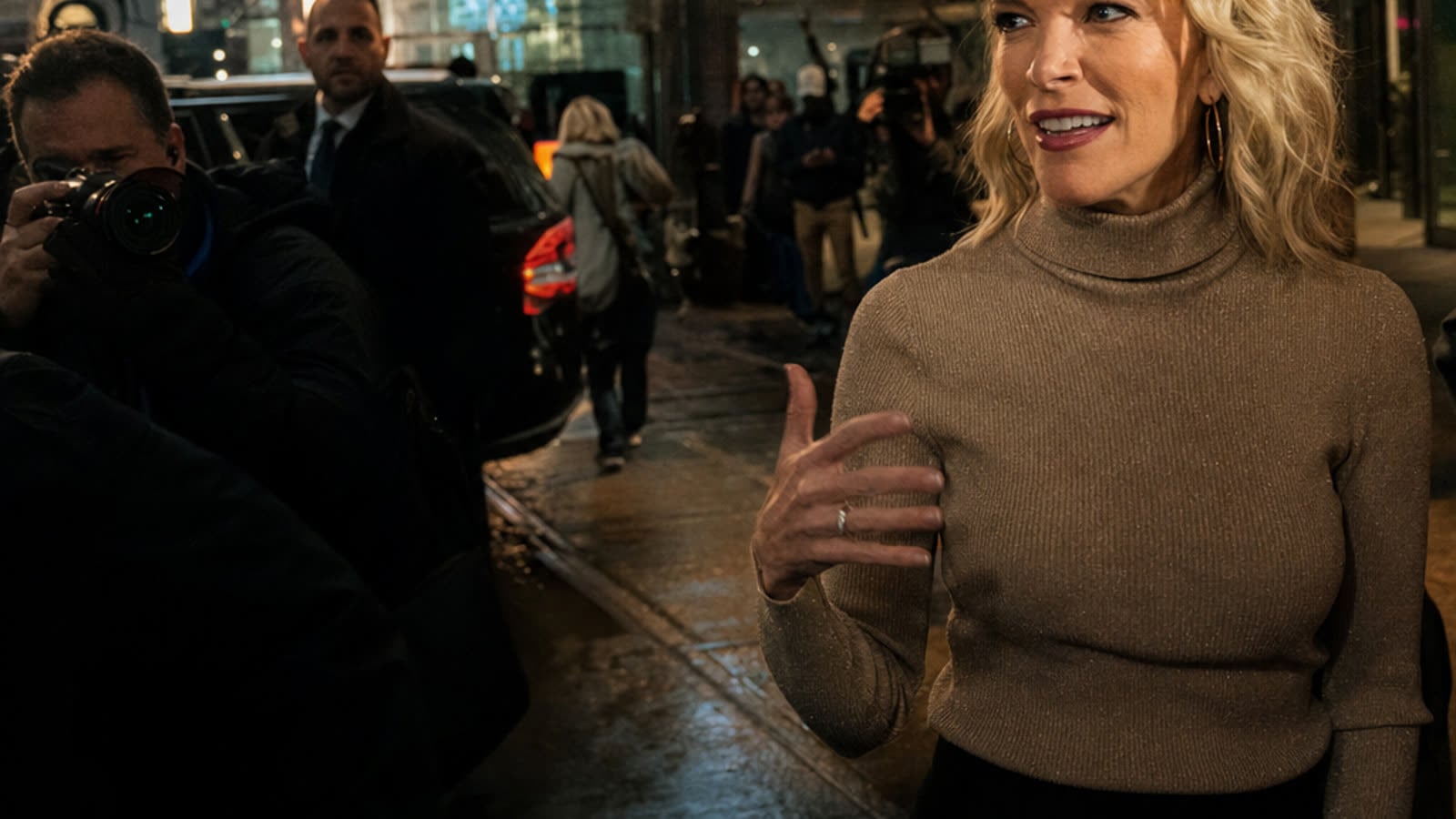
Megyn Kelly has a message for Olivia Rodrigo: shut up and sing. The former Fox News anchor turned podcast host took aim at the 23-year-old pop star this week after Rodrigo endorsed Kamala Harris at a campaign rally, joining the now-familiar parade of celebrities stumping for Democratic candidates. Kelly's critique was pointed and predictable—young entertainers should entertain, not lecture voters on democracy.
The problem for Kelly is that she's fighting a war that ended years ago.
The endorsement industrial complex
Rodrigo's political turn follows the well-worn path blazed by Taylor Swift, Beyoncé, and virtually every major pop act of the past decade. The calculus is simple: Gen Z audiences expect their favorite artists to have opinions, and staying silent increasingly reads as complicity rather than neutrality. Rodrigo, whose fanbase skews young and female, faces essentially no commercial risk in backing the Democratic ticket. Her Spotify streams will not suffer; her arena tours will not empty.
Kelly, meanwhile, has built her post-Fox career on precisely this kind of culture-war skirmish. Her SiriusXM show thrives on moments of righteous indignation against progressive celebrities. The Rodrigo segment was less political analysis than content strategy—a reliable engagement driver for an audience primed to share clips of mainstream stars being taken down a peg.
Why the "stay in your lane" argument collapsed
The notion that entertainers should remain apolitical was always somewhat fictional—Frank Sinatra campaigned for JFK, Charlton Heston became an NRA icon—but it held a certain cultural power through the early 2000s. The Dixie Chicks' career implosion after criticizing George W. Bush in 2003 served as a cautionary tale for a generation.
That era is definitively over. Social media dissolved the boundary between artist and citizen. Silence became impossible to maintain and suspicious when attempted. When Swift finally endorsed Democrats in 2018 after years of studied neutrality, the backlash came not from conservatives but from progressives who had long demanded she speak up. The incentive structure flipped entirely.
Kelly's critique assumes an audience that still believes in the separation of entertainment and politics. That audience is aging out of cultural relevance.
The real stakes
Neither Rodrigo's endorsement nor Kelly's response will move votes in meaningful numbers. Celebrity endorsements have notoriously weak effects on electoral outcomes—voters who attend Olivia Rodrigo concerts were not exactly undecided on the Harris question. The exchange matters more as a marker of where the culture has settled: artists are expected to be activists, and critics of that expectation are themselves performing for their own audiences.
Rodrigo will continue selling out arenas. Kelly will continue booking guests who agree that Hollywood has lost its mind. Both are playing their assigned roles in a media ecosystem that rewards conflict over persuasion.
Our take
Kelly is not wrong that celebrity political endorsements are often shallow, self-serving, and ineffective. She is wrong to pretend there was ever a golden age when pop stars stayed out of politics and audiences preferred it that way. The lane Rodrigo is supposed to stay in never really existed—it was always a fiction maintained by artists who calculated that silence served their commercial interests. Now the calculation runs the other way. Kelly knows this, which is why she's complaining about it on a podcast rather than expecting anything to change.