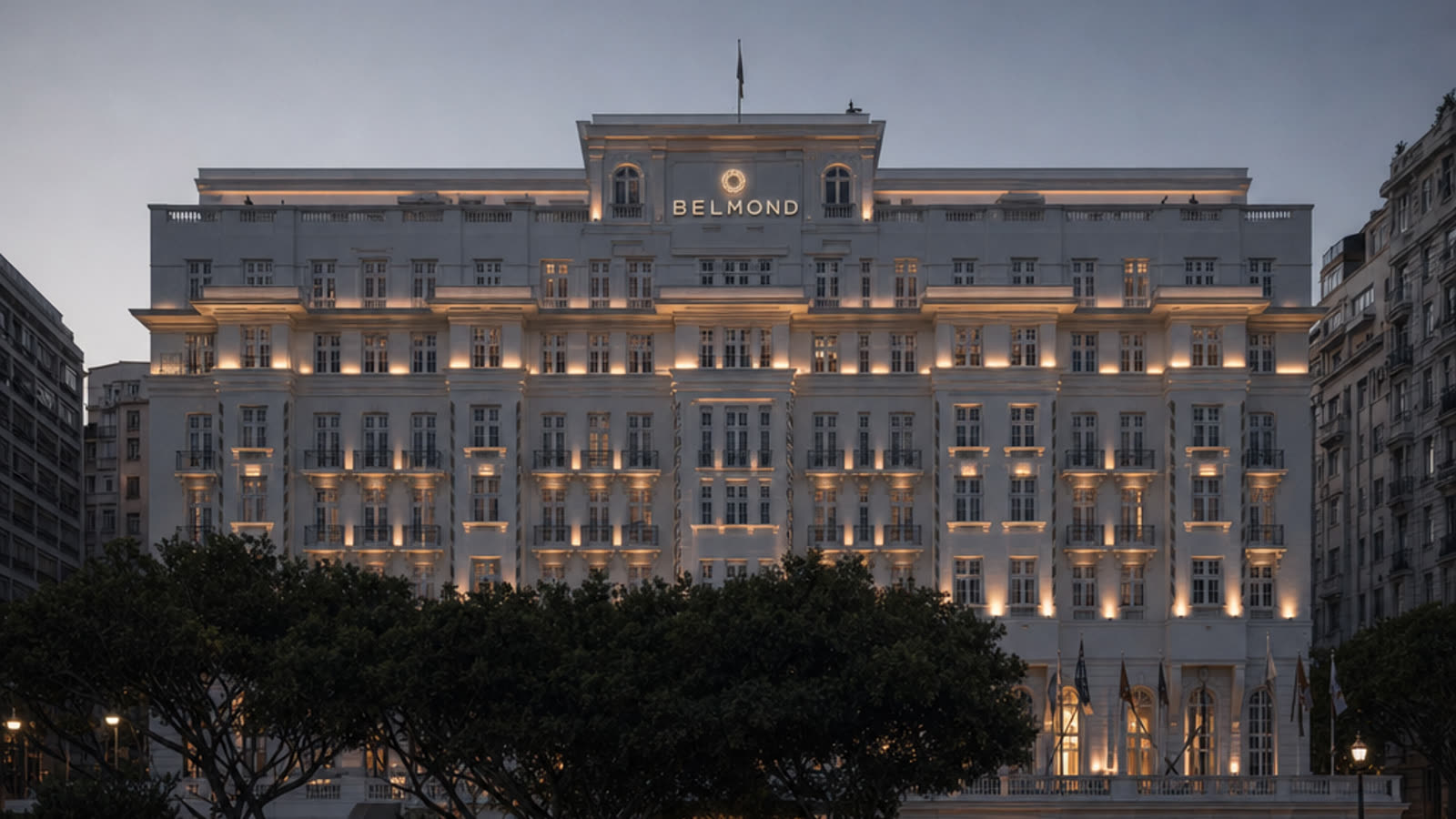
The pitch is absurd on its face: pay several thousand dollars to travel a distance a budget airline covers in ninety minutes, arrive exhausted from champagne and five-course dinners, and call it a vacation. Yet the Venice Simplon-Orient-Express sells out months in advance, Japan's Seven Stars in Kyushu commands waiting lists measured in years, and Belmond, the company behind the original Orient Express revival, has expanded its rail portfolio across three continents. Luxury train travel is not surviving despite its inefficiency — it is thriving because of it.
The economics should not work. Rail requires enormous capital expenditure: restored 1920s Pullman carriages, dedicated staff ratios approaching one-to-one, and track fees paid to national rail operators who would rather run profitable commuter services. A single suite on the Royal Scotsman costs more per night than most five-star hotels. And yet the sector has seen consistent growth, with new entrants launching routes through Scandinavia, Southeast Asia, and the American Southwest.
The theater of slowness
What these trains sell is not transportation but temporal dislocation. The Venice Simplon-Orient-Express journey from London to Venice takes roughly twenty-four hours; a flight takes two. But the flight offers nothing except arrival. The train offers a complete narrative arc: the departure from Victoria Station's private lounge, the Channel crossing, the Alpine dawn, the gradual approach through the Veneto. Passengers pay for the privilege of being unreachable, of having their phones rendered useless by tunnels and foreign roaming charges, of being forced into conversation with strangers over white tablecloths.
This is the opposite of what commercial aviation has become. Airlines have spent decades compressing the travel experience into pure efficiency — faster boarding, tighter seats, shorter connections. Luxury trains have responded by expanding the experience into deliberate inefficiency. The Seven Stars in Kyushu takes four days to cover a route that could be driven in eight hours. The journey includes stops at hot springs, pottery villages, and shrines, but the train itself is the attraction: a moving ryokan with cypress-wood bathtubs and kaiseki meals timed to the landscape outside.
The heritage premium
Nostalgia alone does not explain the business model. The Orient Express trades on Agatha Christie and 1930s glamour, but its passengers are not primarily elderly romantics. The demographic skews younger than luxury cruises, with a significant cohort of travelers in their thirties and forties who have never experienced train travel as anything other than commuter drudgery. For them, the appeal is not memory but novelty — the strangeness of dressing for dinner in a moving vehicle, of sleeping in a compartment that converts from sitting room to bedroom through mechanical ingenuity.
The operators have understood this. Belmond's recent refurbishments emphasize Art Deco authenticity but add modern soundproofing and climate control. The Rovos Rail in South Africa, which runs from Pretoria to Cape Town, maintains steam locomotives for departures but switches to diesel for the actual journey. The heritage is real enough to photograph; the comfort is contemporary enough to endure.
Our take
Luxury trains have discovered something the broader hospitality industry is still learning: scarcity of time is the ultimate luxury good. Their passengers are not escaping work — most remain professionally successful and perpetually connected. They are purchasing a socially acceptable excuse to disconnect, a journey that cannot be hurried, a destination that is also the means of arrival. The trains are selling enforced presence in an economy of perpetual distraction. That the vehicle happens to be beautiful is almost incidental.