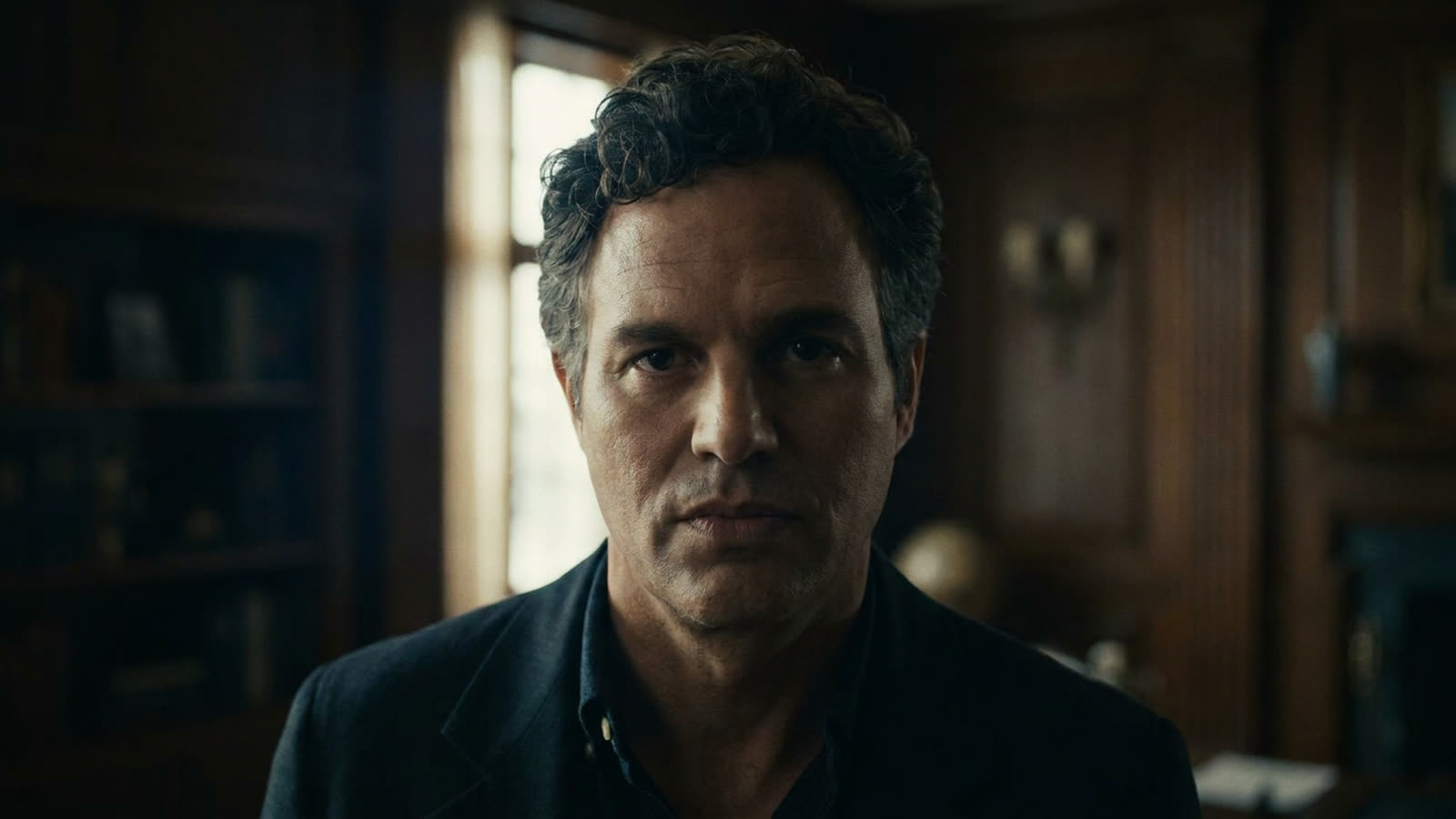
When Mark Ruffalo casually mentioned on the "I've Had It" podcast that he believes he's "already on a list" of actors banned by Paramount-Skydance for opposing its acquisition of Warner Bros., the entertainment press treated it as celebrity gossip. It's something more significant: a rare moment of candor about the soft blacklists that have always existed in Hollywood but rarely get named aloud.
Ruffalo, who called the merged entity's leadership "vindictive motherfuckers," has been among the most vocal critics of the consolidation wave reshaping the industry. His opposition isn't merely political posturing—he's argued that fewer studios mean fewer jobs, less creative risk-taking, and more leverage for executives over talent. Whether or not a literal list exists in some Paramount executive's desk drawer is almost beside the point. The chilling effect is real regardless.
The new math of speaking out
In the old studio system, getting blacklisted required Communist sympathies or spectacular public disgrace. Today's version is subtler and arguably more effective. When three or four conglomerates control most major production, an actor who irritates one leadership team has meaningfully fewer places to work. Ruffalo can still make independent films and prestige television, but the $150 million tentpoles that sustain A-list careers? Those doors narrow quickly when you call the people writing the checks vindictive on a podcast.
The calculus has changed for everyone in the industry. Agents now counsel clients to stay quiet on consolidation. Publicists scrub interviews of anything that might read as anti-corporate. The result is a Hollywood where the people most affected by mergers—the writers, actors, and crew whose livelihoods depend on a competitive marketplace—are the least likely to criticize them publicly.
Why Ruffalo can afford to talk
At 58, with an Oscar nomination, a Marvel franchise role that's largely run its course, and enough wealth to be selective, Ruffalo occupies a rare position: he has less to lose than most. His willingness to speak suggests he's already made peace with whatever professional consequences follow. That's a luxury most working actors don't have, which is precisely why his candor matters. Someone with nothing to risk is the only one who can say what everyone knows.
Our take
The entertainment industry has always been transactional, and executives have always had long memories. What's different now is the scale. When Ruffalo started his career, getting frozen out by one studio meant pivoting to another. Today, getting frozen out by Paramount-Skydance-Warner means losing access to roughly a third of major American film production. That's not a blacklist in the McCarthy sense—no one's going to prison—but it's a structural reality that makes dissent professionally irrational for anyone who still needs the work. Ruffalo's willingness to say the quiet part loud is less an act of courage than an acknowledgment that the game has changed, and he's decided he'd rather be right than employed by people he despises.