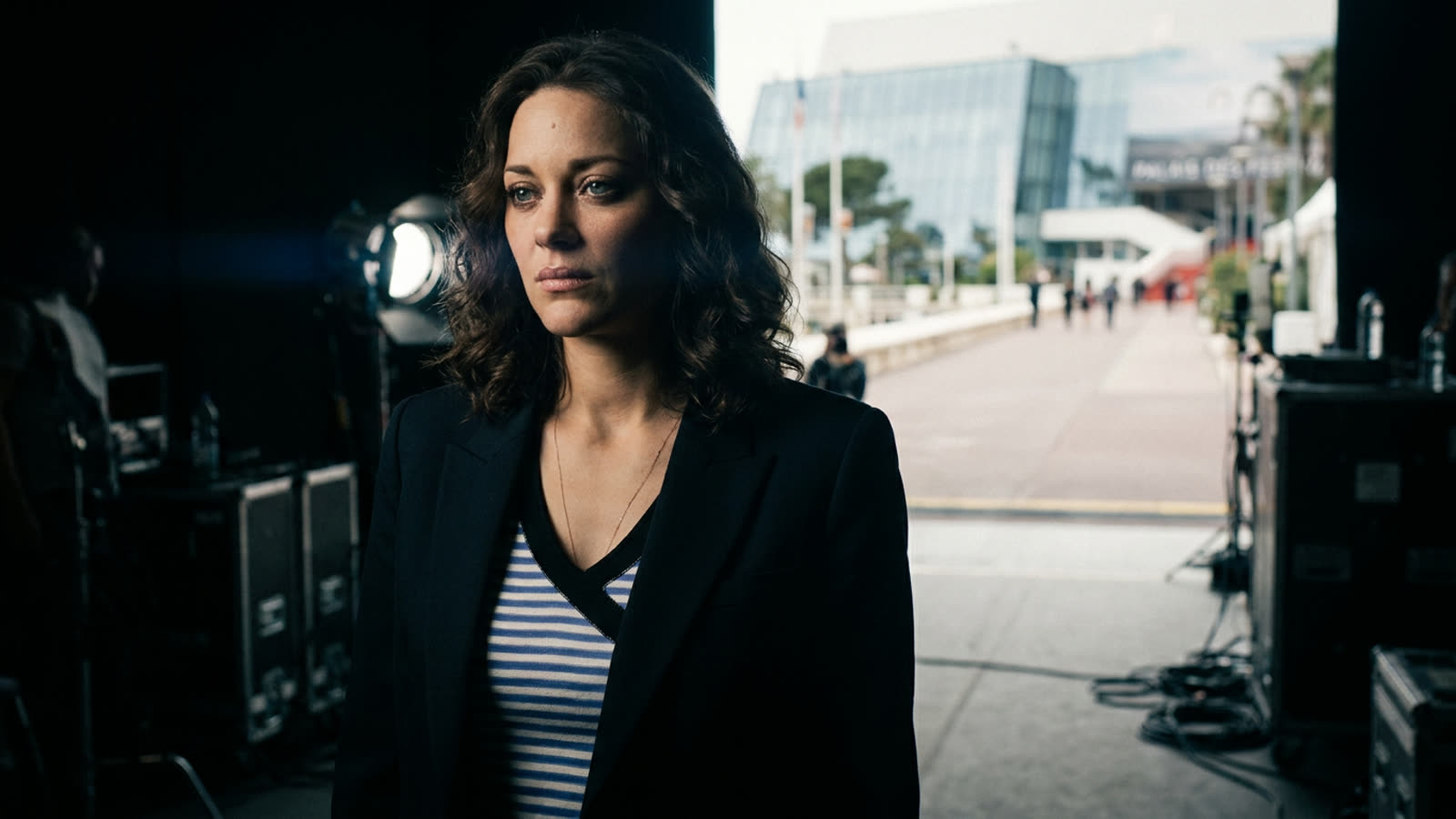
Marion Cotillard has spent the better part of a decade doing something almost unheard of for an Oscar-winning actress at the peak of her powers: saying no. While her contemporaries chased franchise roles and streaming deals, the French star quietly retreated to Paris, prioritizing her two children and accepting only projects that didn't require months away from home. Now, at 50, she arrives at Cannes 2026 with two films and a perspective that feels almost radical in an industry obsessed with perpetual availability.
The cost of stepping back
Cotillard's absence from Hollywood wasn't a dramatic exit—it was a series of polite declines that accumulated into something resembling a statement. After her run of prestige American films in the early 2010s, including Christopher Nolan's The Dark Knight Rises and Inception, she began filtering offers through a single question: would this role require her to be away from her children for extended periods? The answer was usually disqualifying. "I didn't announce anything," she has said in recent interviews. "I just started making different choices." The result was a filmography that tilted heavily toward French and European productions—smaller budgets, shorter shoots, and significantly less visibility in the American market that had once celebrated her.
Karma and contagion
Her Cannes return is anchored by Karma, a brutal psychological drama that reportedly left early viewers shaken at its premiere. The film's title nods to Eastern philosophy's twelve rules of karma, but Cotillard's performance apparently adds an unofficial thirteenth: the inevitability of consequences catching up with those who believe they've escaped them. She's also promoting her role in a project that carries uncomfortable echoes of her 2011 film Contagion—arriving at a moment when hantavirus outbreaks have returned pandemic anxiety to the cultural conversation. The timing is either unfortunate or prescient, depending on your tolerance for cosmic irony.
The economics of presence
What makes Cotillard's choices interesting isn't the family-first narrative—plenty of actors claim similar priorities while maintaining relentless schedules. It's that she actually followed through, accepting the professional consequences rather than finding workarounds. In an era when A-list actresses are expected to maintain visibility through social media, brand partnerships, and strategic festival appearances even between projects, Cotillard essentially went dark. She didn't pivot to producing or directing. She didn't launch a lifestyle brand. She just parented, acted occasionally in her native language, and waited for her children to grow older.
Our take
There's something almost subversive about Cotillard's decade of refusal, even if she'd never frame it that way. Hollywood operates on the assumption that talent is fungible and that stepping away means being replaced. Cotillard bet that her particular combination of skills—the stillness, the emotional precision, the face that cameras seem magnetically drawn to—would still be valuable when she was ready to return. At 50, with two films at the world's most prestigious festival, she appears to have been right. The industry didn't wait for her, exactly, but it didn't forget her either.