The most clarifying lens for understanding contemporary politics is not ideology, class, or even culture war — it is football fandom. Specifically, the way supporters of elite clubs process inconvenient truths about their teams has become indistinguishable from how partisans process inconvenient truths about their politicians.
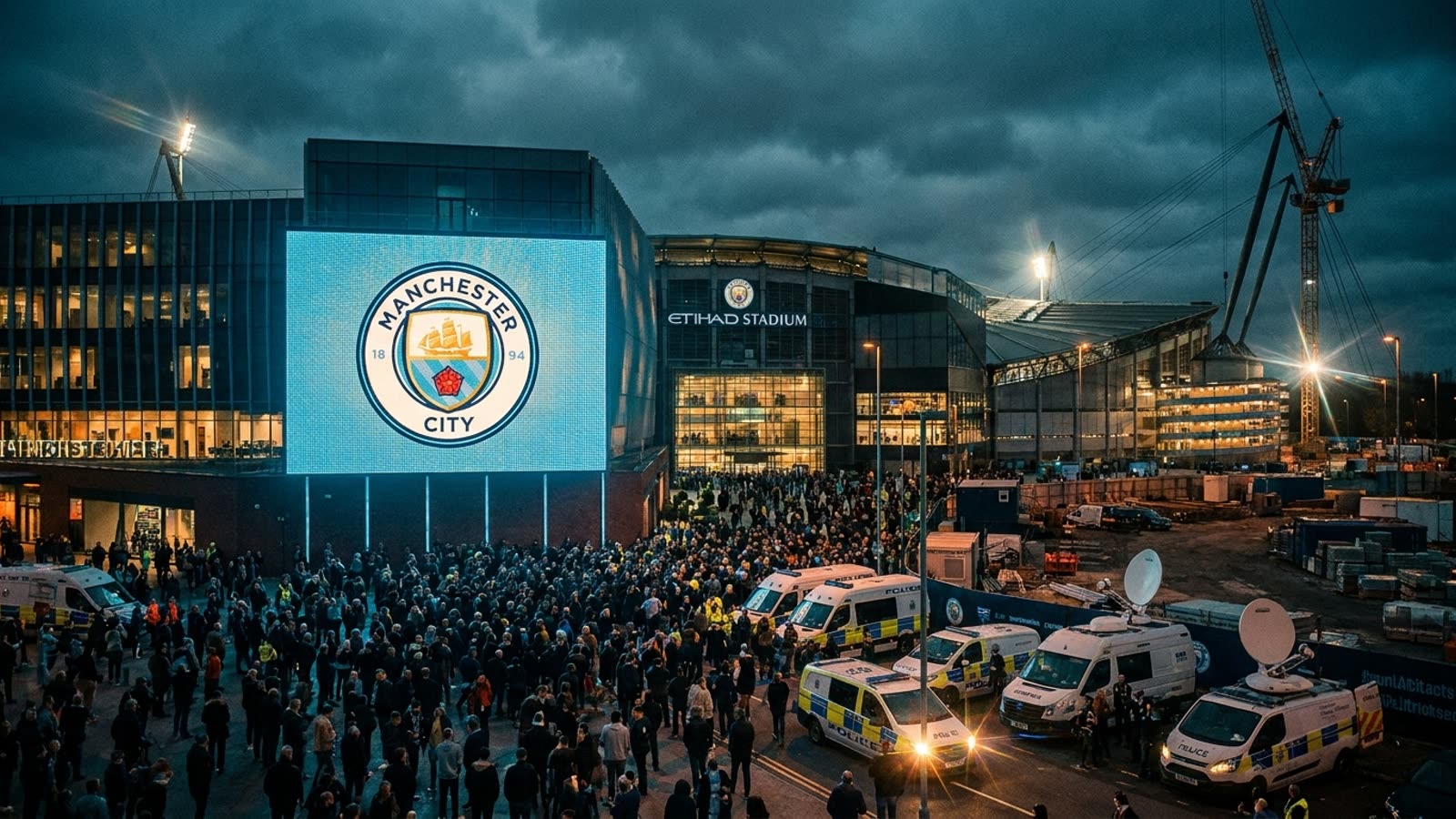
Manchester City provides the case study. The club faces over 100 charges of alleged financial rule-breaking, accusations that would, in any other context, prompt supporters to demand accountability. Instead, the dominant fan response has been defensive solidarity: the charges are a conspiracy, the Premier League is jealous, the evidence is manufactured. Sound familiar?
The loyalty override
Psychologists call it "motivated reasoning" — the tendency to evaluate information based on whether it supports a desired conclusion rather than on its merits. Football has always trafficked in this cognitive bias. What has changed is the degree to which political movements have adopted the same playbook.
The tribal compact in football is explicit: you support your club through relegation and scandal, through managerial chaos and ownership controversy. Switching allegiances is the only unforgivable sin. This unconditional loyalty, once confined to stadiums, now structures political identity. Voters increasingly treat their party as their club — to be defended against all criticism, especially criticism that might be valid.
The referee is always against us
Every football supporter believes officiating decisions systematically disadvantage their team. This persecution complex, absurd when examined statistically, serves an emotional function: it externalises failure and reinforces group cohesion.
Political movements have internalised this logic completely. The media is biased. The courts are weaponised. The electoral system is rigged — but only when our side loses. The specific grievances vary by faction; the underlying structure is identical. Defeat is never legitimate, never a signal to reconsider strategy or message. It is always evidence of conspiracy.
Why this matters now
The footballification of politics would be merely annoying if it only affected how people argued on social media. But it corrodes the basic machinery of democratic accountability. If voters treat scandals involving their preferred candidates the way Manchester City fans treat Financial Fair Play charges — as attacks to be repelled rather than allegations to be evaluated — then scandal loses its disciplining function entirely.
Politicians have noticed. The successful ones now campaign less on policy than on identity, cultivating the same parasocial loyalty that football clubs enjoy. They understand that a voter who sees themselves as a "supporter" will forgive almost anything, while a voter who sees themselves as a "citizen" might actually change their mind.
Our take
The comparison is not meant to insult football fans — their loyalty is, within its proper domain, admirable. The problem is category error. Supporting Manchester City through a points deduction is harmless tribalism. Supporting a political movement through corruption scandals is democratic decay. The emotions feel identical; the consequences are not. The task for democratic societies is to somehow restore the distinction between cheering for a team and choosing a government. At present, we are moving in the opposite direction.