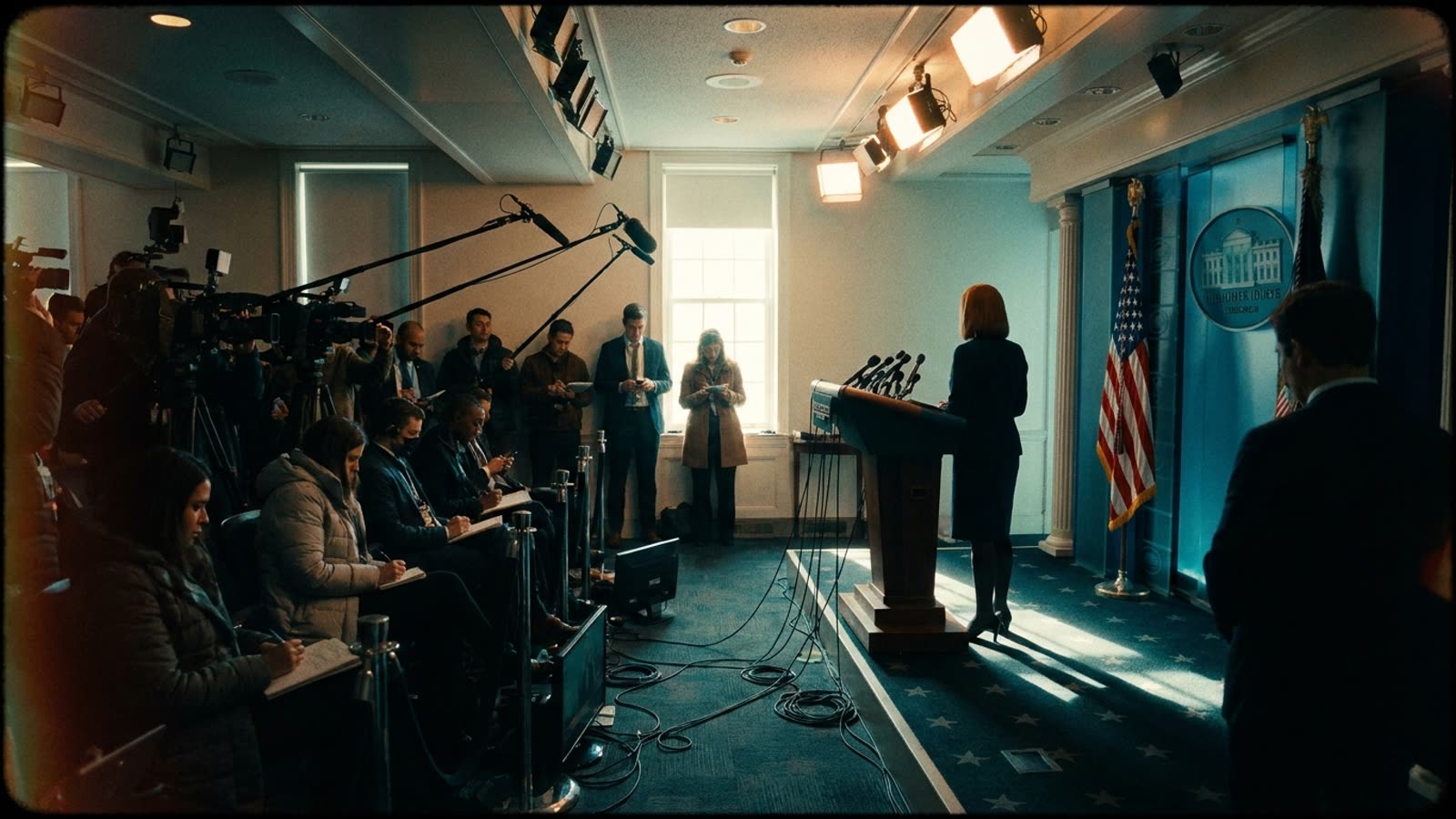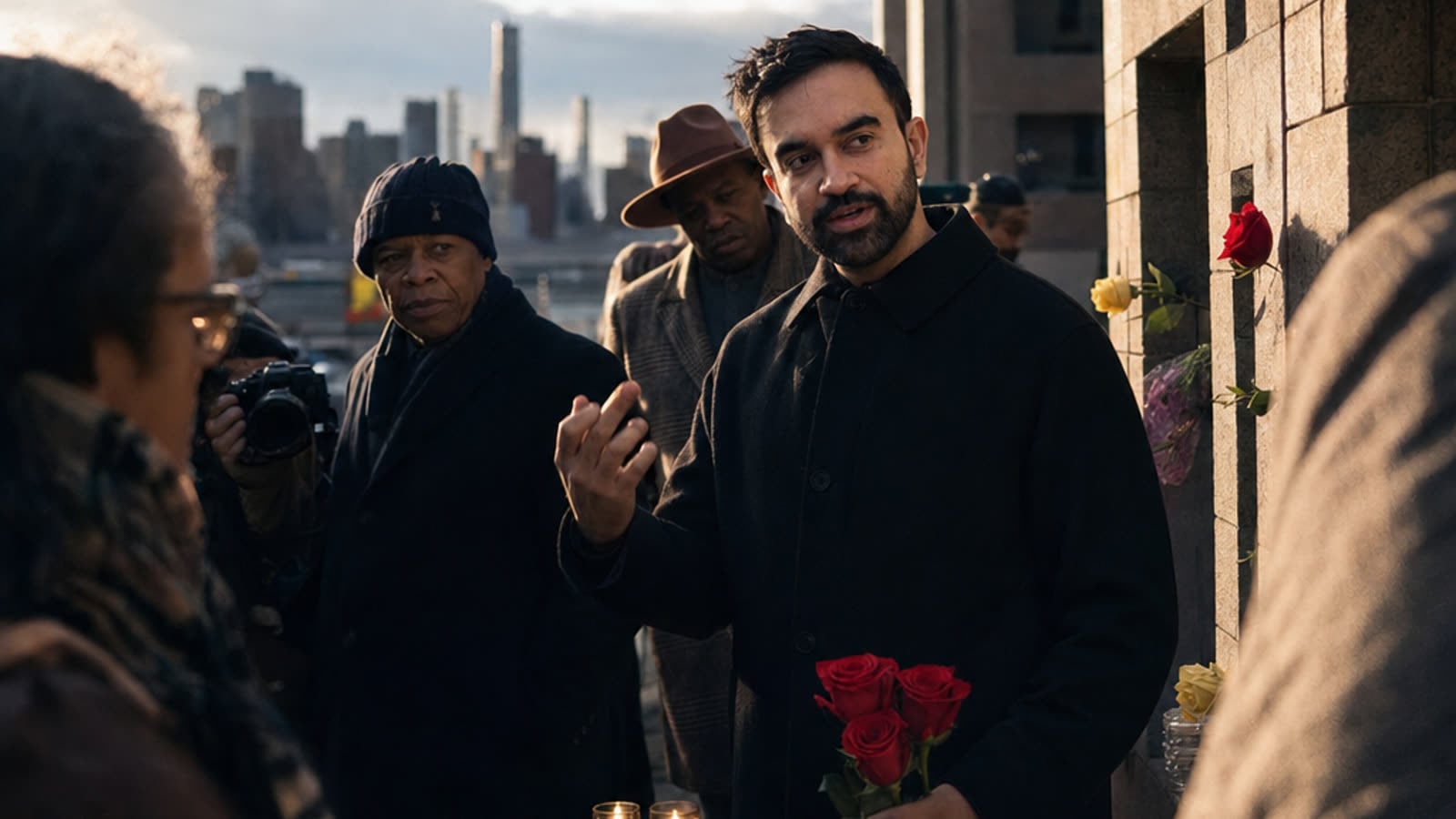
The timing was either courageous or catastrophic, depending on whom you ask. On Monday—the third anniversary of Hamas's October 7 attacks that killed roughly 1,200 Israelis—New York State Senator Zohran Mamdani stood before a crowd in Queens and accused Israel of committing genocide and war crimes in Gaza. The backlash from fellow Democrats was immediate and blistering.
Mamdani, a democratic socialist who represents parts of Queens and has been floated as a potential mayoral candidate, did not soften his language for the occasion. At an event billed as a memorial for Palestinian victims, he described Israel's military campaign as a systematic effort to destroy Palestinian life in Gaza. The remarks placed him squarely against the stated position of President Biden's administration and most of New York's Democratic establishment.
The Political Fault Line
The reaction from Mamdani's colleagues tells you everything about where the Democratic Party's internal tensions currently sit. Assembly Speaker Carl Heastie called the comments "deeply offensive to the families still mourning October 7." Governor Kathy Hochul, who has maintained a staunchly pro-Israel posture, declined to comment directly but pointedly attended a separate memorial service honoring Israeli victims. Meanwhile, progressive groups including the Democratic Socialists of America rallied behind Mamdani, arguing that mourning Palestinian deaths should not require silence about their causes.
The split is not new, but the calendar made it newly explosive. October 7 has become a kind of political Rorschach test: a day when pro-Israel Democrats emphasize the horror of the Hamas attacks, while progressive critics of Israeli policy insist that Palestinian suffering cannot be bracketed off. Mamdani chose to plant his flag firmly on one side.
Why This Matters Beyond New York
Mamdani is not a marginal figure. At 34, he represents a rising generation of progressive politicians who view the Israeli-Palestinian conflict through a lens of settler colonialism rather than the traditional bipartisan framework of Israel as a democratic ally. His potential mayoral bid would test whether that worldview can win citywide in a municipality with one of the largest Jewish populations outside Israel.
The incident also arrives as Democrats nationally are trying to navigate the Gaza issue ahead of the 2026 midterms. The party's base is fractured: older voters and major donors remain broadly supportive of Israel, while younger activists and Arab American constituencies are increasingly alienated. Mamdani's willingness to use the word "genocide"—a term the Biden administration has studiously avoided—forces other Democrats to either distance themselves or risk being associated with a position that polls poorly among swing voters.
Our take
Mamdani knew exactly what he was doing and when he was doing it. Whether you view his remarks as moral clarity or political malpractice depends entirely on your priors about Gaza, but the strategic calculation is unmistakable: he is betting that the Democratic Party's future belongs to voices willing to break with the old consensus on Israel. That bet may be premature. It may also be prescient. What it is not is naive.