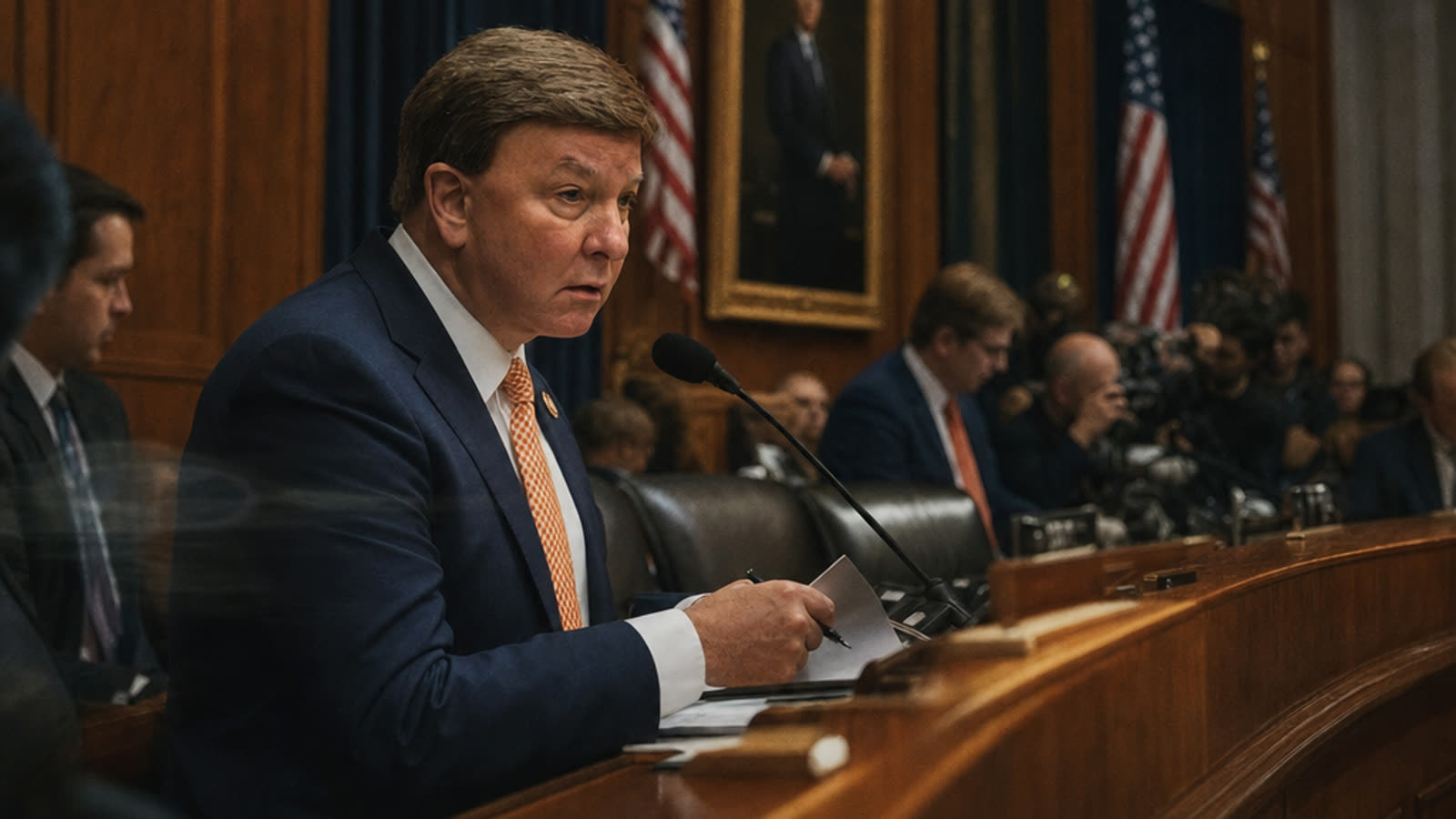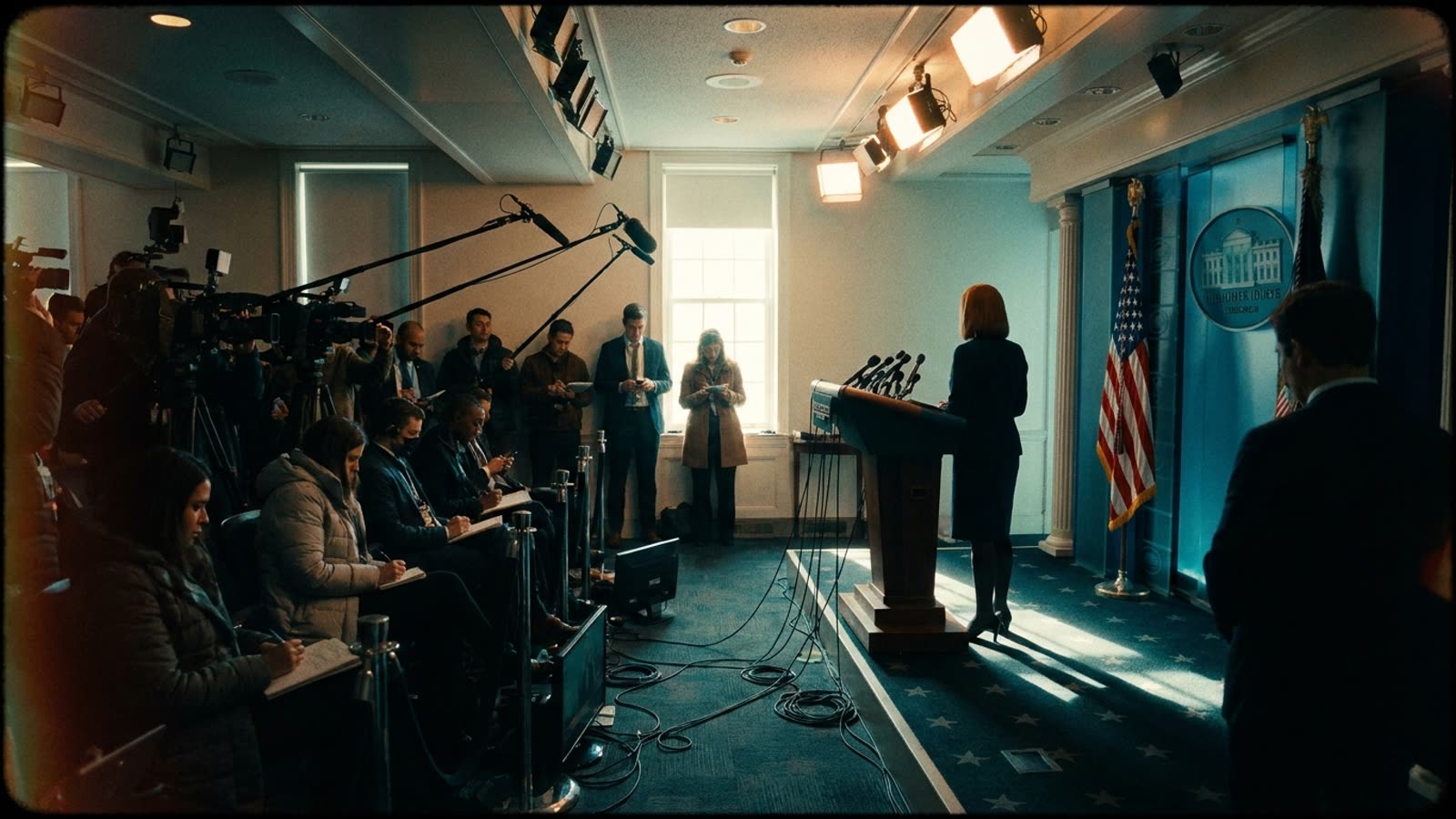
The President of the United States is publicly musing about sacking members of his inner circle three weeks before a midterm election in which his party is already struggling. The reason: a report alleging that senior political advisers provided strategic assistance to a government Washington officially regards as hostile. Whether the firings materialize matters less than the spectacle itself—a White House consumed by loyalty tests while Republican candidates nationwide quietly beg him to stay off the trail.
The report and its fallout
Details of the alleged pro-Russia assistance remain fragmentary, but the political damage is already compounding. By floating terminations rather than issuing denials, President Trump has signaled that the underlying claims carry enough weight to warrant a response. In the grammar of Washington scandal management, that is an admission dressed as a threat. Advisers who survive the next news cycle will operate under a cloud; those who do not will become the story themselves, generating subpoenas and cable-news booking requests well into November.
A party that cannot afford distractions
Republican incumbents in competitive Senate and House races have spent months calibrating their distance from the President. His approval ratings, persistently underwater, make joint appearances a liability in swing districts. The Russia story hands Democratic challengers a readymade attack line that requires no policy debate—just the implication of foreign entanglement at the highest level. Candidates who once hoped to run on inflation and border security now face questions about who, exactly, is advising the Commander-in-Chief.
Historical echoes, modern velocity
Midterm elections have survived October surprises before, but the information environment of 2026 compresses scandal cycles into hours rather than weeks. By the time opposition researchers finish clipping the President's remarks, social-media algorithms will have served them to every undecided voter in a targeted district. The White House's instinct—float the firings, gauge reaction, decide later—may have worked in a slower news era. Today it merely extends the bleeding.
Our take
The substance of the Russia allegations will be adjudicated elsewhere; what matters for the midterms is the atmospherics. A president who publicly entertains firing his own advisers over foreign-government ties is a president who has lost control of his narrative. Republicans did not need another headwind. They have one anyway.