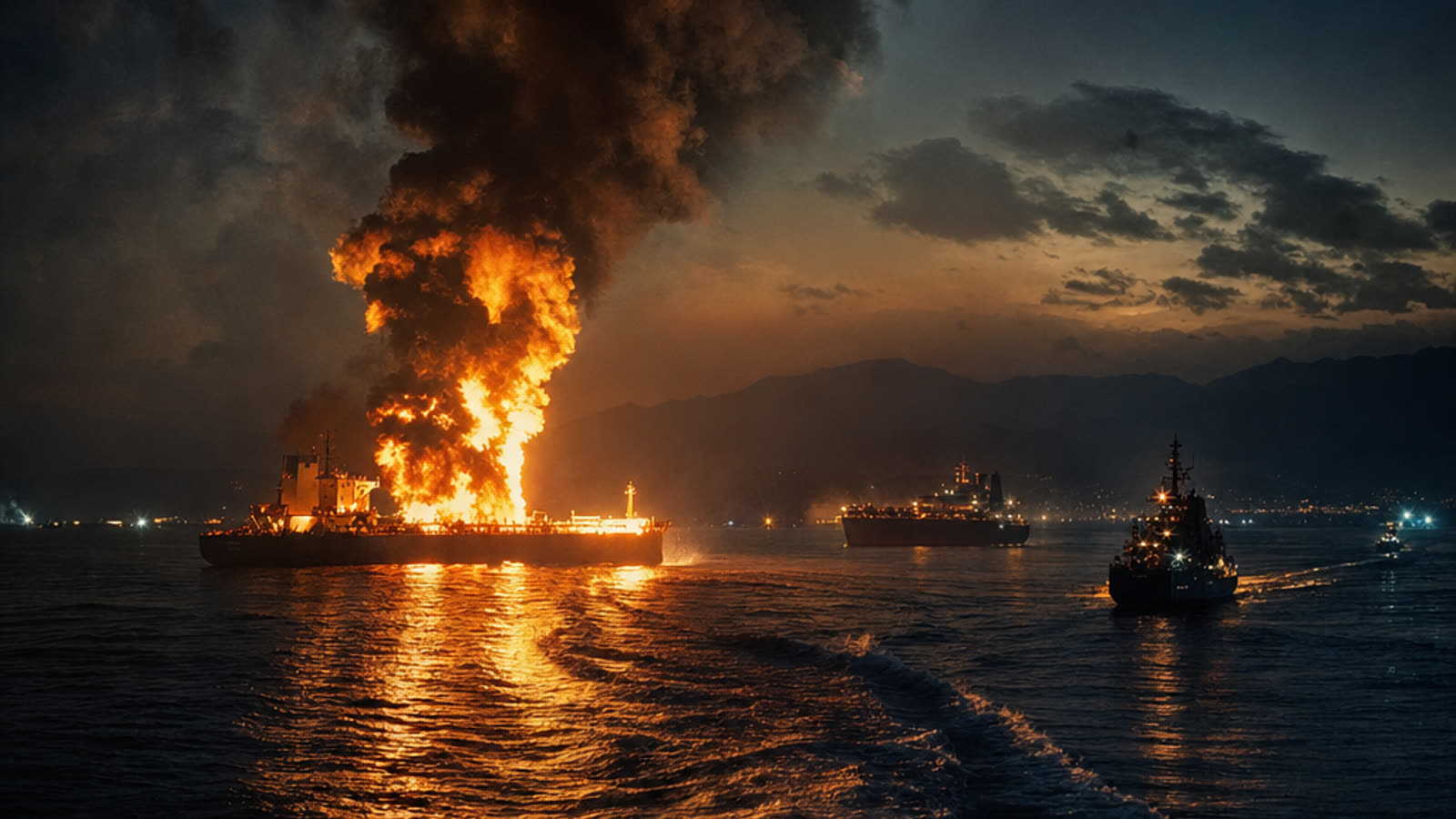
The narrow passage between Iran and the Arabian Peninsula has always been the world's most consequential bottleneck—roughly a fifth of global petroleum flows through it on any given day. This week, that bottleneck became a shooting gallery.
According to shipping and intelligence sources, attacks on commercial tankers transiting the Strait of Hormuz reached their highest weekly total since the Iran conflict escalated into open warfare. The surge marks a troubling inflection point: Tehran appears willing to treat the strait itself as a combat zone, not merely adjacent to one.
Why the escalation now
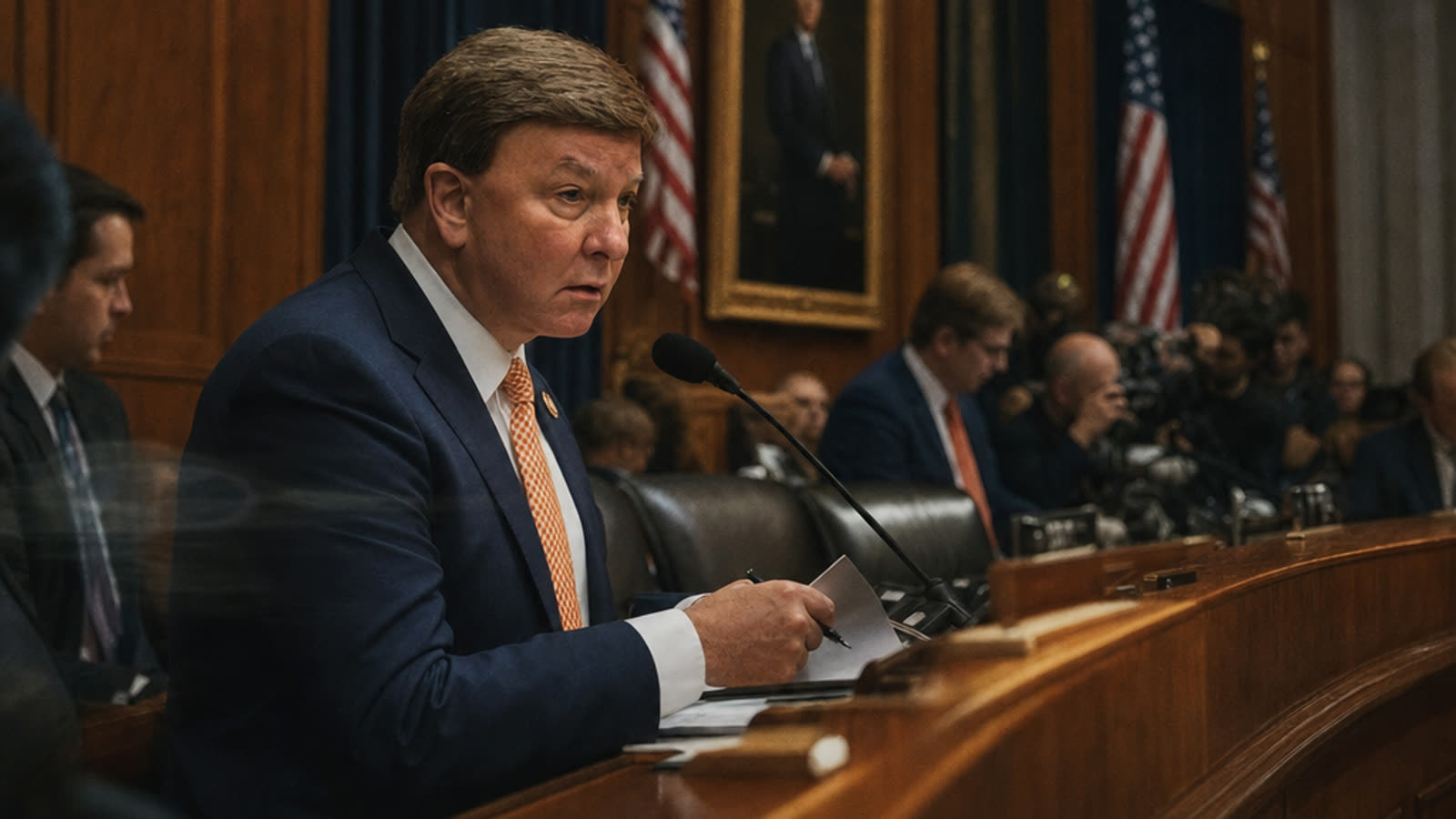
Iran's calculus has shifted. With Vice President Vance publicly demanding Tehran halt uranium enrichment as a precondition for any ceasefire, hardliners in the Islamic Revolutionary Guard Corps face little incentive to de-escalate. Targeting tankers—many flagged to neutral states—serves multiple purposes: it raises the economic cost of Western support for regional adversaries, tests the limits of U.S. and allied naval patrols, and reminds Gulf monarchies that their export lifelines run through Iranian-adjacent waters.
The attacks also exploit a structural vulnerability. Coalition warships can intercept drones and missiles aimed at military assets, but defending dozens of slow-moving commercial vessels spread across busy sea lanes is a different problem entirely. Insurers have already begun repricing risk; Lloyd's of London war-risk premiums for Gulf transits have climbed sharply this month.
The energy-market ripple
Oil prices spiked on the news, though the move was tempered by elevated U.S. inventories and softening Chinese demand. Still, traders are nervous. A sustained campaign against tanker traffic—even one that sinks no ships—can divert cargoes around the Cape of Good Hope, adding weeks and millions of dollars to each voyage. That friction eventually lands on consumers, from European motorists to Asian manufacturers.
Natural-gas markets, already jittery ahead of the Northern Hemisphere winter, are watching Qatari LNG carriers with particular attention. Qatar's massive North Field shares a geological reservoir with Iran's South Pars; any miscalculation in the strait could imperil shipments that keep European grids lit.
Our take
Hormuz has been called the "jugular of the global economy" so often the phrase has lost its punch. This week should restore it. Iran is signaling that it views tanker traffic as leverage, not collateral damage—a distinction with profound implications for energy security, insurance markets, and the credibility of Western deterrence. If coalition navies cannot guarantee safe passage, the economic geography of oil will start to shift in ways that outlast any ceasefire.