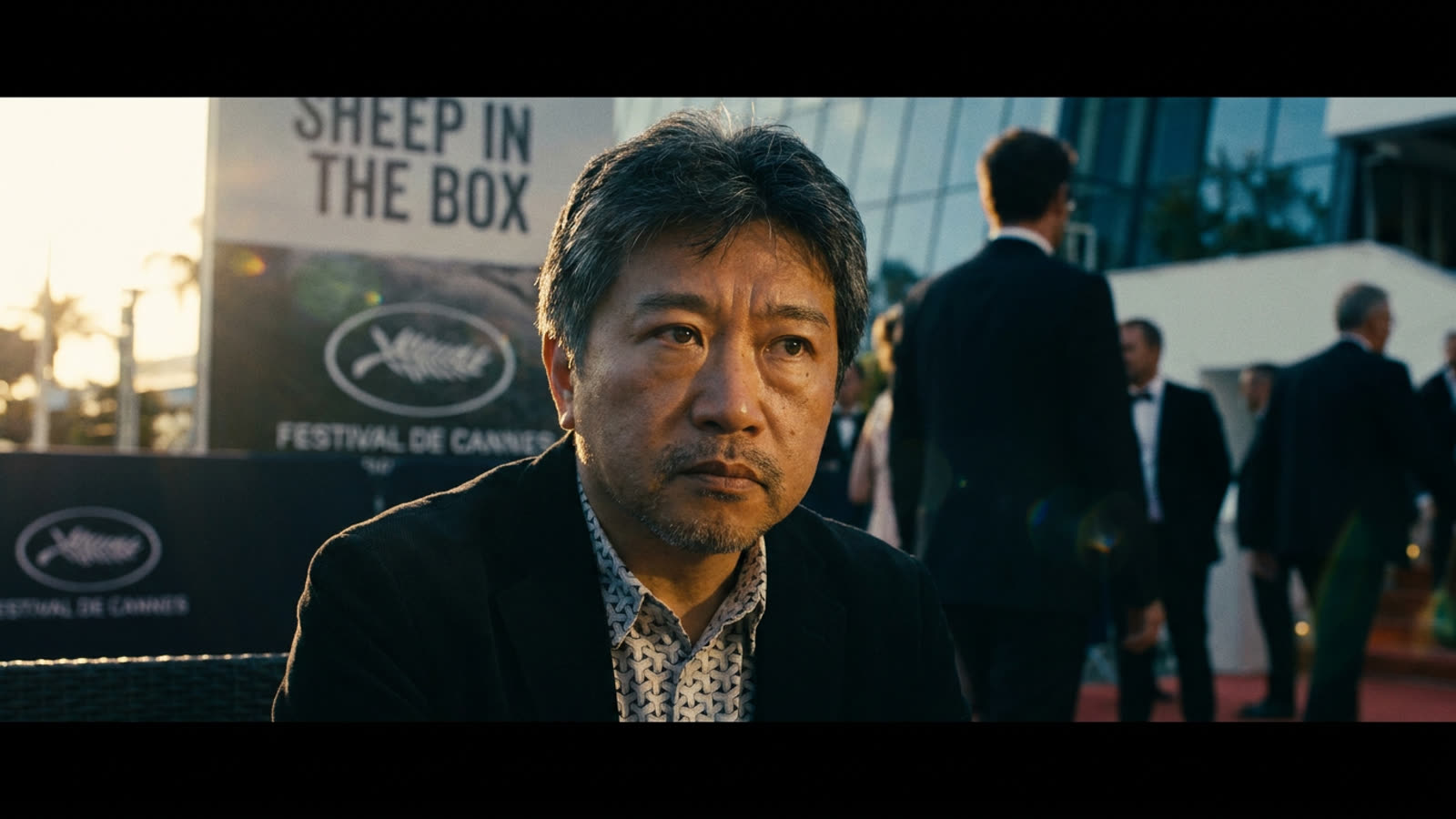
Hirokazu Kore-eda has spent three decades making films about the families we inherit and the ones we improvise—children swapped at birth, shoplifters who become kin, fathers who vanish and leave questions in their wake. Now, in competition at Cannes with Sheep in the Box, he poses a question that feels almost too tender for the current AI discourse: What happens when we can keep the dead close, not through memory, but through silicon?
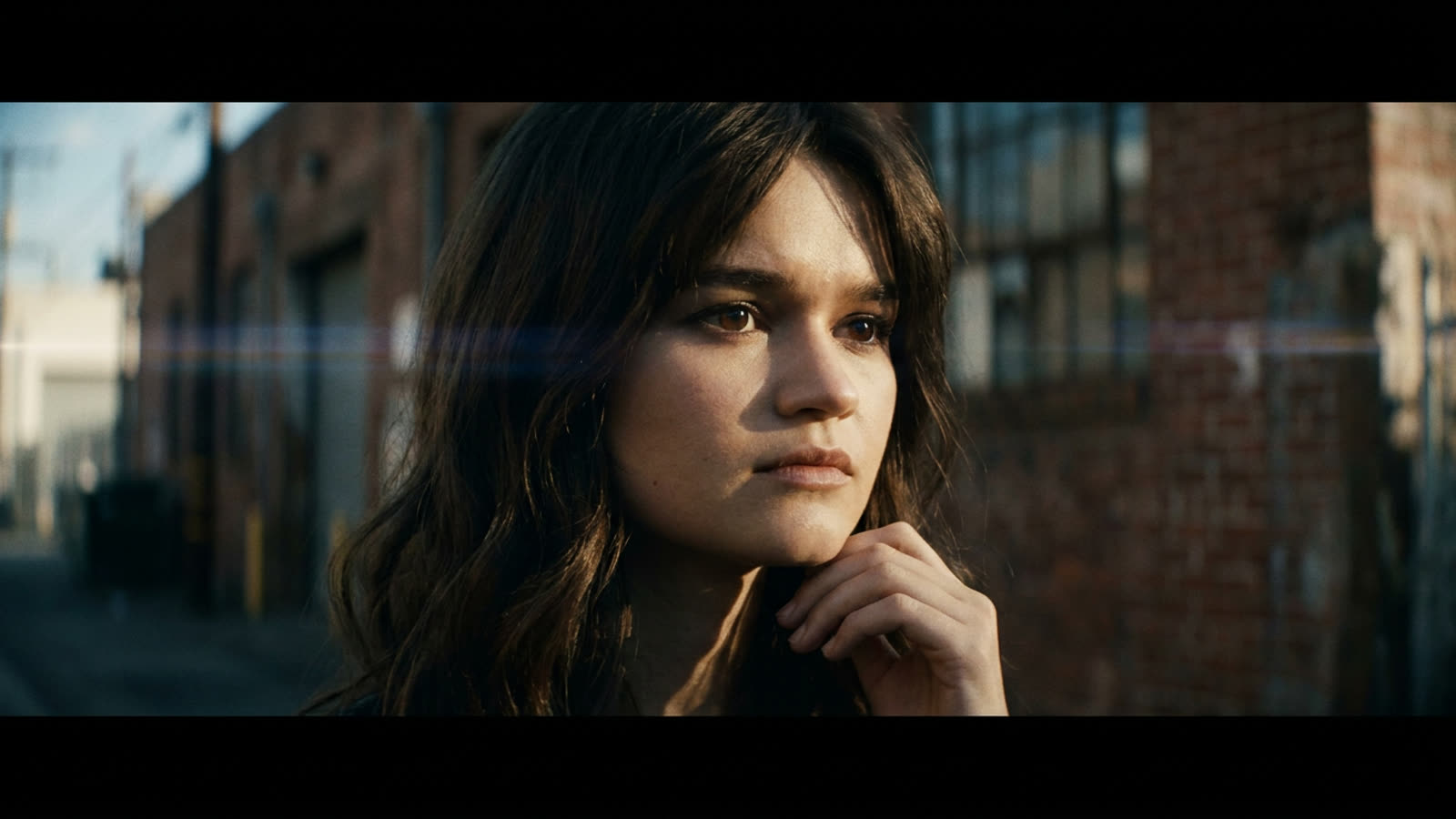
The premise is deceptively simple. Otone, played by Ayase Haruka, lives alongside a humanoid android modeled on someone she has lost. The film reportedly lingers on domestic architecture—hallways, doorframes, the geometry of cohabitation—as much as on faces. Kore-eda, who once described his work as "staring at the ordinary until it becomes strange," seems to be asking whether a house can still be a home when one of its inhabitants is a replica.
The Grief-Tech Moment
The timing is uncanny. Over the past eighteen months, startups offering AI-generated voice clones of deceased relatives have moved from fringe curiosity to mainstream controversy. In South Korea, a documentary reunited a mother with a virtual-reality rendering of her dead daughter; the footage went viral and sparked fierce debate. In the United States, companies like HereAfter AI and StoryFile have pitched themselves as preservers of legacy, while critics warn of prolonged grief and consent violations. Kore-eda, who rarely comments on technology, appears to be wading into this terrain not with polemic but with his usual tool: empathy so patient it borders on forensic.
Japan as Cannes's Center of Gravity
That Sheep in the Box arrives in a year when Japan is Cannes's country of honor only amplifies its resonance. Ryusuke Hamaguchi, whose Drive My Car won Best Screenplay in 2021, is also in competition; Koji Fukada rounds out a trio that suggests Japanese cinema is enjoying its most concentrated moment at the festival since the 1990s. But where Hamaguchi tends toward literary adaptation and Fukada toward social realism, Kore-eda has always been the sentimentalist—though "sentimentalist" undersells the rigor. His films earn their tears; they do not beg for them.
Architecture as Character
Early reports emphasize the film's attention to space. The android, we're told, occupies rooms in ways that are almost correct but never quite right—sitting a few centimeters too close to a wall, pausing a beat too long before opening a door. Kore-eda has spoken in past interviews about how Japanese domestic architecture encodes relationships: the genkan where you remove your shoes, the fusuma that slide to reveal or conceal. In Sheep in the Box, these spatial codes become tests. Can a machine learn where to stand? And if it can, does that make it a person or a very convincing haunting?
Our take
Kore-eda is not going to deliver a TED Talk about the ethics of grief bots. He is going to show a woman making tea for something that looks like the person she loved, and he is going to hold the shot long enough that you feel the weight of the kettle. That restraint is precisely what the AI conversation needs right now—less panic, more patience, and a willingness to sit with discomfort. Whether the film wins the Palme or not, it has already done something valuable: it has given the festival, and the rest of us, a frame for thinking about loss in an age when loss can be, however imperfectly, undone.