Winning a championship is supposed to be the easy part of what comes next. The Knicks, who ended a 53-year title drought last June, are discovering that the post-parade logistics can be just as treacherous as a Game 7.
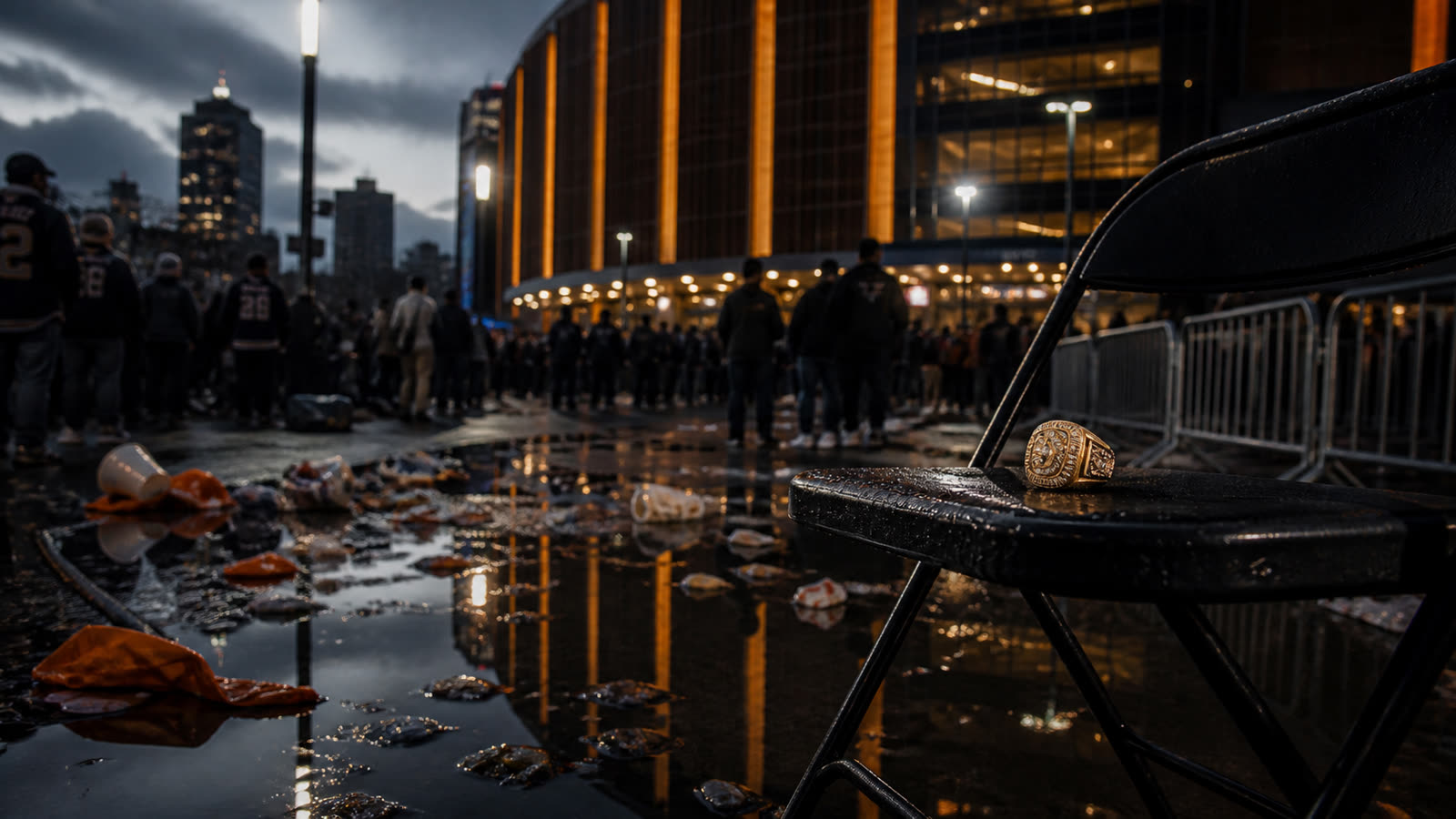
Tuesday's ring ceremony at Madison Square Garden was meant to be a coronation. Instead, it became a case study in organizational dysfunction. Assistant coaches — the men who drew up plays, managed egos, and stood shoulder-to-shoulder with head coach Tom Thibodeau through 98 wins — did not receive their championship rings alongside the players and front office. A source confirmed to ESPN that the rings were "delayed," though no explanation was offered for why assistants were singled out for this peculiar limbo.
More troubling still: a number of team employees fell victim to a phishing scam and will not receive rings at all. The details remain murky, but the implication is clear — someone exploited the chaos of championship season to target Knicks staffers, likely dangling the promise of ring-related perks as bait.
A franchise relearning how to win
The Knicks' drought stretched back to 1973. That means no one currently employed by the organization had ever navigated the peculiar bureaucracy of being champions: the ring design process, the ceremony choreography, the security protocols around $50,000 pieces of jewelry. Most NBA franchises have institutional muscle memory for this. New York had to improvise.
That context explains, if not excuses, the stumbles. Championship rings are typically ordered months in advance, with detailed headcounts and tiered designs for players, coaches, executives, and staff. The process requires coordination between the league, the jeweler, and the team's operations department. Somewhere in that chain, the Knicks dropped the ball.
The phishing angle is more ominous
Delayed rings are embarrassing. A successful phishing attack is a security breach. Whoever orchestrated the scam understood that championship-adjacent employees — scouts, video coordinators, administrative staff — would be emotionally primed to click on anything promising ring access or ceremony invitations. It is a reminder that sports organizations, despite handling millions in player salaries and sensitive medical data, often run IT departments better suited to a mid-size accounting firm.
The Knicks have not disclosed how many employees were affected or what information was compromised. The league office has not commented. The silence suggests the damage assessment is ongoing.
Our take
This is not a scandal that will define the Knicks' championship. It is, however, a revealing glimpse at an organization that spent five decades dreaming of this moment and perhaps not enough time planning for it. The assistants will eventually get their rings. The phished employees will not. And somewhere in the Garden's executive suites, someone is learning that winning the title is only the beginning of the work.