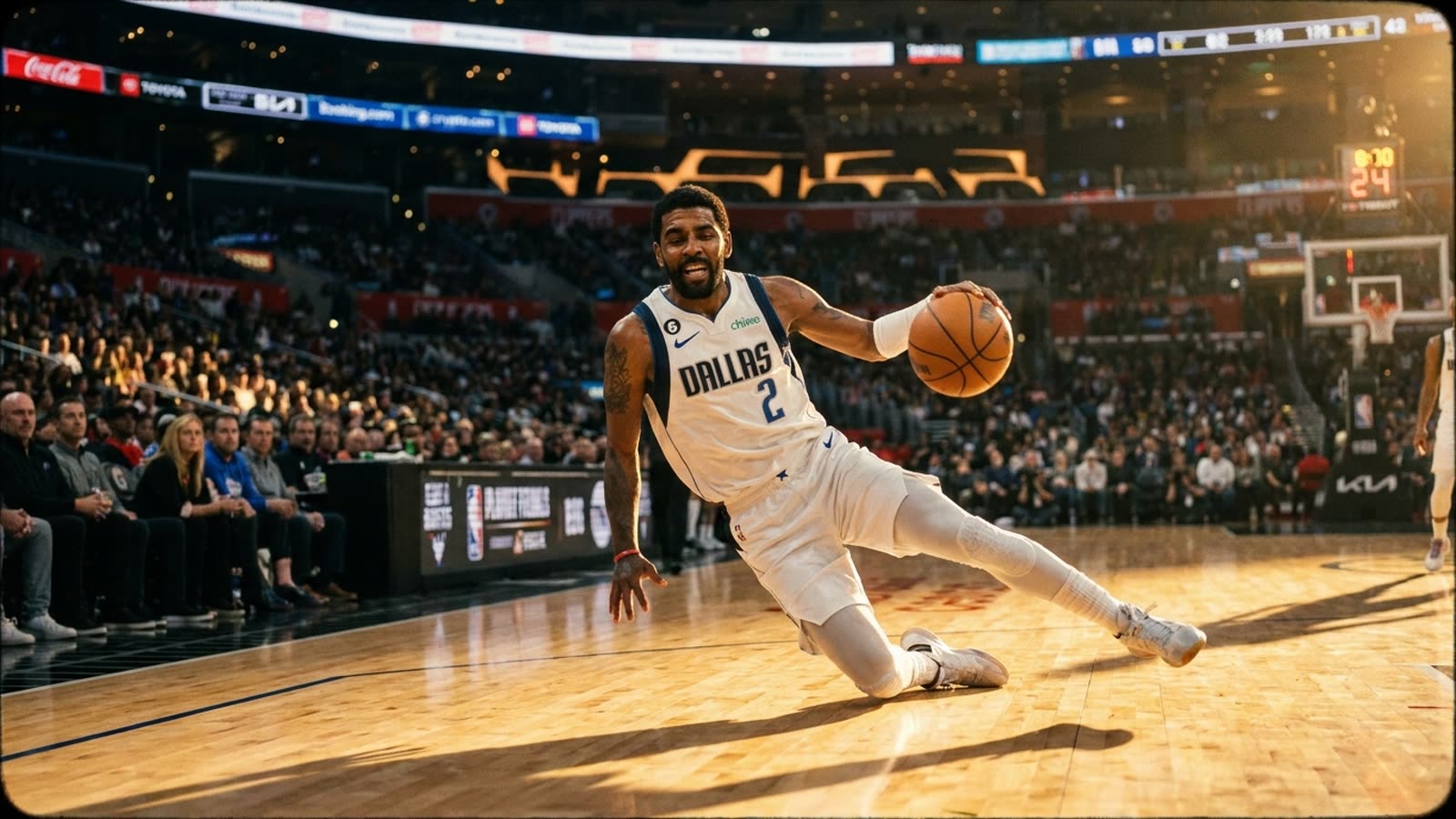
When the Lakers selected Dalton Knecht with the seventeenth pick in the 2025 draft, the SEC Player of the Year was supposed to provide the spacing and shooting Los Angeles desperately needed around LeBron James and Anthony Davis. Eighteen months later, Knecht is signing a two-way contract with the Knicks — the basketball equivalent of moving from a penthouse to a sublet with roommates.
The trajectory is jarring even by the NBA's ruthless standards. Two-way deals are typically reserved for undrafted hopefuls and G League grinders, not players who entered the league with genuine lottery pedigree and a polished offensive game honed across five college seasons. Knecht's demotion represents one of the fastest falls from first-round promise to roster afterthought in recent memory.
The Lakers' impatience problem
Los Angeles has developed a pattern of acquiring young talent and then abandoning the project before it matures. The franchise's win-now mandate — driven by the closing windows of its aging stars — leaves little runway for development. Knecht arrived as a 23-year-old rookie, older than typical lottery selections, which paradoxically worked against him: the Lakers expected immediate production rather than treating him as a long-term investment.
His shooting numbers were uneven but not disastrous. The real issue was playing time and opportunity, both scarce commodities on a team perpetually chasing playoff positioning. When minutes are rationed and mistakes are magnified, even skilled players struggle to find rhythm. The Lakers elected to move on rather than wait.
New York's quiet gamble
The Knicks, fresh off their championship run, can afford to take fliers on reclamation projects. A two-way slot costs them almost nothing, and the upside — a shooter who averaged over 21 points per game in his final college season — remains tantalizing. New York's developmental infrastructure has improved markedly, and Knecht will get G League reps without the pressure of contributing to a contender's rotation immediately.
The fit makes sense on paper. Tom Thibodeau's system rewards players who can shoot without excessive dribbling, defend adequately, and accept variable minutes without complaint. Whether Knecht can resurrect his career in this environment depends largely on factors the Lakers never gave him time to demonstrate: consistency across a full season and defensive improvement against NBA-caliber athletes.
Our take
Knecht's story is less about individual failure than systemic dysfunction. The modern NBA demands that young players contribute instantly or face exile, yet simultaneously complains about the lack of homegrown talent on championship rosters. The Lakers wanted a finished product at pick seventeen; they got a player who needed seasoning and discarded him when the seasoning took too long. New York inherits the upside at a fraction of the cost. Sometimes patience is its own form of front-office genius.