The swimwear model used to need a magazine cover. Now she needs an algorithm.
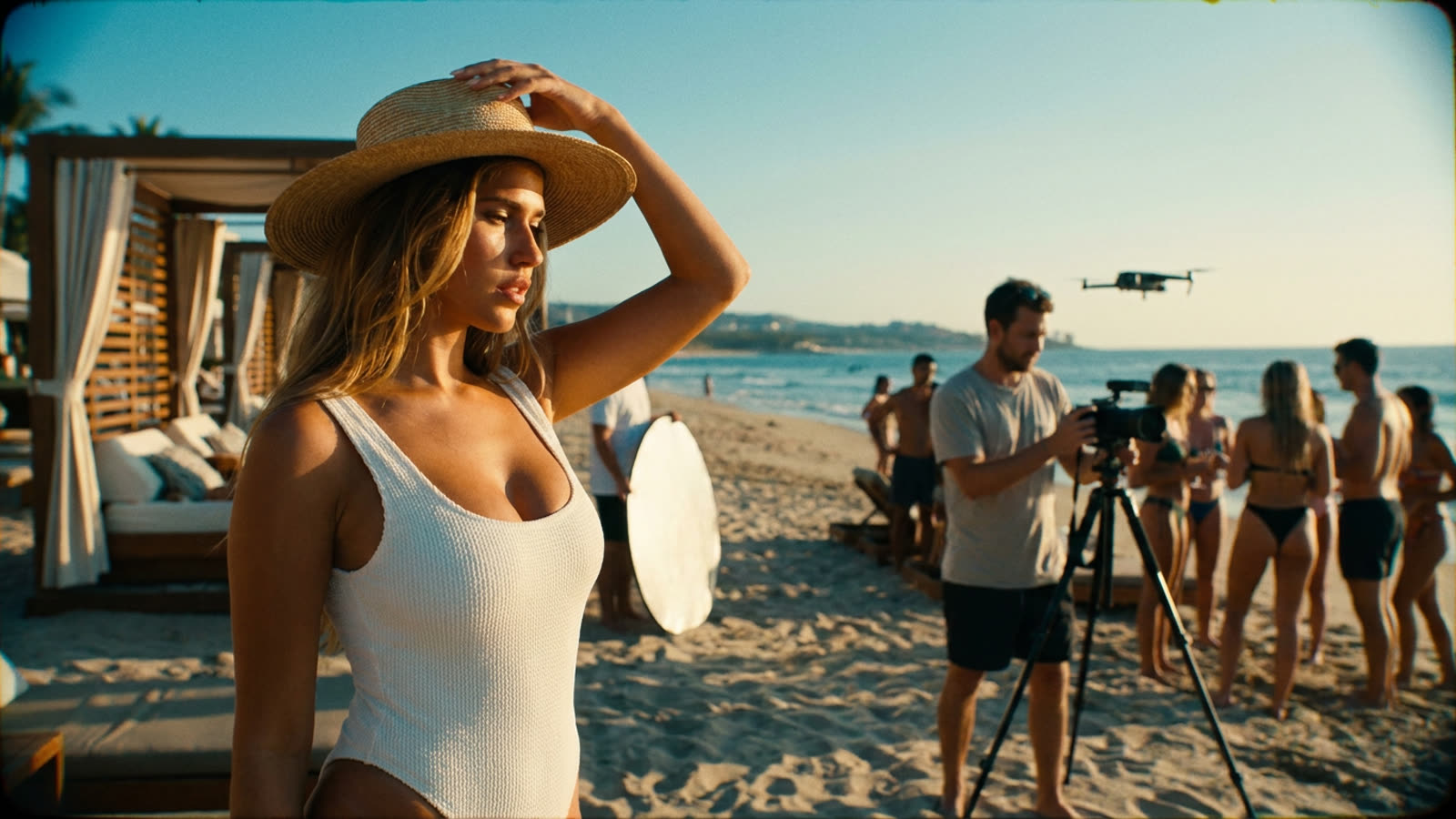
Kara Del Toro, the Texas-born model who has spent the better part of a decade building a following that rivals legacy publications' readerships, represents a fundamental shift in how the modeling industry creates and monetizes beauty. Her latest social media content — the kind of casually luxurious shower and poolside imagery that once required a Condé Nast budget — was shot, edited, and distributed entirely outside traditional editorial channels. The gatekeepers didn't approve it. They didn't need to.
The arithmetic of attention
Del Toro's career trajectory would have been unrecognizable to the supermodels of the 1990s. Rather than waiting for a Sports Illustrated Swimsuit call that might never come, she cultivated a direct audience through Instagram and TikTok, turning followers into a form of currency that brands find increasingly irresistible. The traditional model — discovered, developed, deployed by agencies — has given way to something more entrepreneurial and considerably more precarious.
The numbers tell the story. A model with several million engaged followers can command fees for a single sponsored post that approach what a catalog shoot paid for a full day's work a generation ago. The tradeoff is obvious: no union protections, no guaranteed bookings, no pension. Just the relentless demand to produce content that the algorithm will favor this week.
What the magazines lost
The legacy swimwear establishment hasn't disappeared, but its monopoly on aspiration certainly has. Sports Illustrated still publishes its annual swimsuit issue, but the cultural conversation has fragmented. When a model can reach more people through her own feed than through a magazine's declining circulation, the power dynamic inverts.
This doesn't mean editorial prestige is worthless — a Vogue cover still opens doors that Instagram cannot — but the doors have multiplied. Del Toro and her cohort have proven that a sustainable career can be built without ever gracing a newsstand. The industry's traditional hierarchy, which concentrated power in the hands of a few editors and agency heads, has been disrupted by the same forces that upended music, journalism, and retail.
Our take
The swimwear influencer economy is neither liberation nor exploitation — it's both, simultaneously. Models like Del Toro have gained unprecedented control over their image and income streams while also becoming their own unpaid marketing departments, content studios, and customer service teams. The old system was gatekept and often exploitative; the new one is democratic and often exhausting. What's undeniable is that the bikini shot, once the exclusive province of glossy editorial, now belongs to whoever can make the algorithm pay attention. The magazines created the template. The models kept the profits.