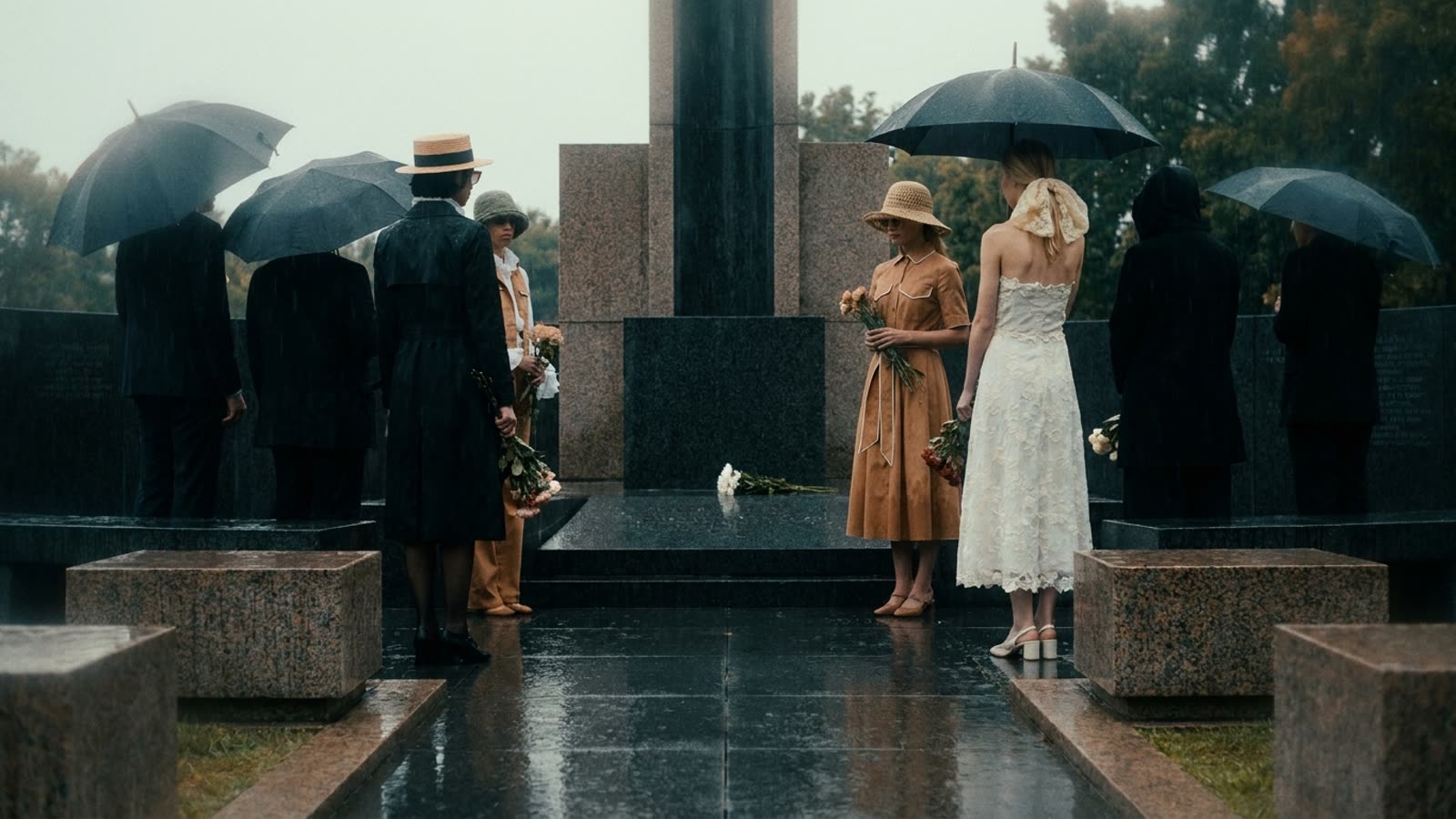
The problem isn't that people dress badly now. It's that they dress uncertainly. Walk into any upscale restaurant on a Saturday evening and you'll find a taxonomy of anxiety: one table in full evening regalia, another in pristine sneakers and designer hoodies, a third split between someone who clearly agonized over their outfit and their partner in whatever was clean. Nobody is wrong, exactly. But nobody seems to know the rules anymore, which may be worse.
This isn't a lament for lost formality. The old codes were often exclusionary, expensive to maintain, and designed to make outsiders feel small. Good riddance to dress codes that existed primarily to humiliate. But something valuable got discarded along with the gatekeeping: the shared understanding that different occasions deserved different versions of ourselves.
The Collapse of Context
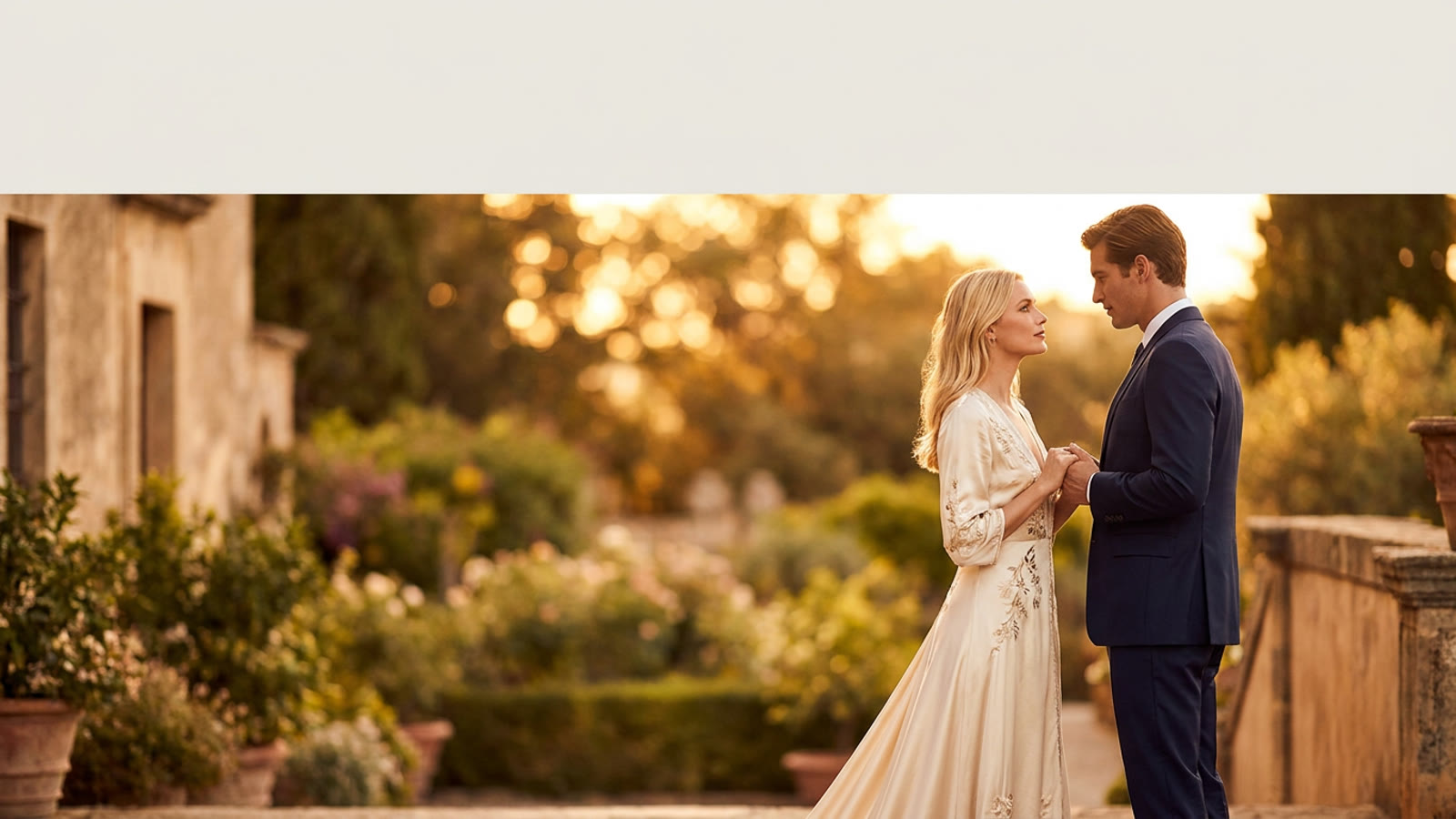
Occasion dressing operated on a simple premise—that weddings, funerals, job interviews, first dates, and Sunday dinners each called for a particular register of self-presentation. The clothes weren't arbitrary; they were a form of respect, both for the event and for the other people attending it. When everyone understood the assignment, getting dressed became a kind of social choreography rather than a solo performance.
The unraveling happened gradually, then all at once. Casual Fridays bled into casual every-days. Silicon Valley billionaires made hoodies a power move. Luxury brands discovered they could charge more for sweatpants if they called them "elevated loungewear." And then the pandemic delivered the final blow, proving that civilization could continue with everyone in stretchy waistbands. When we emerged, the muscle memory was gone.
The Paradox of Infinite Choice
In theory, the death of dress codes should feel liberating. Wear what you want! Express yourself! But freedom without framework often produces paralysis. The old rules, for all their stuffiness, provided scaffolding. You didn't have to think about what to wear to a funeral because everyone already knew. Now every occasion requires a calculation: How formal will others be? Will I look overdressed? Underdressed? Like I'm trying too hard? Not trying enough?
This is exhausting, and it shows. The rise of "quiet luxury" and "stealth wealth" aesthetics reflects a desire to opt out of the game entirely—to dress in a way that signals nothing except the ability to afford things that signal nothing. It's occasion dressing for people who've given up on occasions.
What We Actually Lost
The deeper casualty isn't sartorial but social. Occasion dressing was never really about clothes; it was about acknowledging that some moments matter more than others and deserve a different version of our attention. When we dress up for a wedding, we're not performing for ourselves—we're honoring the couple, the ritual, the gathered community. When we dress down for everything, we're implicitly saying that nothing rises above the baseline.
This flattening has consequences beyond fashion. If every dinner is casual, no dinner is special. If every meeting is athleisure, no meeting carries weight. The clothes were always a proxy for something else: the willingness to be slightly uncomfortable in service of something larger than personal convenience.
Our take
We're not arguing for a return to rigid dress codes or the social cruelties they enabled. But the current confusion isn't freedom—it's just chaos with better marketing. What's needed isn't new rules but a recovery of the underlying principle: that how we present ourselves is a form of communication, and that some occasions deserve more deliberate speech than others. The question "What should I wear?" used to have answers. Now it only has anxieties. That's not progress; it's just noise.