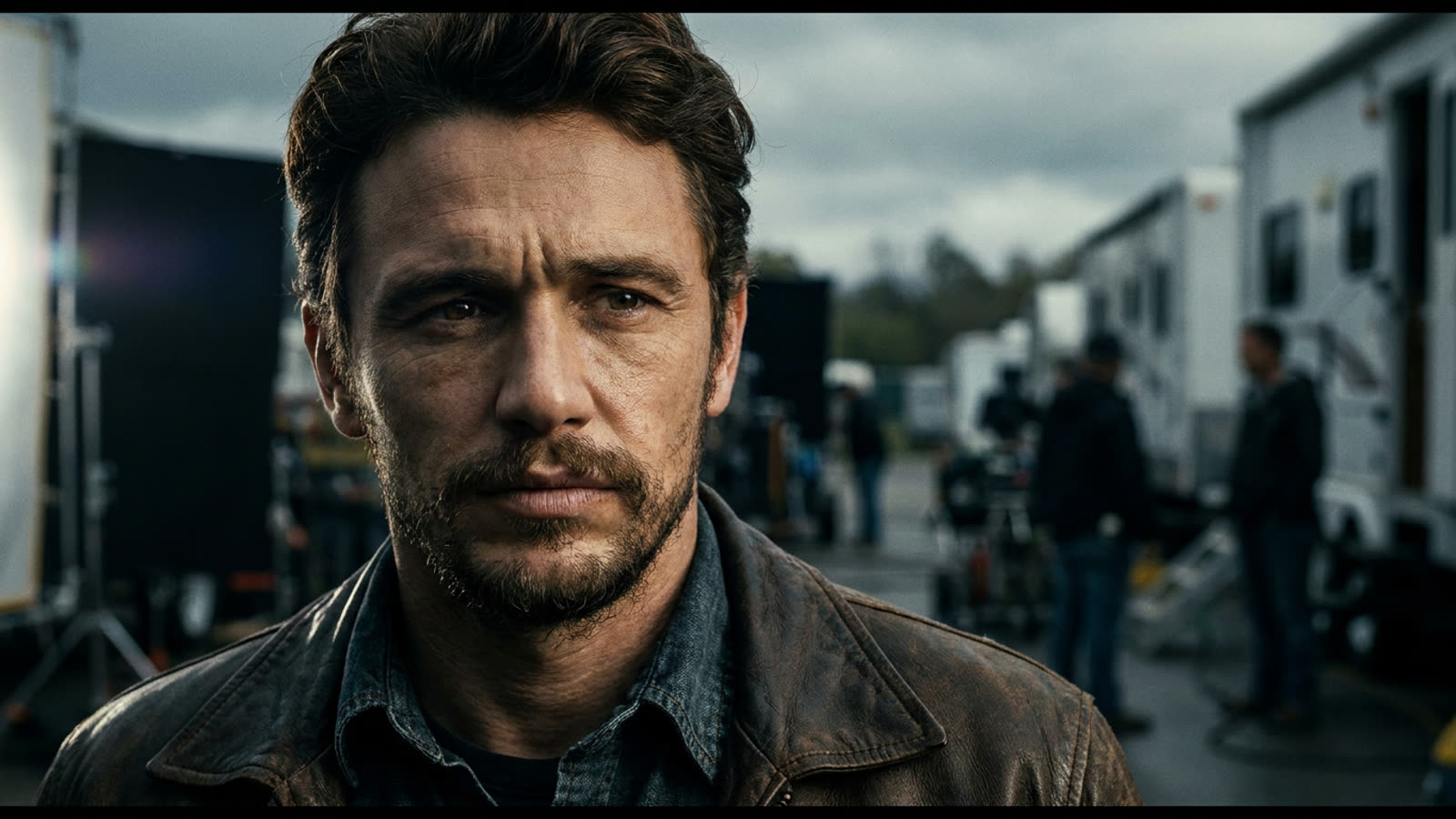
Three years after sexual misconduct allegations effectively ended his mainstream career, James Franco has secured a role in a major studio franchise—a small part in Lionsgate's 'John Rambo' prequel, currently shooting with Noah Centineo in the title role and David Harbour in a supporting turn. The casting, confirmed while Franco attended the Cannes Film Festival this week, marks his most significant Hollywood re-entry since the 2018 accusations that derailed his awards campaign for 'The Disaster Artist' and prompted his retreat from public life.
The role is described as a villain, which feels almost too on-the-nose for a comeback narrative. Franco's presence in Cannes itself—spotted at the Chopard event alongside Demi Moore and other industry fixtures—suggests the rehabilitation tour is already underway, blessed by at least some corner of the establishment.
The Mechanics of a Hollywood Return
Franco's path back follows a well-worn template. First came the quiet period: no major interviews, no social media provocations, just occasional indie projects far from scrutiny. Then the incremental re-emergence, testing whether the cultural temperature has shifted. Cannes, with its European remove from American media cycles and its traditional appetite for provocateurs, offers ideal cover.
Lionsgate's calculus is equally legible. Franco brings name recognition without demanding a leading-man salary, and his casting generates exactly the kind of discourse that penetrates beyond trade publications. The studio can claim he's playing a villain—not a hero, not someone audiences are asked to root for—while still benefiting from whatever curiosity his presence generates.
The Centineo Factor
More interesting than Franco's return is what his casting reveals about Noah Centineo's career trajectory. The former Netflix heartthrob taking on Rambo already represented a gamble on reinvention; surrounding him with Franco suggests the production is less interested in playing it safe than in generating friction. Whether Centineo's fanbase—built on romantic comedies and 'To All the Boys I've Loved Before'—will follow him into this territory remains genuinely uncertain.
David Harbour's involvement lends the project a certain prestige-adjacent credibility, the kind of casting that signals a film wants to be taken seriously even as it trades on nostalgia for Sylvester Stallone's Vietnam veteran.
Our Take
Hollywood has never required genuine accountability for re-entry, only the passage of sufficient time and the right project willing to take the reputational hit. Franco's 'John Rambo' role is small enough to provide plausible deniability and large enough to matter. The industry will watch the reception carefully—not because it cares about the underlying questions, but because it needs to calibrate how much forgetting audiences are willing to do. The answer, historically, is quite a lot.