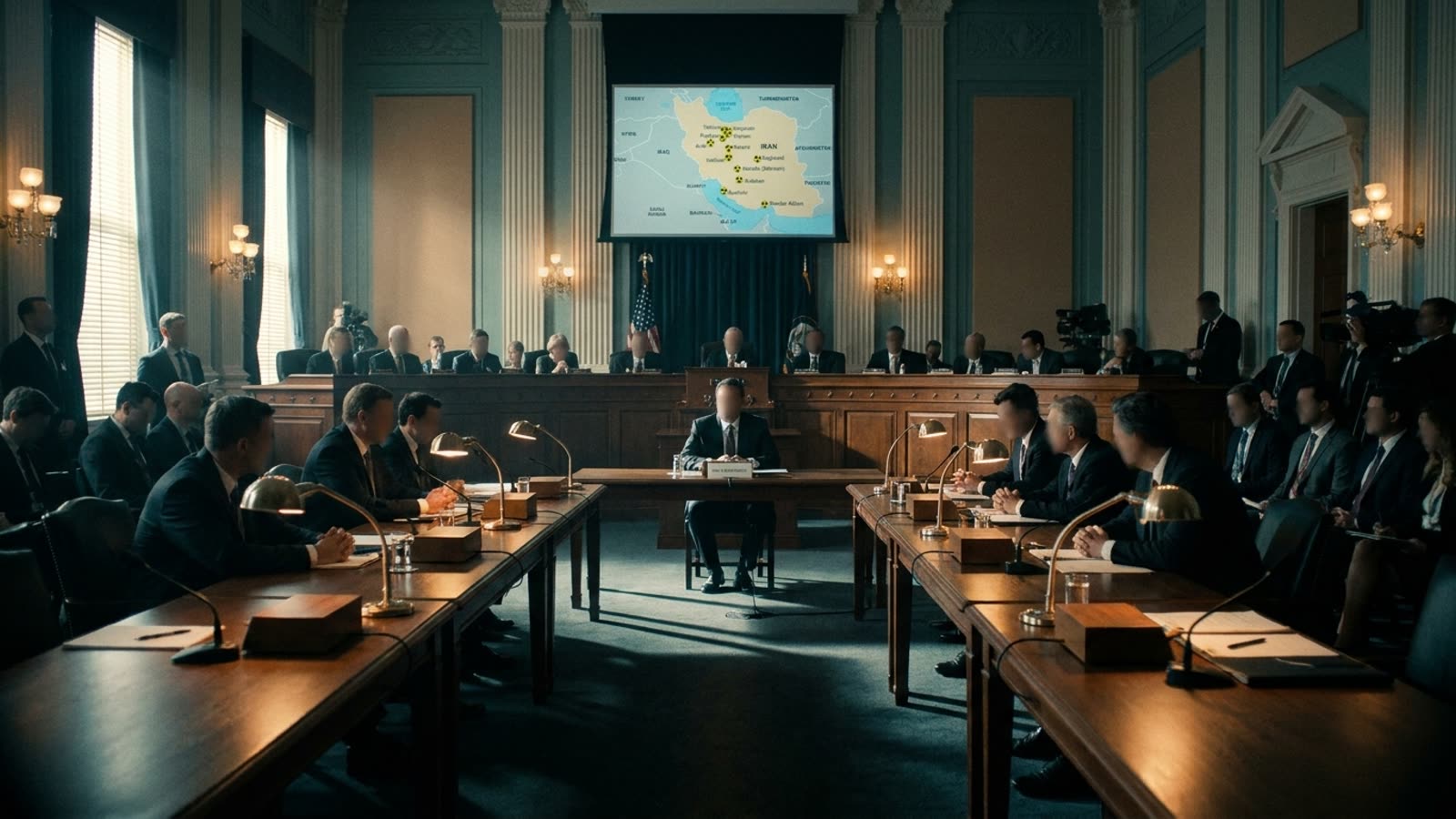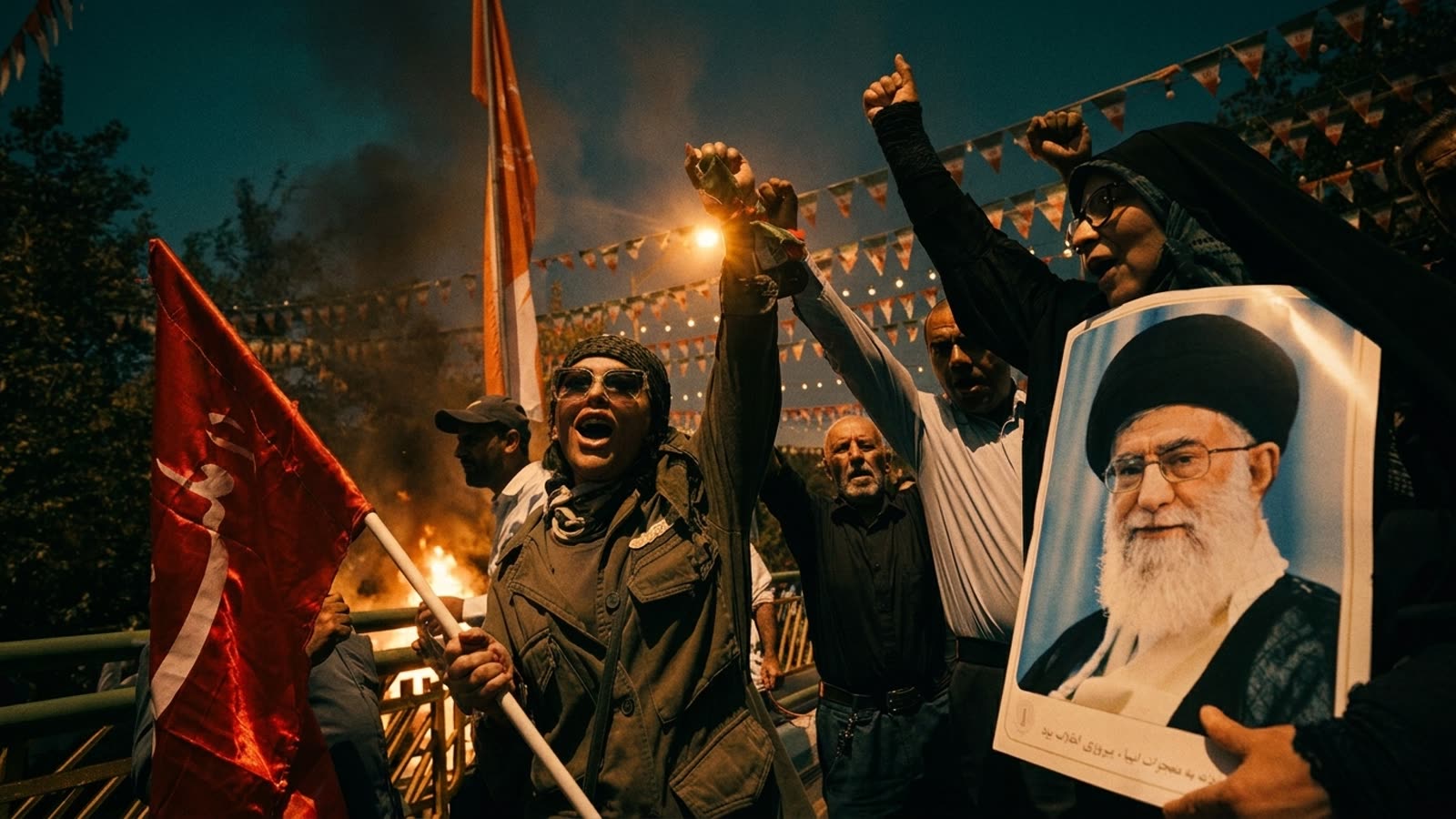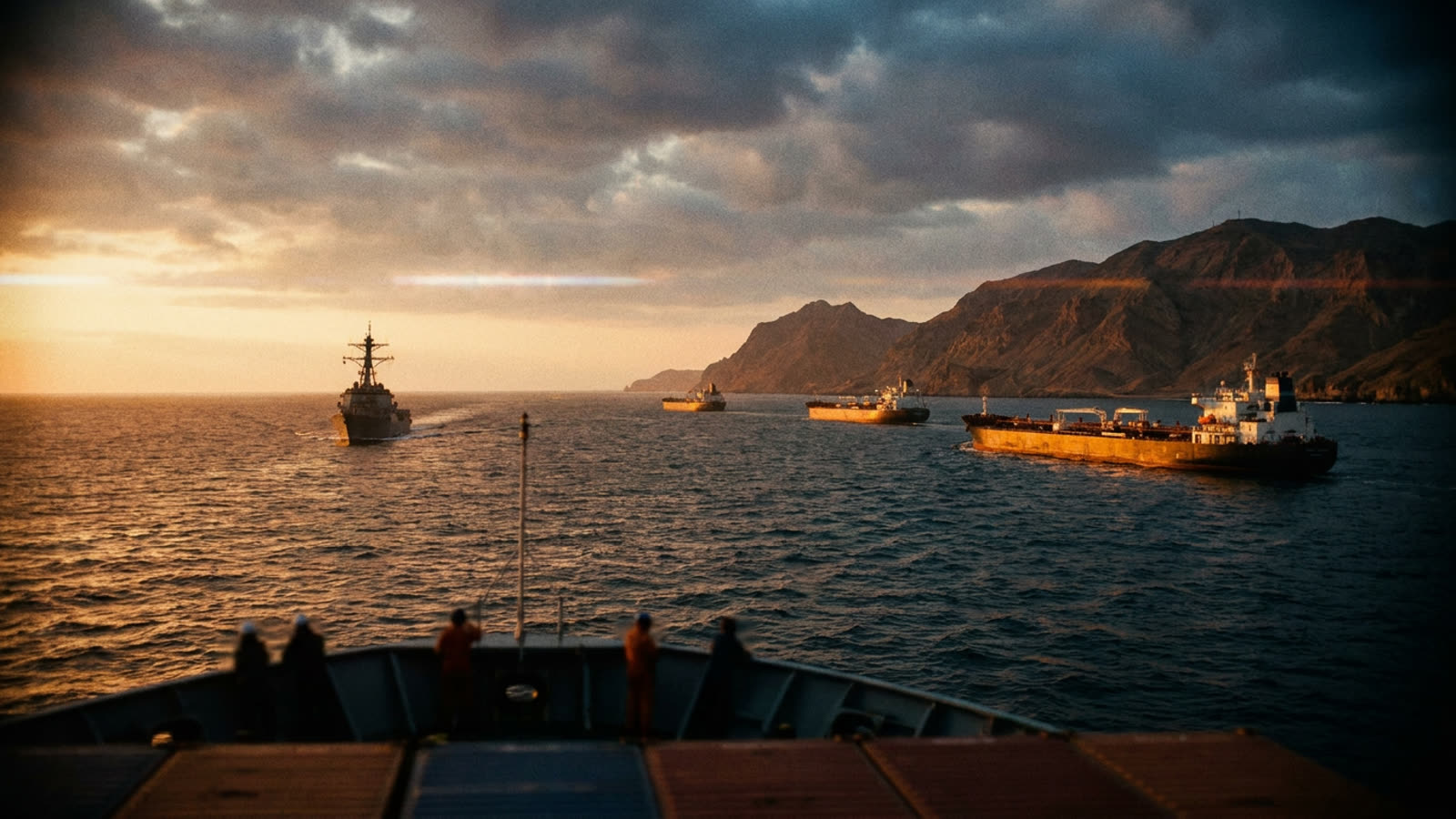
The Iran war, which began with American strikes in February and escalated into a full naval blockade by March, appears to be entering its final chapter—not with a bang but with a memo. Iranian state media reported Tuesday that a draft document circulating within the Trump administration outlines the end of the US blockade and the reopening of the Strait of Hormuz, the chokepoint through which roughly a fifth of the world's oil passes daily. The White House has not confirmed the memo's existence, but the timing—hours before a scheduled Cabinet meeting—suggests the administration is preparing to frame the conflict's conclusion on its own terms.
The blockade's brief, expensive life
The Strait of Hormuz blockade was always a blunt instrument. Designed to strangle Iran's oil exports and force Tehran to the negotiating table, it succeeded in cratering Iranian revenue but also sent global energy prices lurching upward and strained relationships with Gulf allies who depend on the strait for their own exports. The Pentagon, meanwhile, has been quietly bleeding money. Earlier reporting indicated that Iran war spending has already begun draining US military budgets, with supplemental appropriations requests meeting resistance from deficit hawks in both parties. A swift exit allows the administration to claim mission accomplished before the fiscal damage becomes politically untenable.
What Tehran gets
Iranian media's eagerness to publicize the draft memo is itself revealing. Tehran has spent months insisting it would never negotiate under duress while simultaneously signaling through back channels that it wanted off-ramps. The reopening of the strait gives the regime a tangible win to present domestically: the Americans are leaving, and Iranian oil can flow again. Whether any durable agreement accompanies the withdrawal—on nuclear enrichment, regional proxies, or anything else—remains unclear. The memo, as described, focuses on logistics, not diplomacy. That may be the point. Both sides appear content to declare victory and defer the harder questions.
The domestic calculus
For Trump, ending the Iran conflict before the summer recess offers obvious advantages. The war has never been popular with the isolationist wing of his coalition, and the budget strain has given fiscal conservatives ammunition. A quick, declarative end—blockade lifted, troops repositioned, mission complete—lets the administration pivot to other priorities without the drip-drip of casualty reports or appropriations fights. The risk is that Iran, unbowed and unbound, resumes the behaviors that prompted the confrontation in the first place. But that is a problem for later, and later is someone else's news cycle.
Our take
This is less a peace than a pause. The underlying tensions between Washington and Tehran—nuclear ambitions, proxy networks, regional influence—remain unresolved. What the draft memo represents is an administration that has decided the costs of continuing outweigh the benefits of finishing, a calculation that may prove correct in the short term and disastrous in the long. Wars that end without settlement have a way of returning. For now, though, the Strait of Hormuz will reopen, oil will flow, and both capitals will claim they won. The rest of us will wait to see who was right.