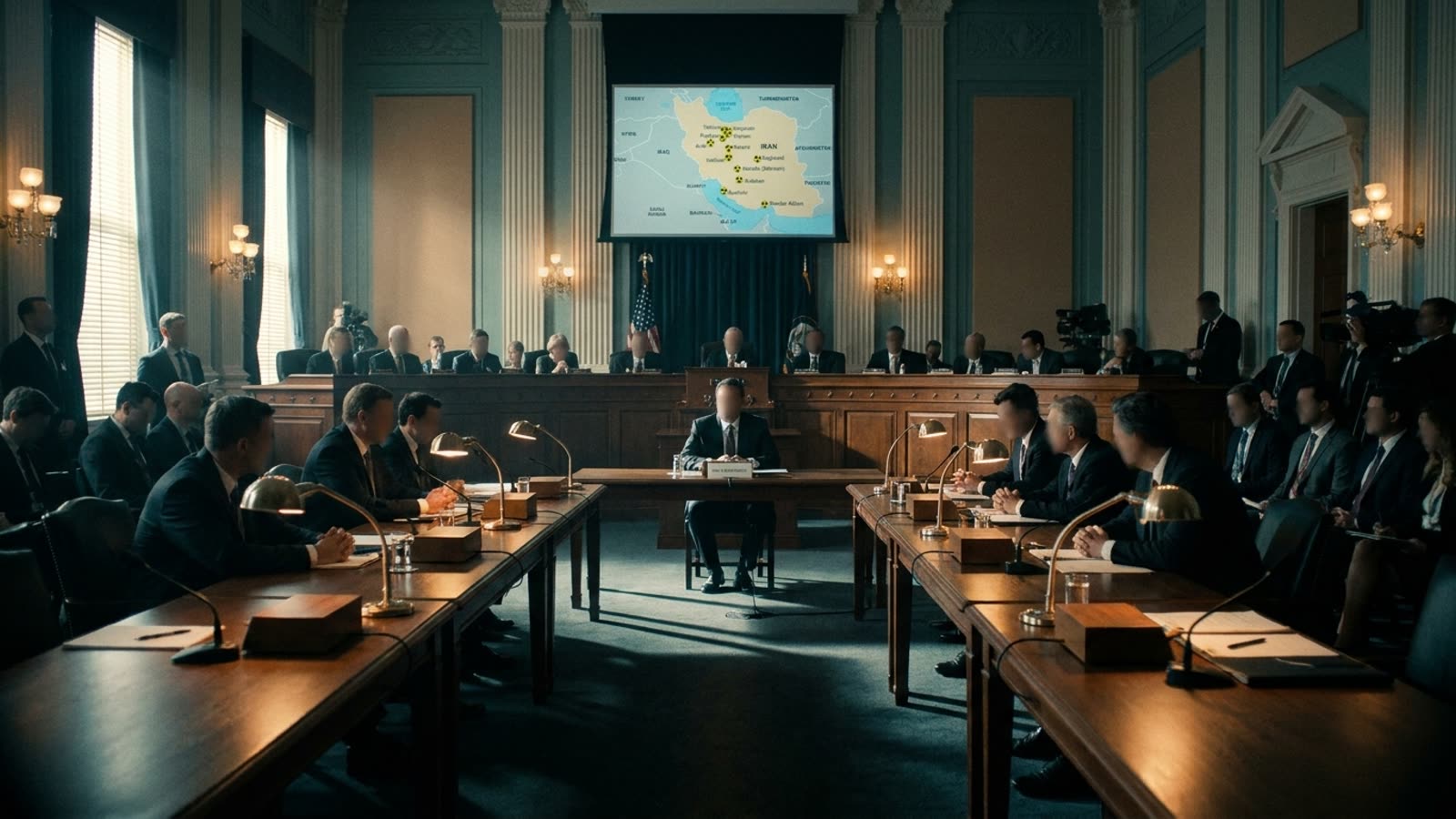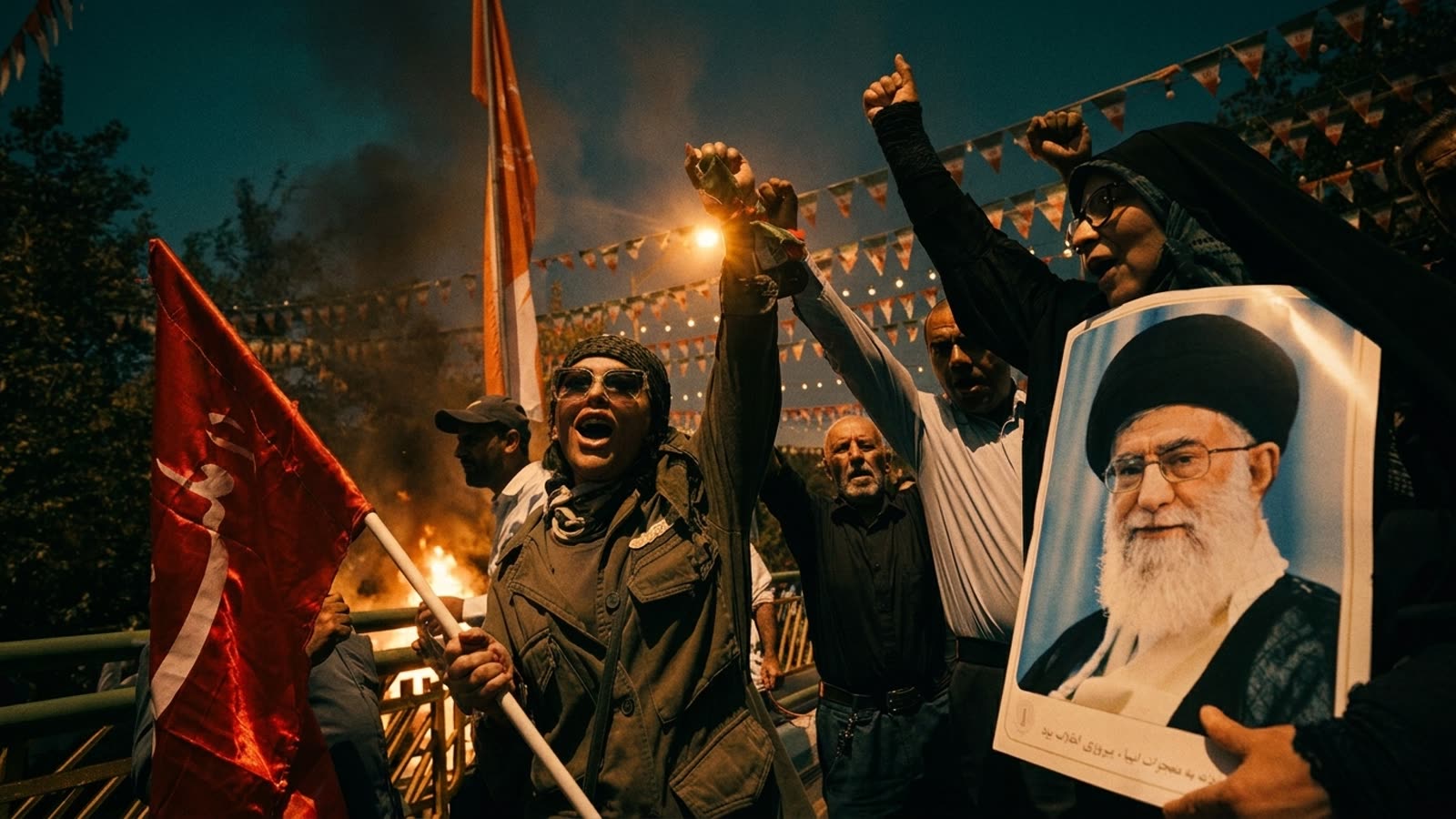
The Cabinet meeting scheduled for today arrives at a moment when the distance between Donald Trump's rhetoric and his reality has never been wider. The president who built his political brand on ending forever wars now presides over an active military conflict with Iran—one that Tehran has promised to answer with force.
This is not the scenario anyone in the White House planned for. The administration's Iran policy was premised on the idea that maximum pressure would yield maximum compliance, that the regime in Tehran would buckle rather than escalate. That theory is now being stress-tested in real time, and the early returns are not encouraging.
The retaliation calculus
Iran's threat to respond to American strikes is neither bluster nor surprise. The Islamic Republic has spent four decades developing asymmetric capabilities precisely for moments like this—proxy networks across Iraq, Syria, Lebanon, and Yemen; ballistic missile programs hardened against preemptive strikes; and a domestic political system that rewards defiance of American pressure.
The question is not whether Iran will respond but how, and whether Washington has gamed out the second and third moves on the board. A proportional response—strikes on American bases in the region, attacks on Gulf shipping, or activation of Hezbollah—would demand an American counter-response. An asymmetric one—cyberattacks on critical infrastructure, terrorist operations against soft targets—would be harder to attribute and harder to answer.
Neither path leads anywhere good.
The exit problem
Trump's political instincts have always favored dramatic gestures over sustained campaigns. He wants the photo opportunity of a peace deal, not the grinding work of occupation or containment. But wars begun with airstrikes do not end with press conferences. They end with negotiations conducted from positions of strength—or with exhaustion, withdrawal, and the quiet admission of failure.
The administration has no obvious diplomatic channel to Tehran. The 2018 withdrawal from the nuclear deal and subsequent sanctions regime burned the bridges that might have facilitated backchannel talks. The regional allies who might broker a ceasefire—Saudi Arabia, the UAE, even Qatar—have their own interests that do not necessarily align with a quick American exit.
What remains is the hope that Iran will simply absorb the punishment and stand down. History suggests otherwise.
Our take
There is a particular irony in watching the president who mocked his predecessors for Middle Eastern entanglements discover the gravitational pull of the region. Trump may genuinely want out of this conflict. But wanting is not the same as having, and the machinery of escalation, once set in motion, does not respond to tweets or rally speeches. The Cabinet meeting today will not produce an exit strategy because no exit strategy exists. What it may produce is the dawning recognition that some problems cannot be solved by declaring victory and going home.