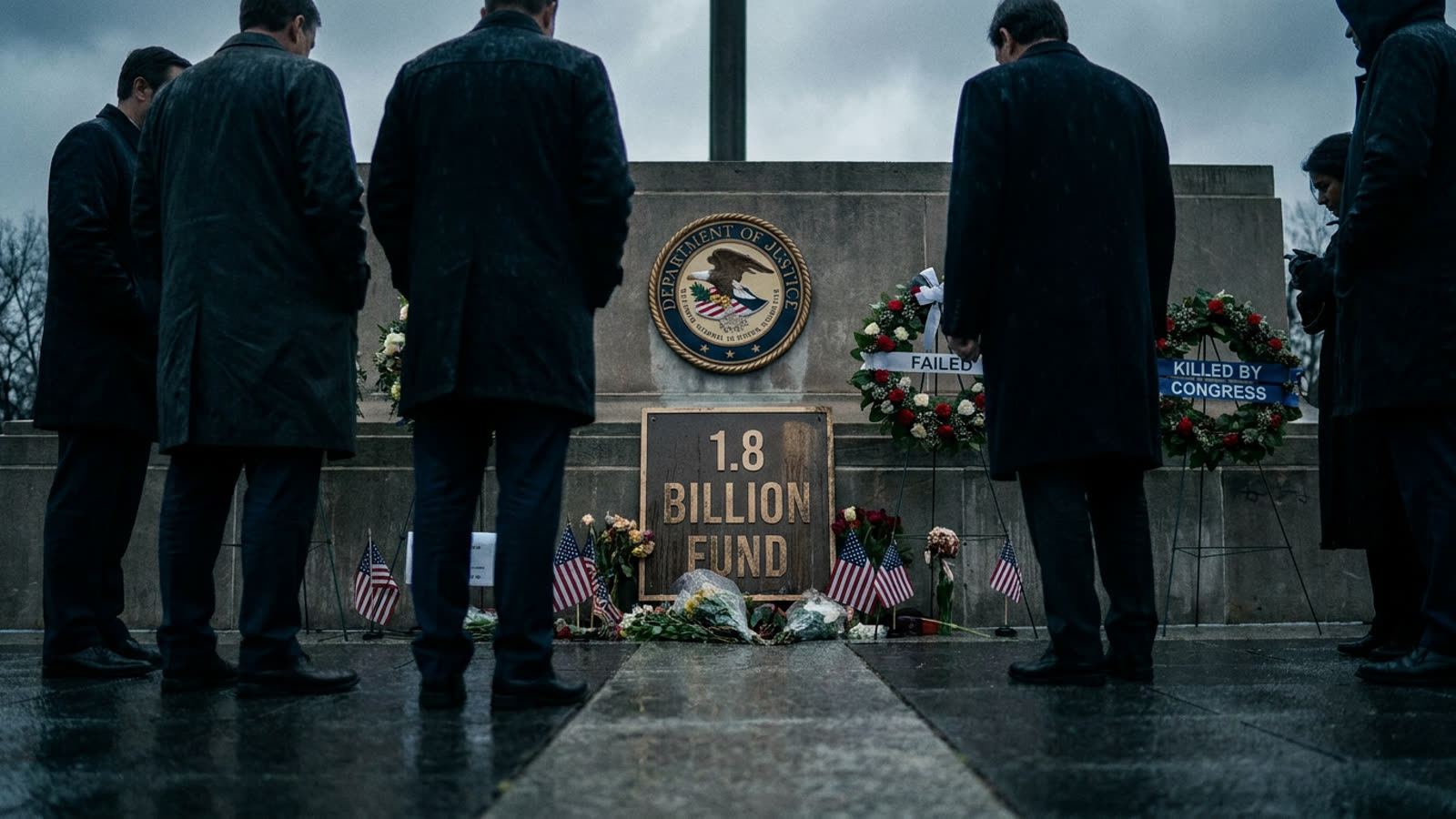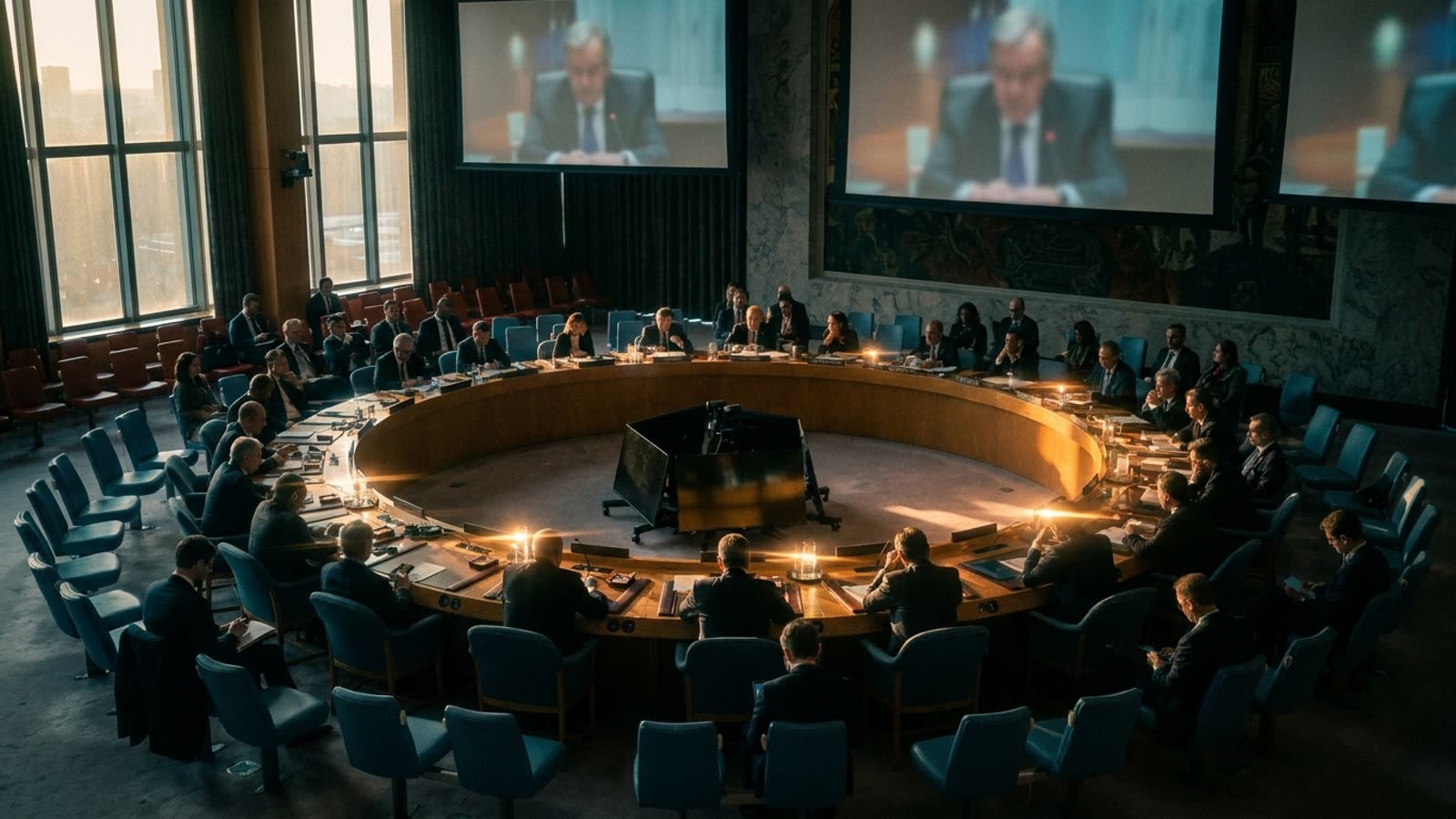
The most powerful person at any negotiating table is often the one who appears least interested in being there. Donald Trump, now deep into his second term, has perfected this particular art form—or perhaps he's simply telling the truth when he describes the intricate dance of Iran nuclear talks as "very boring."
Either interpretation carries significant consequences for American foreign policy in the Middle East, where the administration is attempting to thread multiple needles simultaneously: containing Iran's nuclear ambitions, managing the fragile Lebanon situation, and maintaining relationships with Gulf allies who have their own designs on regional influence.
The performance of indifference
Trump's public dismissal of the Iran negotiations as tedious represents a departure from the rhetorical intensity that typically accompanies discussions of Tehran. Previous administrations—including his own first term—treated Iran policy as existentially urgent, worthy of maximum attention and gravitas. The current posture suggests either supreme confidence in his negotiating leverage or a genuine prioritization shift toward domestic concerns.
The timing is notable. As the Lebanon conflict continues to complicate regional dynamics, Trump's apparent boredom with Iran talks signals to Tehran that Washington may not be as desperate for a deal as the Iranians might hope. In negotiation theory, the party that can credibly walk away holds the advantage. Whether this is calculated strategy or authentic disinterest, the effect on Iranian negotiators is similar.
Regional complications mount
The Lebanon situation has introduced friction into Trump's broader Middle East ambitions. Sources indicate the president has expressed frustration in communications with Israeli leadership over how the conflict threatens to derail progress with Tehran. This triangulation—managing Israeli security concerns, Iranian nuclear ambitions, and Lebanese instability—requires exactly the kind of patient, detailed diplomatic work that Trump has now publicly characterized as uninteresting.
Gulf states are watching closely. Saudi Arabia and the UAE have their own complex relationships with both Iran and Israel, and American engagement levels directly affect their strategic calculations. A president who finds the work boring may be a president who delegates more authority to regional partners—or one who disengages at critical moments.
The domestic political logic
There's a simpler explanation for Trump's rhetoric: his base doesn't particularly care about Iranian nuclear enrichment percentages or verification protocols. The "boring" framing allows him to maintain involvement in talks while signaling to supporters that he's not captivated by the foreign policy establishment's obsessions. It's a way of being at the table without being of the table.
Our take
Whether Trump genuinely finds Iran negotiations tedious or is executing a sophisticated psychological gambit matters less than the uncertainty his statements create. Ambiguity can be a diplomatic asset—keeping adversaries guessing about American intentions and commitment levels. But it can also be a liability when allies need reassurance and partners need predictability. The president has built a career on keeping everyone slightly off-balance. In nuclear diplomacy, that approach carries higher stakes than a real estate negotiation in Manhattan. Boredom, real or performed, is a luxury that the consequences of failure may not permit.