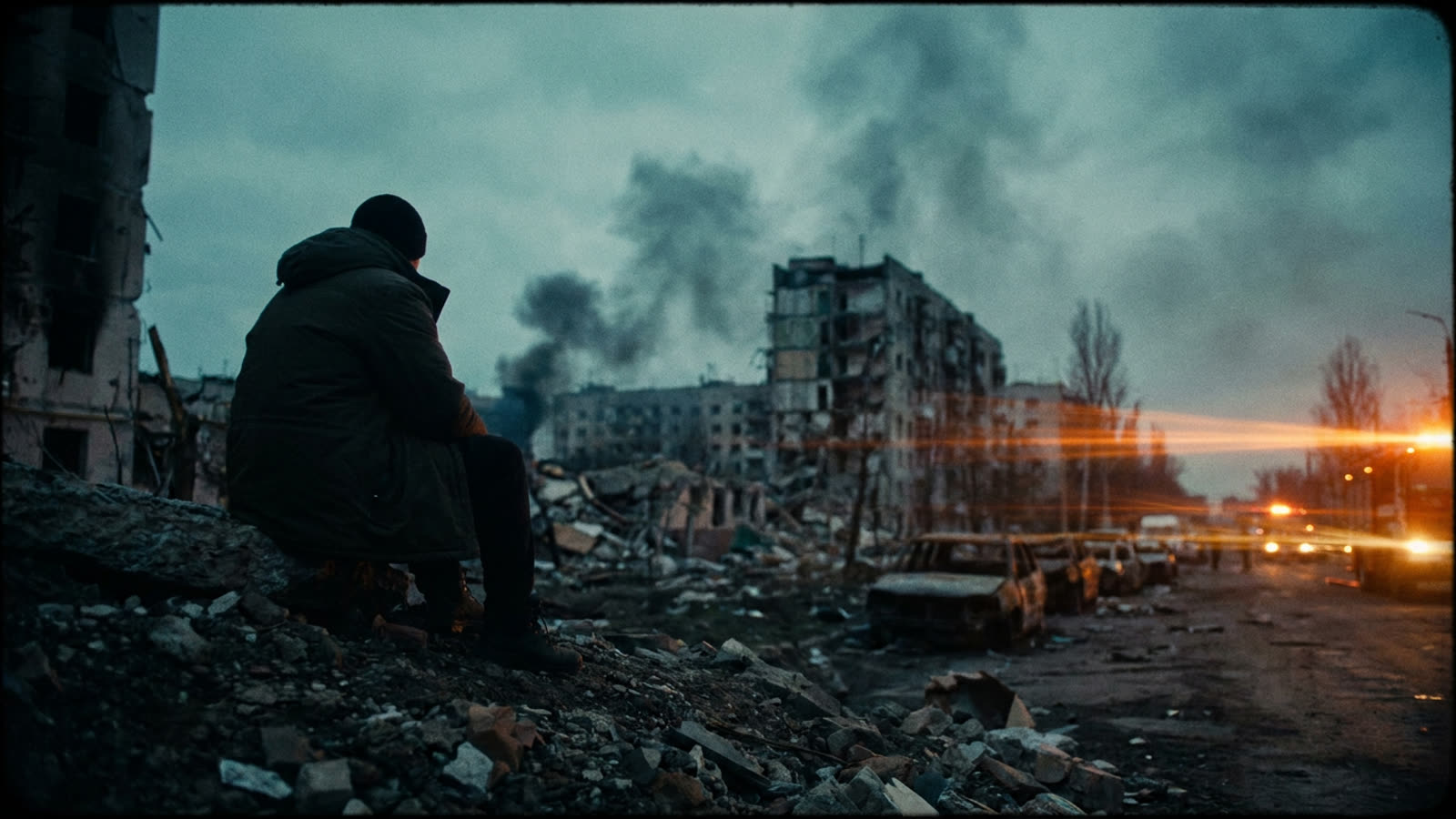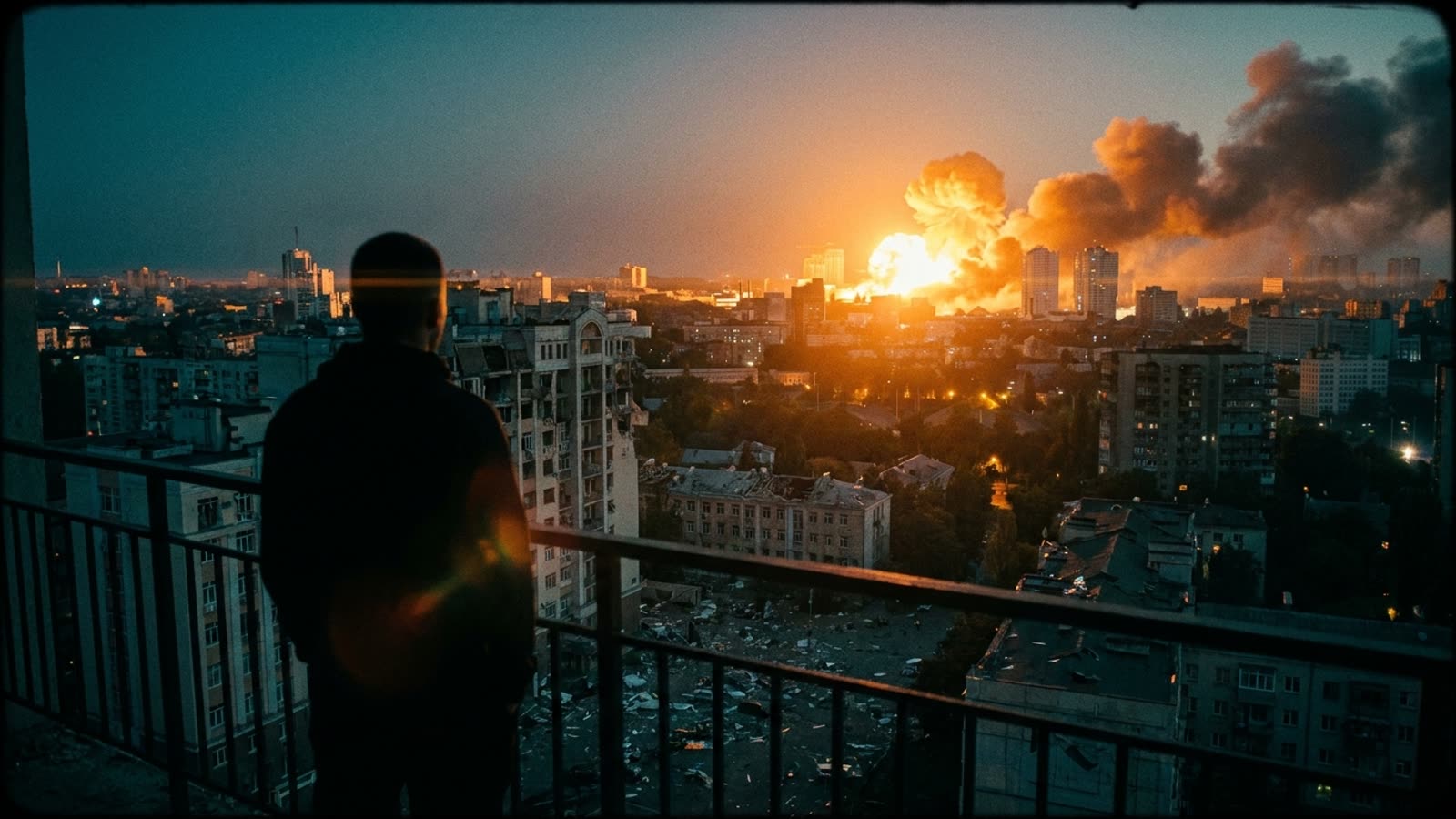
Russia's renewed bombardment of Ukrainian population centers over the past forty-eight hours has killed dozens of civilians and damaged critical infrastructure across multiple oblasts, underscoring the Kremlin's determination to sustain maximum pressure even as the war enters its fifth year with no negotiated end in sight.
The strikes—targeting Kyiv, Kharkiv, and several regional capitals—represent the most intense coordinated assault on civilian areas in months. Emergency services reported overnight attacks on residential buildings, a hospital, and energy facilities, with casualty figures still being compiled as rescue operations continue. Ukrainian officials condemned the barrage as deliberate terror tactics designed to break civilian morale ahead of what promises to be a difficult summer.
The strategic calculus
Moscow's escalation is not random. The timing coincides with growing fractures in Western support for Ukraine, as European governments grapple with domestic political pressures and the United States navigates its own internal debates over the scope and duration of military assistance. The Kremlin appears to be betting that sustained violence will accelerate allied fatigue, making eventual negotiations more favorable to Russian interests.
The attacks also serve as a message to Kyiv: that no part of Ukraine is beyond Russia's reach, regardless of air defense improvements supplied by NATO partners. While Ukrainian forces have achieved notable successes in intercepting missiles and drones, the sheer volume of ordnance deployed in recent days has overwhelmed defensive systems in several areas.
Humanitarian toll and infrastructure strain
Beyond the immediate death toll, the strikes threaten Ukraine's already-battered energy grid as summer demand rises. Repeated targeting of power facilities has become a hallmark of Russian strategy, forcing rolling blackouts and complicating civilian life in ways that statistics alone cannot capture. International humanitarian organizations have renewed calls for additional support, warning that Ukraine's infrastructure resilience is approaching critical limits.
The civilian focus of these attacks also raises fresh questions about accountability. War crimes investigations continue at the International Criminal Court, but the gap between documentation and justice remains vast—a reality that emboldens Moscow's calculus.
Our take
Four years into this war, the grim rhythm of Russian strikes and Ukrainian resilience has become almost numbingly familiar. But familiarity should not breed complacency. Each wave of civilian deaths is a test—of Ukrainian endurance, of Western commitment, of the international order's willingness to impose meaningful costs for territorial aggression. The Kremlin is watching closely to see who blinks first. So far, no one has offered a compelling answer to what happens if everyone does.