The strangest thing about the potential end of the Iran war is not that it might happen, but that the loudest objections are coming from the president's own coalition. As Donald Trump inches toward what his administration calls a "historic" agreement with Tehran, the Republican Party is discovering that peace can be almost as divisive as war.
The emerging deal—details of which remain fluid but reportedly include sanctions relief, limits on Iran's nuclear program, and a framework for regional de-escalation—represents the kind of grand bargain that has eluded American presidents for decades. It also represents something Trump's hawkish allies never expected: a willingness to negotiate with a regime they consider irredeemable.
The hawk problem
For Republican foreign policy traditionalists, the Iran war was never simply about security—it was about principle. The Islamic Republic, in this view, is not a rational actor to be bargained with but an ideological enemy to be confronted. Figures like Senator Tom Cotton and former Secretary of State Mike Pompeo built careers on this premise. Now they watch as a president they championed prepares to shake hands with the enemy.
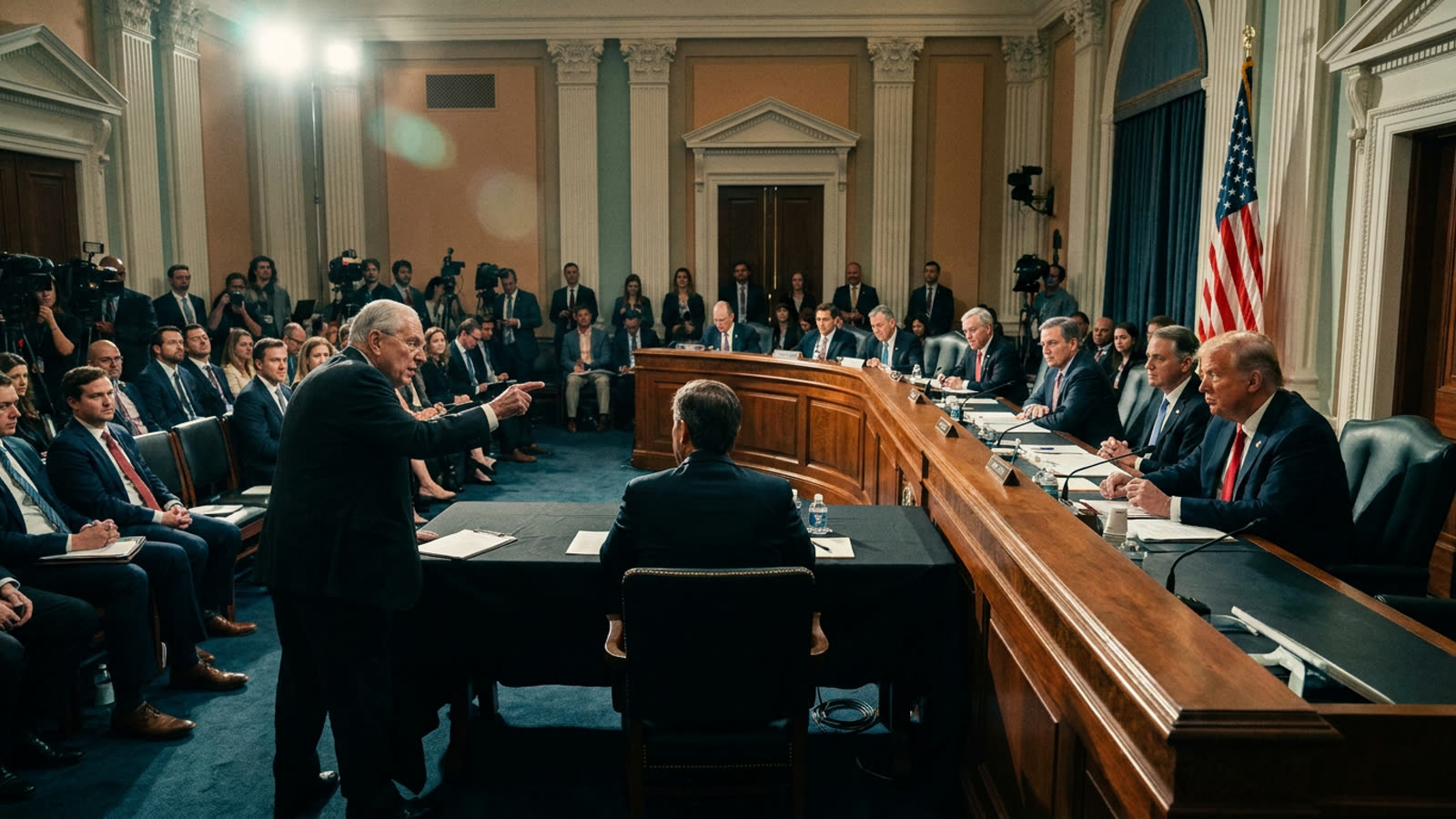
The discomfort is palpable. Congressional Republicans have spent weeks issuing carefully worded statements that praise the president's "strength" while questioning whether Iran can be trusted to honor any agreement. It is the political equivalent of applauding the chef while pushing the food around your plate.
The transactional president
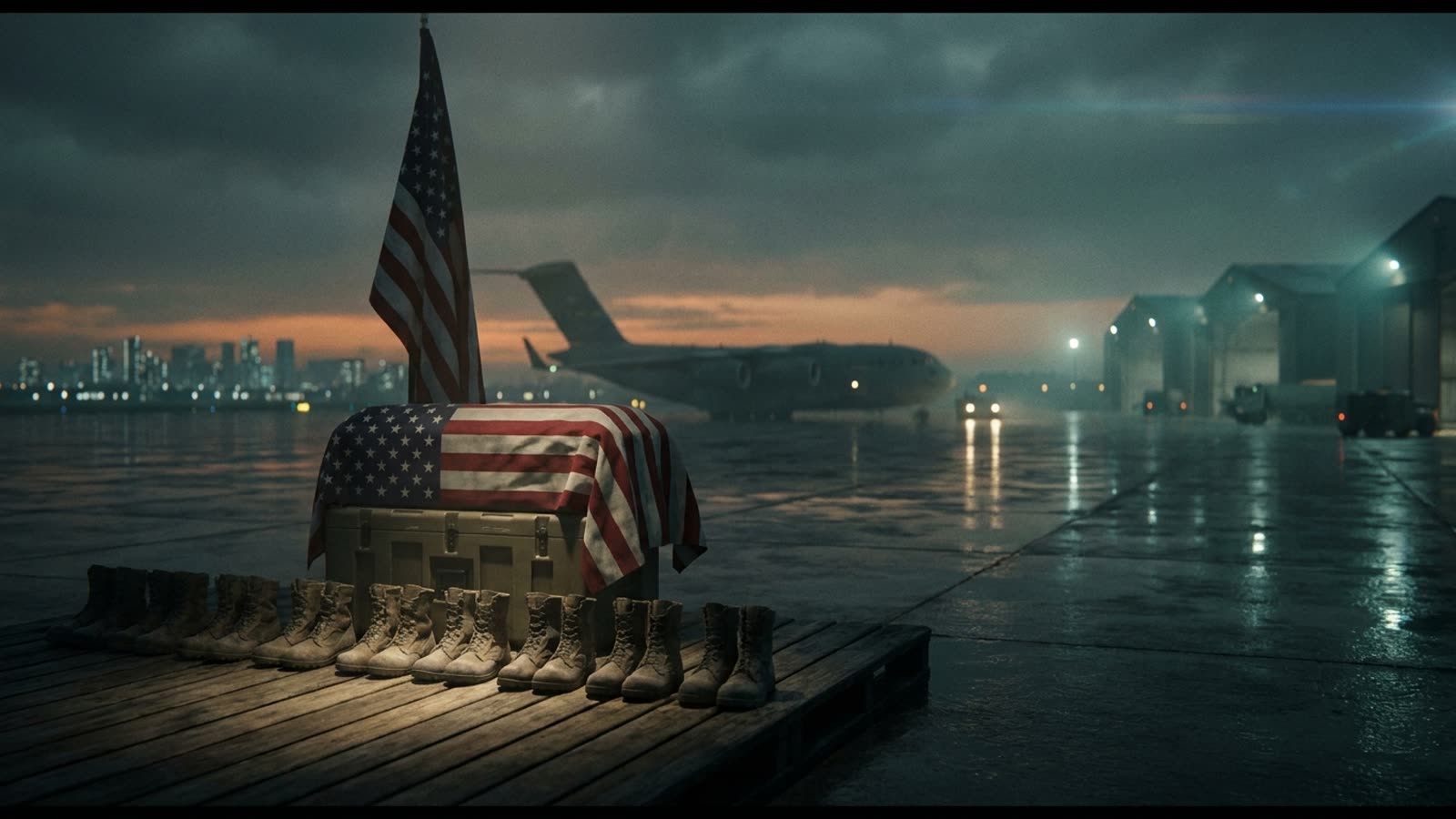
Trump, characteristically, seems unbothered by ideological consistency. His approach to Iran has always been transactional: maximum pressure was a negotiating tactic, not a theological commitment. If the pressure produced a deal, the pressure served its purpose. This logic is coherent on its own terms, but it requires accepting that the war—and the thirteen American service members who died in it—was ultimately a means to an end that could have been achieved through diplomacy.
That is a difficult pill for many to swallow, particularly those who argued the conflict was existentially necessary. The cognitive dissonance is producing strange political alignments: progressive Democrats who opposed the war now find themselves in awkward agreement with a president they despise, while Republican hawks who cheered the initial strikes sound increasingly like the antiwar left.
The domestic calculation
The White House is betting that most Americans care more about results than process. Polls consistently show war fatigue, and an agreement that brings troops home and stabilizes oil prices would be a tangible achievement heading into the midterms. The hawks, for all their media presence, may represent a vocal minority.
But political coalitions are built on trust, and trust is built on predictability. If Trump can pivot from "maximum pressure" to "historic partnership" with Tehran, what other orthodoxies might he abandon? For conservatives who tolerated his heterodoxies on trade and entitlements in exchange for foreign policy toughness, the Iran deal raises uncomfortable questions about what, exactly, they signed up for.
Our take
The irony is exquisite: a president who campaigned on ending forever wars may achieve that goal, only to discover that his own party preferred the wars to the peace. Trump's transactional foreign policy was always going to collide with Republican ideology eventually; Iran just happens to be the crash site. Whether the deal holds or collapses, the fissures it has exposed will outlast it. The GOP spent years convincing itself that Trump's instincts and conservative principles were aligned. They are now learning, painfully, that alignment was always a matter of convenience.