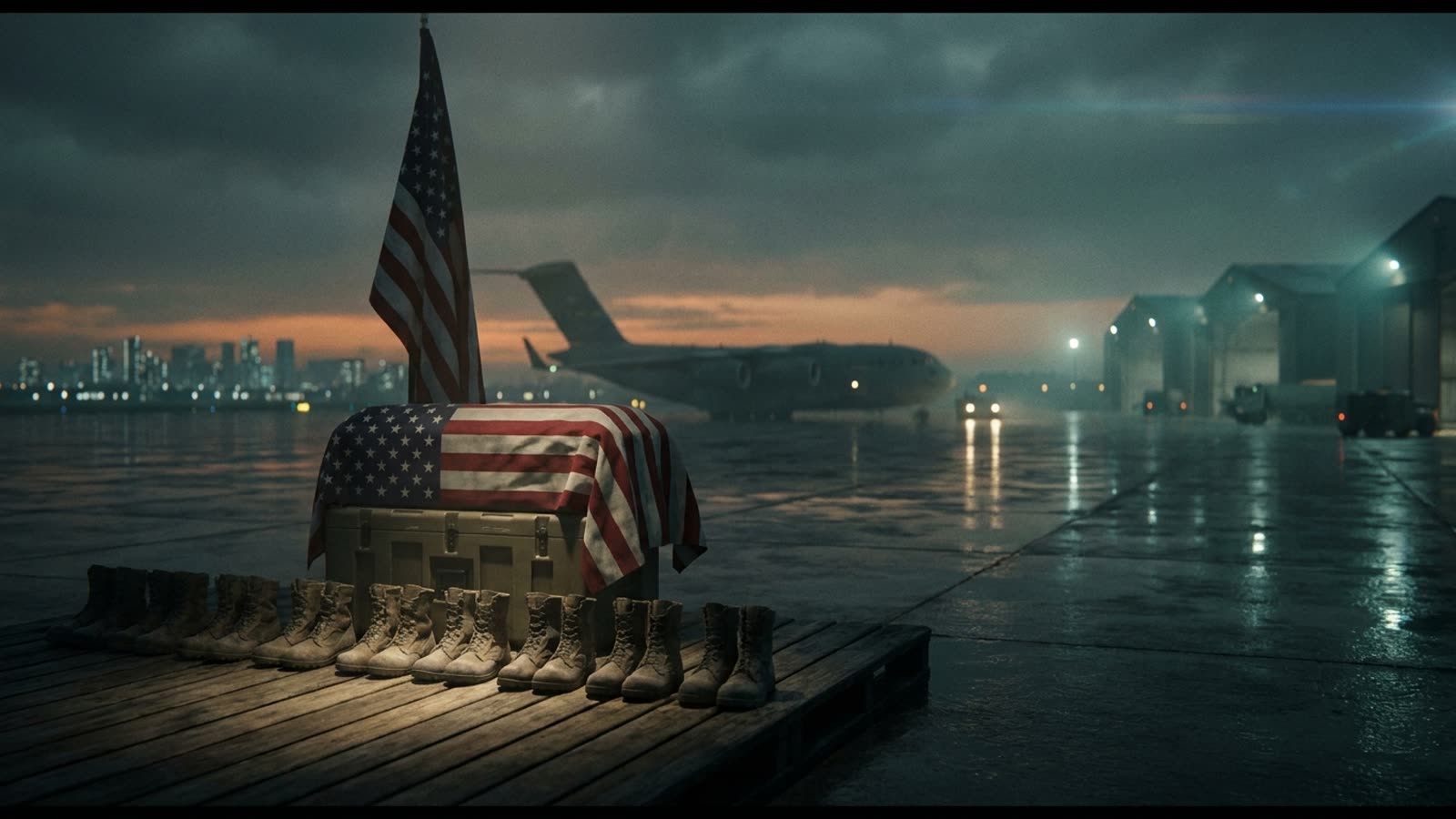
The war with Iran has now claimed thirteen American lives, and the most striking thing about that number is how little it has penetrated the national consciousness. No yellow ribbons, no constant news tickers, no presidential addresses from Dover Air Force Base. The dead have been folded into the background noise of a conflict that Americans seem to regard as something happening to someone else.
This is not Afghanistan, where two decades of casualties eventually accumulated into a weight the public could feel. It is not Iraq, where the mounting toll became a political cudgel. The Iran war is something newer and stranger: a kinetic conflict with real casualties that nonetheless feels, to most Americans, like a particularly intense news cycle rather than a generational commitment.
The names we should know
The thirteen who have died represent the full breadth of the American military: Navy pilots, Army special operators, Marines, Air Force personnel. Some died in the initial strikes. Others in the grinding operations that followed. Their hometowns span from California to North Carolina, from Texas to Minnesota. They left behind spouses, children, parents who will spend every Memorial Day for the rest of their lives doing something the rest of us will not: remembering.
The Pentagon has released their names, their ages, their units. Local newspapers have run the obituaries. But there has been no national ritual of grief, no moment when the country paused to acknowledge that young Americans are dying in a war that most citizens could not locate on a timeline, let alone a map.
The politics of forgetting
Part of this is structural. The all-volunteer military means that war deaths are concentrated in communities already accustomed to sacrifice, while the rest of the country continues uninterrupted. Part of it is technological: precision weapons and standoff capabilities have made American wars less costly in blood, which paradoxically makes each death easier to overlook.
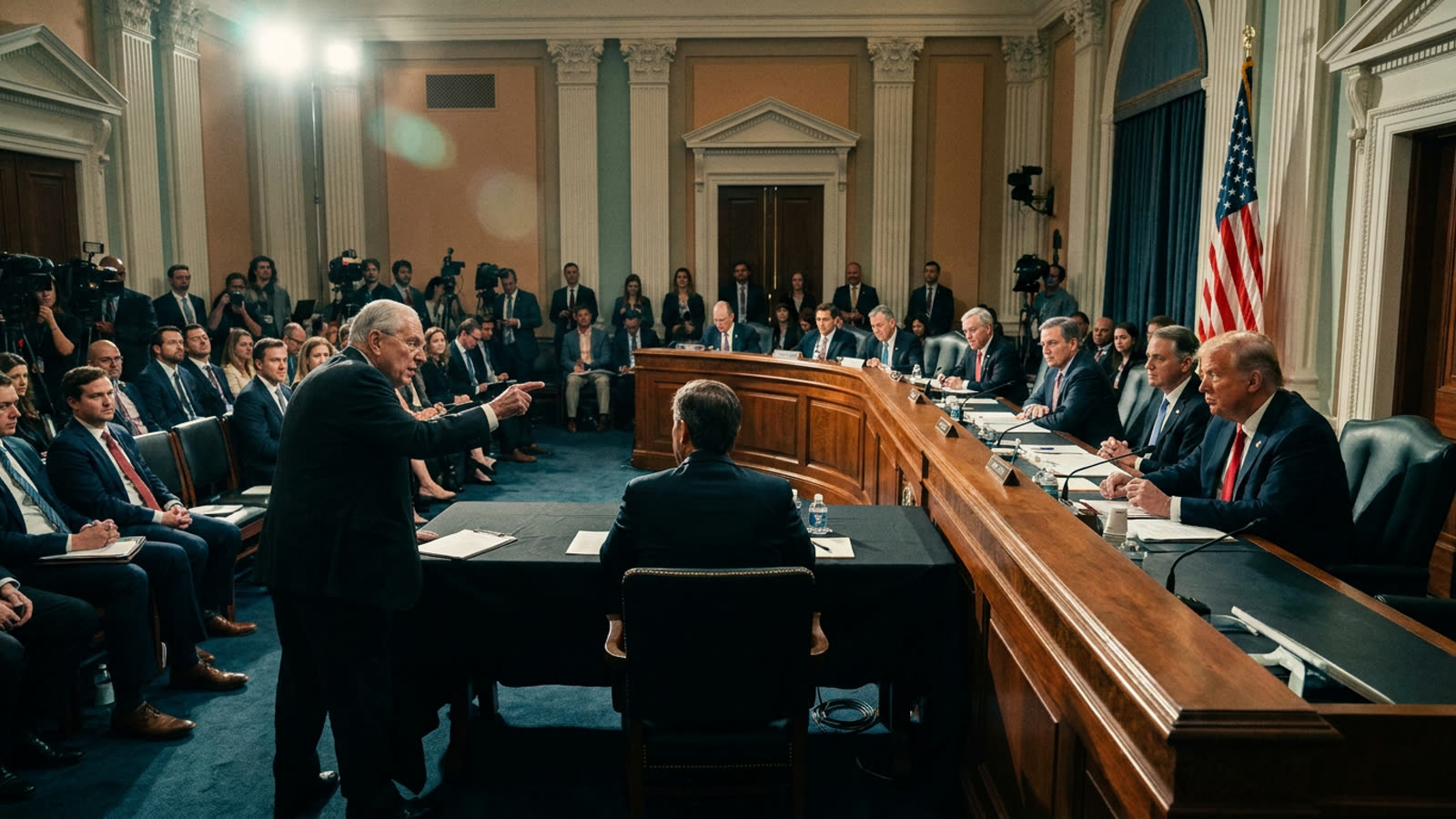
But part of it is political. The Trump administration has framed the Iran conflict as a limited operation, not a war in the constitutional sense, and certainly not something requiring the sustained attention of the American public. Congress has largely acquiesced. The media, overwhelmed by the sheer volume of news, cycles through casualty reports with the same speed it cycles through everything else.
The result is a kind of collective dissociation. Americans know, in the abstract, that their country is at war. They do not feel it.
Our take
Thirteen is not a large number by the grim standards of American military history. It is also thirteen more than zero, which is what most Americans seem to have internalized as the acceptable cost of whatever it is we are doing in the Persian Gulf. The emerging debate over a potential deal with Tehran will be conducted in terms of strategic advantage, political positioning, and economic impact. The thirteen dead will be mentioned, if at all, as a rhetorical device. They deserve better. So do the families who will spend this Memorial Day weekend not at barbecues but at gravesides, wondering why their sacrifice feels so invisible to the country their loved ones died serving.