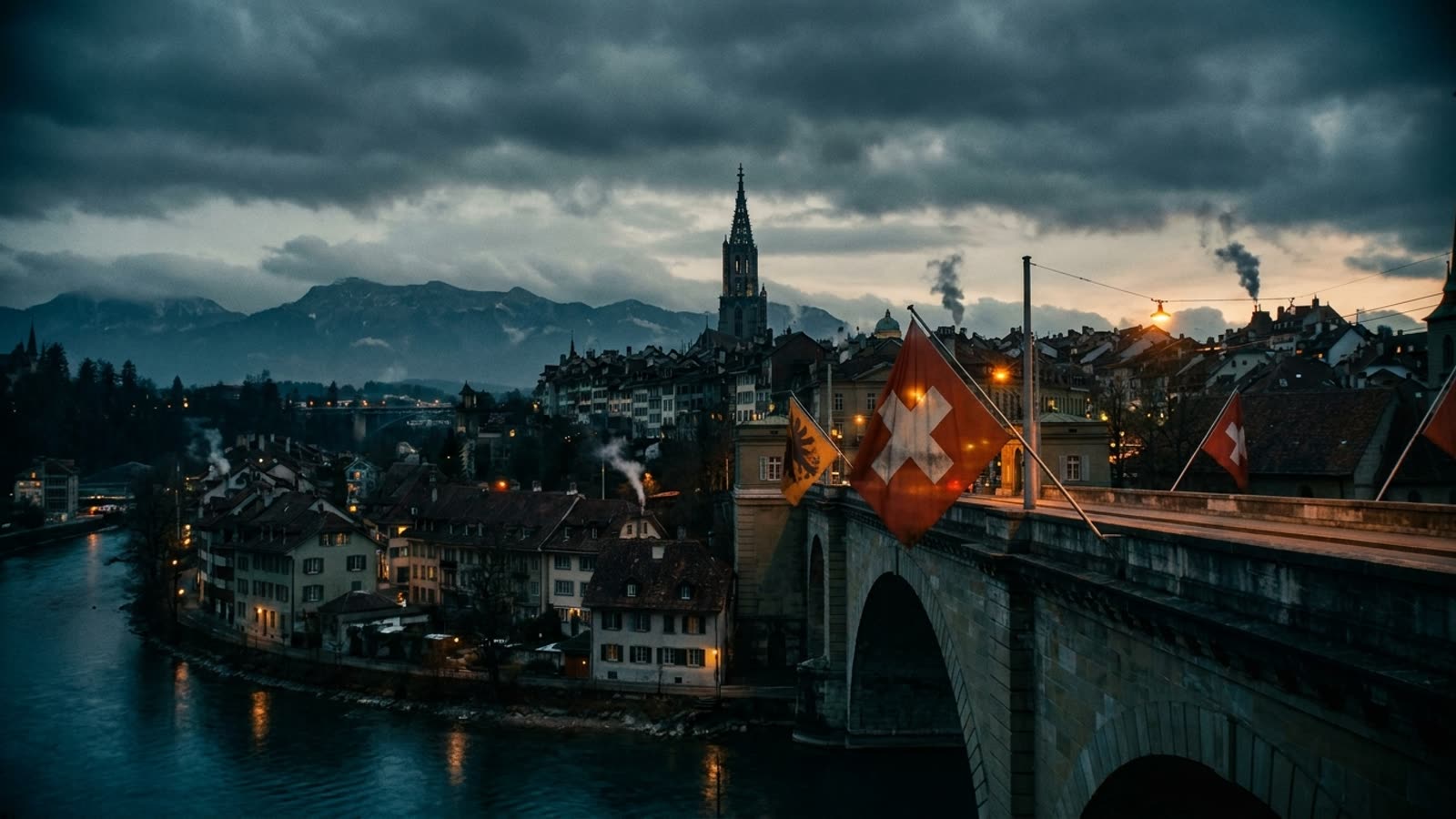
The popular image of Swiss neutrality involves cuckoo clocks, numbered bank accounts, and a small mountain nation that simply refuses to pick sides. The reality is considerably more interesting: Switzerland has spent centuries perfecting a form of neutrality that is less about moral abstention and more about calculated advantage.
The Swiss model is not pacifism. The country maintains universal male conscription, possesses one of Europe's most heavily armed civilian populations, and has repeatedly demonstrated willingness to defend its borders with lethal force. What Switzerland practices is armed neutrality—a posture that says, in effect, we will not join your war, but we will make invading us extraordinarily expensive.
The Congress of Vienna settlement
Switzerland's neutrality became international law in 1815, when the great powers meeting in Vienna after Napoleon's defeat formally recognized the country's permanent neutral status. This was not a reward for Swiss virtue. It was a strategic calculation by Austria, Prussia, Russia, and Britain, who recognized that a neutral buffer state in the Alps served everyone's interests better than a contested territory that might tip the continental balance.
The arrangement required Switzerland to maintain neutrality in perpetuity and to defend that neutrality militarily if necessary. In exchange, the great powers guaranteed Swiss territorial integrity. This bargain has held, with modifications, for more than two centuries—surviving two world wars, the Cold War, and the complete transformation of the European order.
The infrastructure of non-alignment
Modern Swiss neutrality operates through a dense network of institutions and practices that most observers never see. Geneva hosts more international organizations than any city except New York, precisely because Switzerland offers a venue where hostile parties can meet on genuinely neutral ground. The International Committee of the Red Cross, headquartered in Geneva, operates under Swiss law but maintains its own neutral status—neutrality nested within neutrality.
The Swiss Federal Department of Foreign Affairs maintains what it calls "good offices"—a permanent capability to mediate between states that cannot speak directly to each other. Switzerland has facilitated prisoner exchanges, hosted back-channel negotiations, and represented the diplomatic interests of countries that have severed relations with each other. The United States and Iran, for instance, have communicated through Swiss intermediaries for decades.
The limits of neutrality
The doctrine has always required uncomfortable accommodations. During the Second World War, Switzerland traded with Nazi Germany, accepted looted gold, and turned away Jewish refugees at the border—actions that the Swiss government formally acknowledged and apologized for in the late twentieth century. The country's neutrality survived because it was useful to all belligerents, not because it was morally pure.
More recently, Switzerland has faced pressure to align with European Union sanctions regimes, particularly regarding Russia. The country has adopted some measures while resisting others, threading a needle between its traditional posture and the expectations of its neighbors. Each decision generates domestic controversy, with some Swiss arguing that true neutrality requires refusing all sanctions and others contending that neutrality in the face of aggression becomes complicity.
Our take
Swiss neutrality endures because it solves a problem that never goes away: the world needs places where enemies can talk, where assets can be parked outside the reach of any single power, and where small states can demonstrate that survival does not require choosing sides. The Swiss have never pretended this arrangement is noble. They have simply made it indispensable.