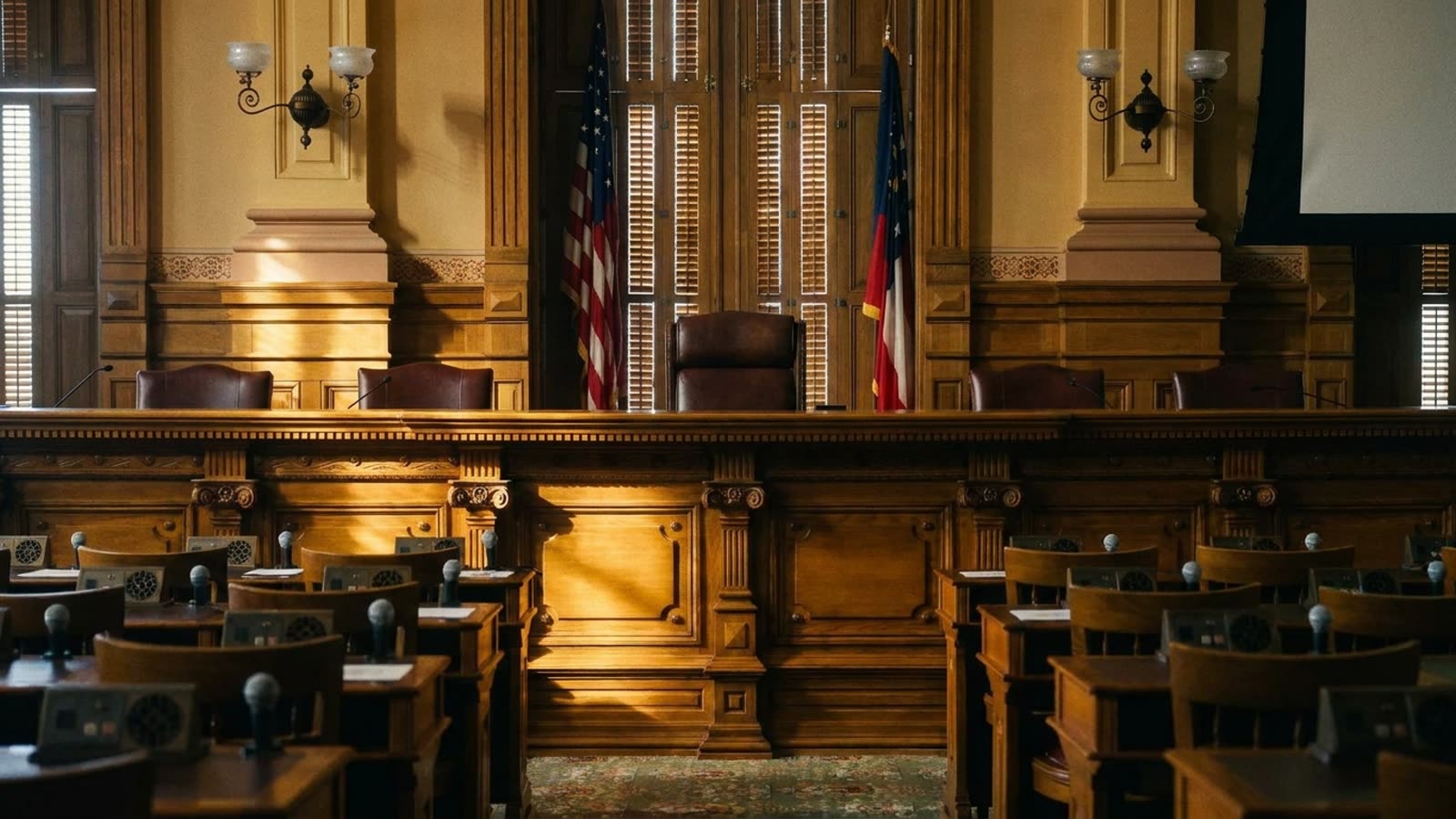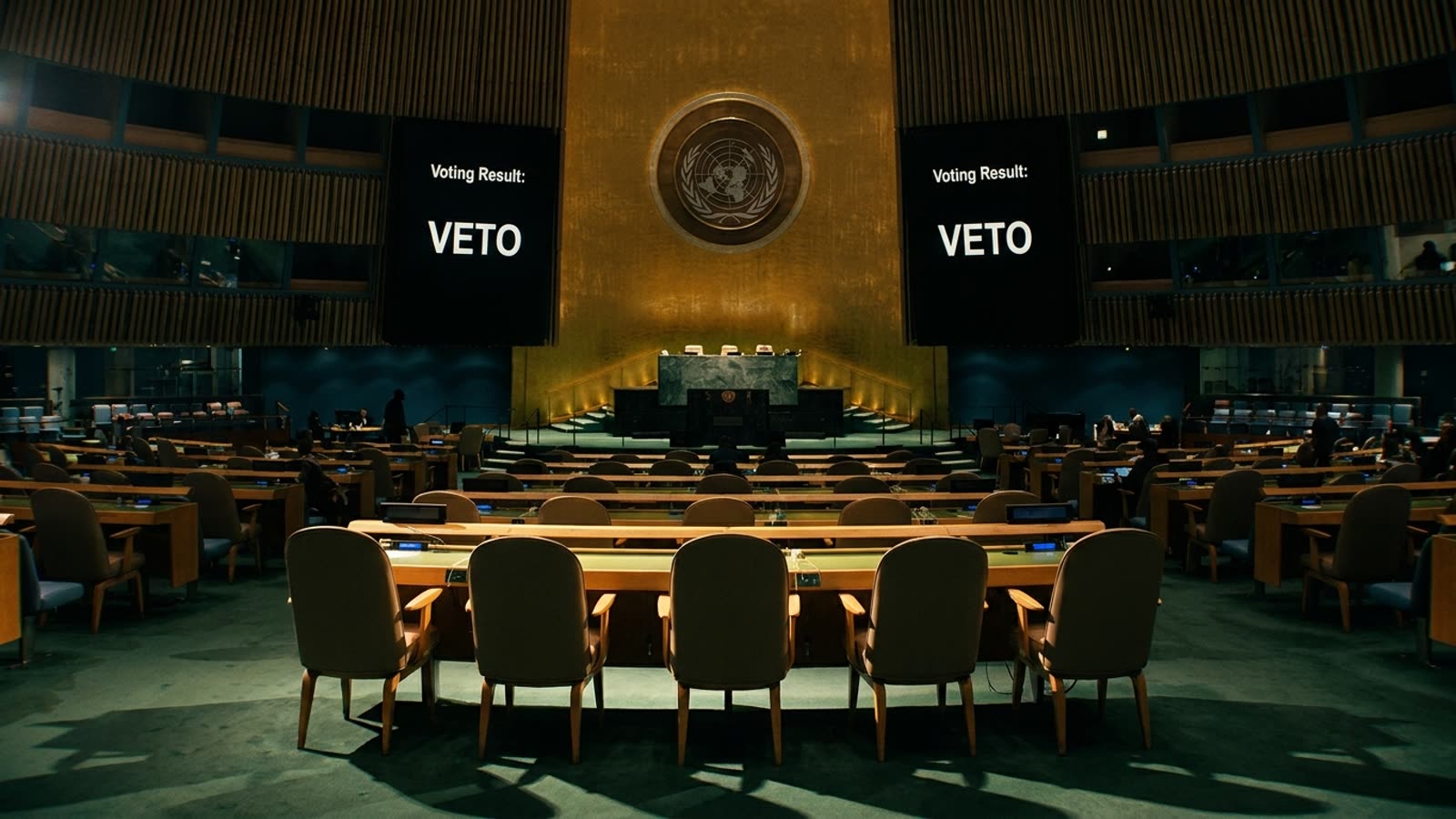
The United Nations Security Council meets in a chamber designed to project collective authority, but its most important feature is invisible: the absolute veto power held by five countries that happened to be on the winning side of a war that ended over eighty years ago. The United States, Russia, China, France, and the United Kingdom can each, acting alone, block any substantive resolution—no matter how many other nations support it, no matter how urgent the humanitarian need. This architectural quirk of postwar diplomacy explains more about the shape of modern geopolitics than almost any treaty or alliance.
The veto was not an oversight. It was the price of participation. When the UN Charter was drafted in San Francisco in 1945, the major powers made clear they would not join any organization that could compel them to act against their interests. The smaller nations objected strenuously, but the logic was brutally simple: a United Nations without the great powers would be as toothless as the League of Nations, which had failed spectacularly to prevent the very war just concluded. Better a flawed organization with the powerful inside than a principled one they ignored.
How the veto actually works
The Security Council has fifteen members, but only the five permanent members—the P5—possess the veto. The other ten are elected to rotating two-year terms and can vote but not block. For any substantive resolution to pass, it needs nine affirmative votes and zero vetoes from the P5. Procedural matters are exempt, but determining what counts as procedural is itself subject to veto, a recursive trap that the P5 have exploited when convenient.
Abstention is not a veto. A permanent member can signal displeasure without blocking action by simply not voting, a diplomatic maneuver that allows face-saving compromises. This distinction matters: many resolutions pass because a skeptical P5 member chose to abstain rather than obstruct.
The veto's long shadow
The numbers tell a story of selective paralysis. Russia has used its veto more than any other nation since the Soviet Union's collapse, blocking action on Syria alone over a dozen times. The United States has wielded the veto most frequently to shield Israel from condemnation. China, historically more restrained, has grown more willing to block resolutions in recent years, often in concert with Russia. France and the United Kingdom have not cast a solo veto in decades, though their threat to do so shapes negotiations before votes ever occur.
The veto's real power is anticipatory. Resolutions that would certainly be blocked are often never introduced, making the formal veto count an understatement of its influence. Diplomats negotiate in the shadow of the veto, crafting weaker language or abandoning efforts entirely when a P5 member signals opposition. The Security Council's agenda is thus shaped as much by what cannot be discussed as by what is.
Reform proposals and their futility
Proposals to reform or abolish the veto are as old as the UN itself. Some advocate expanding the P5 to include rising powers like India, Brazil, or Germany—though this would require the current P5 to voluntarily dilute their privilege, which none has shown interest in doing. Others suggest limiting the veto's scope, exempting mass atrocity situations or requiring vetoing members to justify their objections publicly. France has championed a voluntary code of conduct under which P5 members would refrain from vetoing in cases of genocide, but voluntary restraint is not structural change.
The fundamental obstacle is that amending the UN Charter requires approval from two-thirds of the General Assembly and ratification by two-thirds of member states, including all five permanent members. The veto, in other words, protects itself.
Our take
The veto is neither accident nor anachronism—it is the honest architecture of a world where power is unequally distributed and the powerful refuse to be bound. Reformers who denounce it as antidemocratic are correct but miss the point: the UN was never designed to be democratic. It was designed to prevent another world war by giving the nations capable of starting one a stake in the system. By that narrow measure, it has succeeded. By any broader measure of justice or collective action, it remains a monument to the limits of international cooperation when sovereignty meets self-interest.