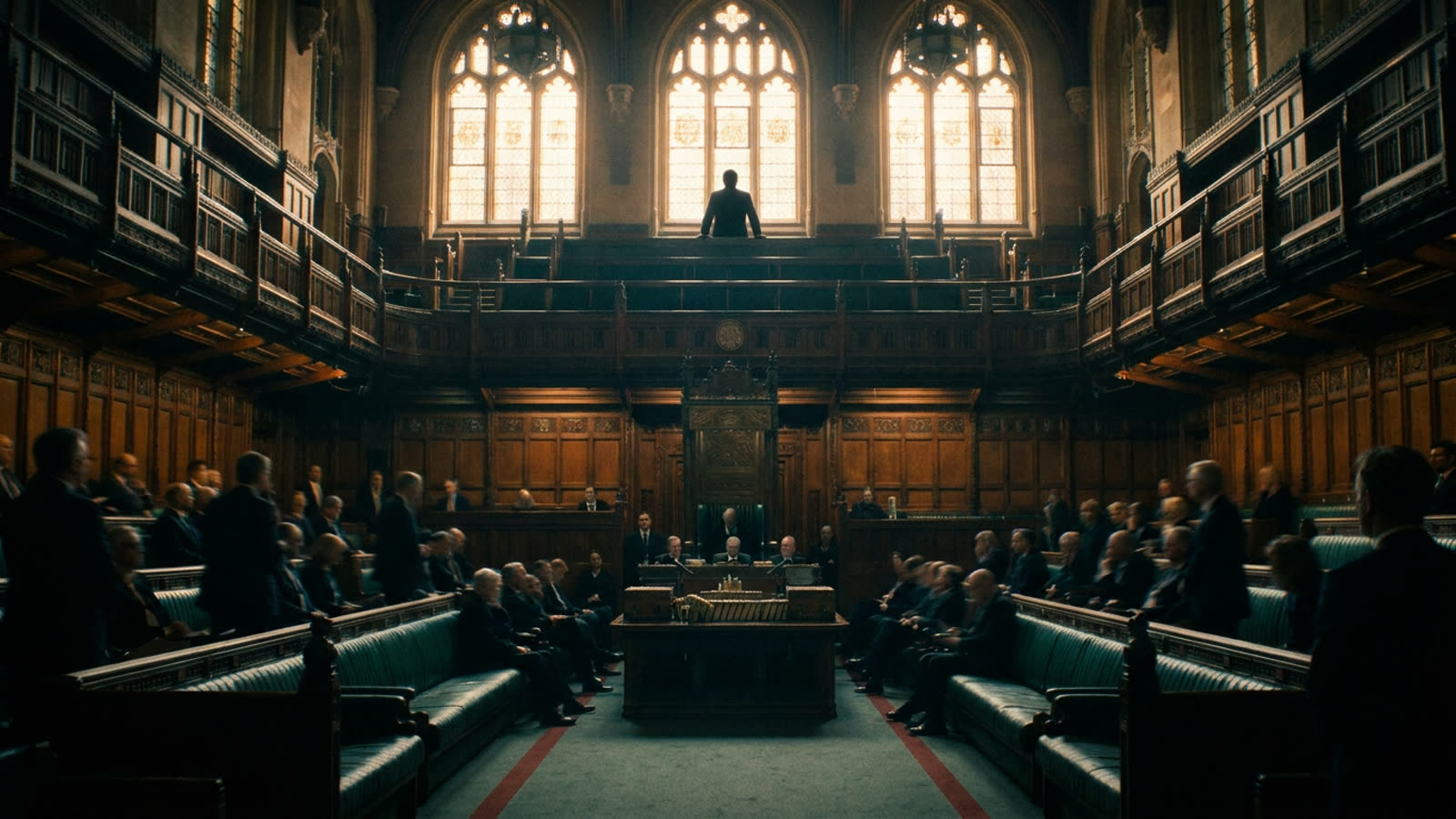
The most powerful people in Congress are not the ones giving speeches on C-SPAN. They are the ones working the phones at 11 p.m., tracking which members need a bridge project, which ones are worried about a primary challenger, and which ones simply need to be reminded that the leadership has a long memory.
This is the work of the party whip—a title borrowed from British fox hunting, where the "whipper-in" kept the hounds from straying. In the American context, the hounds are elected representatives, and the quarry is the magic number: 218 votes in the House, 60 in the Senate for most consequential matters.
The count before the vote
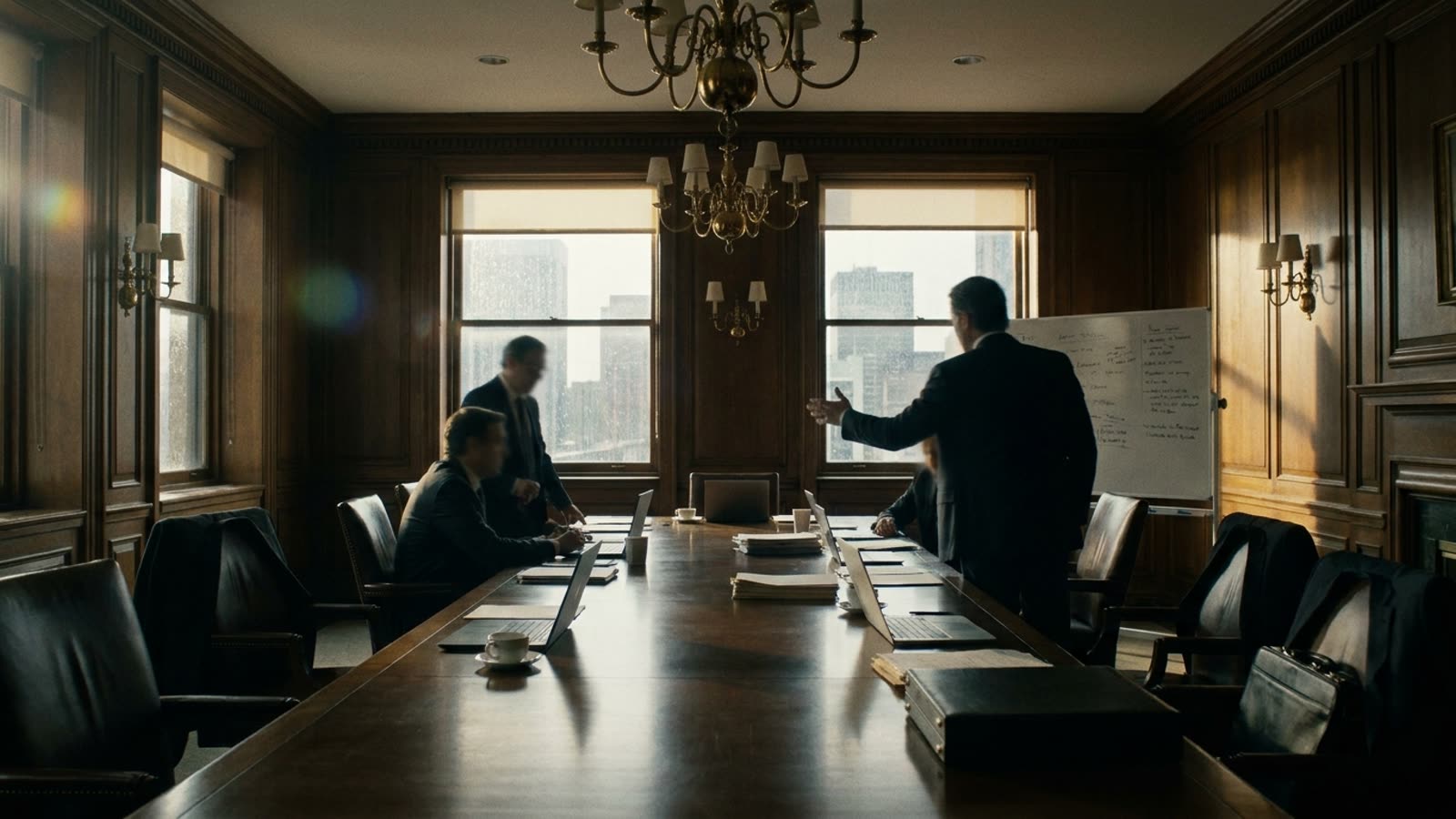
Whip operations begin long before any bill reaches the floor. Deputy whips and regional coordinators fan out through their assigned blocs, conducting what insiders call "the count"—a rolling tally of where each member stands. The categories are granular: hard yes, leaning yes, undecided, leaning no, hard no. A skilled whip team knows not just the number but the texture of each position. Is a member's reluctance substantive or performative? Are they holding out for a concession or genuinely opposed?
The chief deputy whip synthesizes these reports into a document that shapes leadership strategy. If the count looks soft, a bill might be delayed. If it looks close, the horse-trading intensifies. The whip's office becomes a clearinghouse for legislative favors—not in the crude sense of bribery, but in the sophisticated currency of Washington: committee assignments, fundraising support, presidential attention, language tweaks that let a member claim victory back home.
Why the job has gotten harder
The whip system evolved when party discipline was looser and individual members had more autonomy. Paradoxically, as parties have become more ideologically sorted, the job has grown more difficult. The rise of small-dollar fundraising means members are less dependent on party infrastructure. Social media rewards defiance over teamwork. A backbencher who torpedoes leadership's agenda can become a national figure overnight.
The narrowing of congressional majorities has compounded this. When a party holds the House by four seats, every member becomes a potential veto point. The whip's task shifts from persuasion to hostage negotiation. Recent speakers have discovered that even securing their own gavel requires concessions that weaken the very tools of party discipline.
The invisible architecture of legislation
Most coverage of Congress focuses on the visible drama: floor speeches, committee hearings, presidential signing ceremonies. The whip system is the invisible architecture beneath all of it. A bill that passes 220-215 appears as a single data point; the whip's office knows it as dozens of individual conversations, each with its own logic and price.
This is neither noble nor corrupt—it is simply how collective action problems get solved in a legislature designed to resist easy majorities. The founders feared faction; the whip system is faction's operating manual.
Our take
Americans who complain that Congress "doesn't work" are often describing the whip system working exactly as designed—slowly, transactionally, with outcomes that satisfy no one completely. The alternative is not some purer form of democracy but paralysis. Understanding the whip's role does not make Washington more inspiring, but it does make it more legible. That is worth something in an era when most political commentary treats legislation as vibes rather than arithmetic.