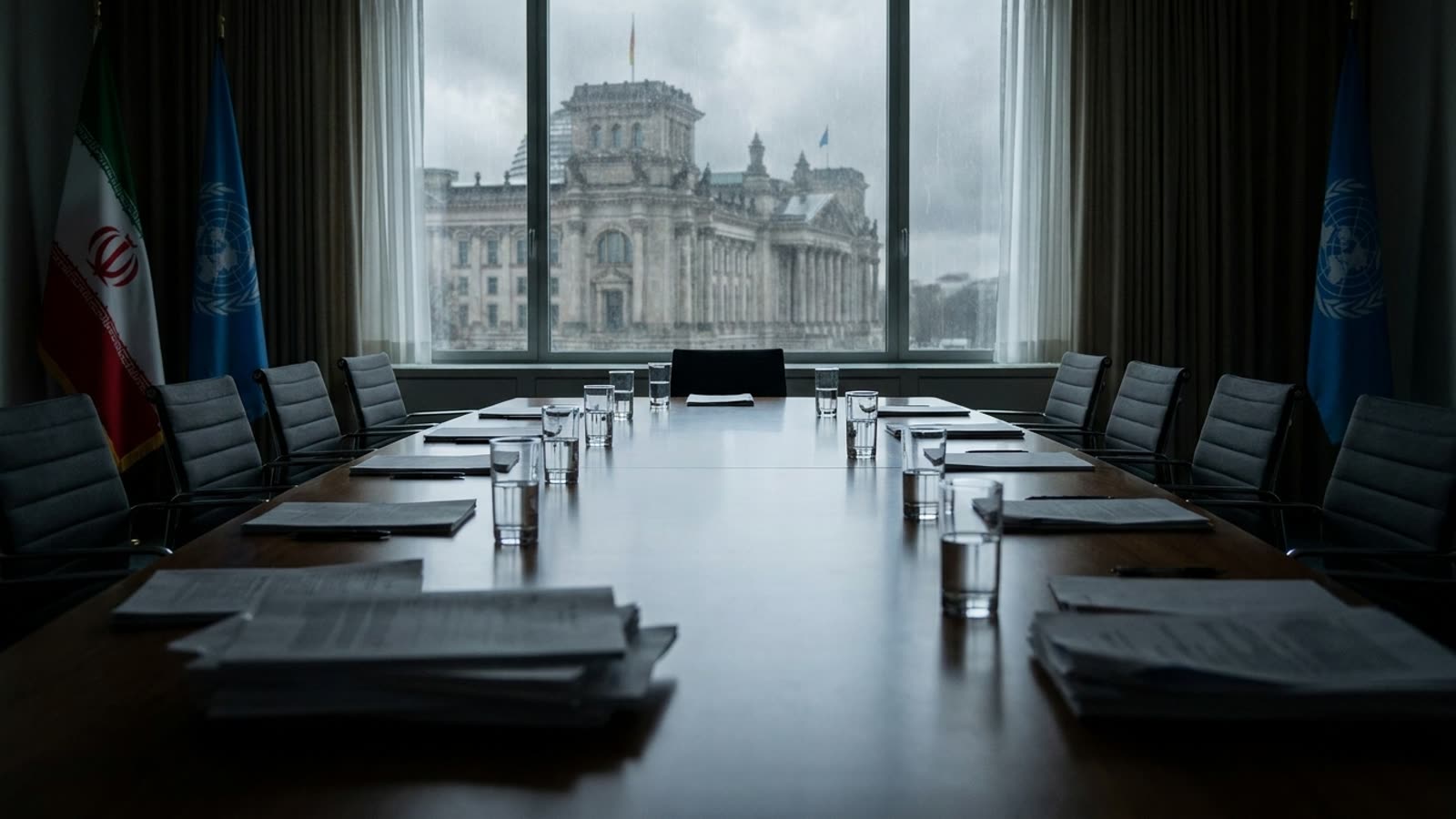
The diplomatic artifact Donald Trump spent years dismantling is now the blueprint his administration is quietly consulting as it pursues what the president insists will be a "much better deal" with Tehran. The irony is lost on no one in the foreign-policy establishment, though few are willing to say so on the record.
The Joint Comprehensive Plan of Action, signed in July 2015 by Iran and six world powers, was a 159-page technical marvel that traded sanctions relief for intrusive inspections and hard limits on enrichment. Trump withdrew in May 2018, calling it "the worst deal ever negotiated." Iran responded by steadily breaching every constraint. Now, with both sides signaling that an agreement is close, the contours of any successor will inevitably echo the original—because the physics of uranium enrichment and the economics of sanctions have not changed.
What the 2015 deal actually required
The JCPOA's core bargain was straightforward: Iran would cap enrichment at 3.67 percent purity, maintain no more than 300 kilograms of low-enriched uranium, and mothball two-thirds of its centrifuges for at least a decade. In exchange, the United States and European Union would lift nuclear-related sanctions, unfreezing tens of billions of dollars in Iranian assets and reopening oil markets.
Critically, the deal did not address ballistic missiles or regional proxies—omissions that gave Republican critics ammunition and left Gulf allies uneasy. The "sunset clauses," which allowed certain restrictions to expire after 10 to 15 years, became a rallying cry for opponents who argued the agreement merely delayed, rather than prevented, an Iranian bomb.
Why a 2026 sequel faces steeper odds
The strategic landscape has shifted dramatically. Iran now enriches uranium to 60 percent purity—a short technical step from weapons-grade—and possesses enough material for multiple warheads, according to International Atomic Energy Agency reports. Any new agreement would need to address a far more advanced program, meaning deeper concessions from Tehran or more generous incentives from Washington.
Domestically, Trump must sell a deal to a Republican base that cheered the 2018 withdrawal and to congressional hawks who have already drafted legislation requiring Senate ratification of any Iran accord. The original JCPOA was never submitted as a treaty, allowing the Obama administration to bypass a hostile Senate. That procedural shortcut is unlikely to survive a second attempt.
Our take
There is a certain poetic justice in watching an administration that torched a painstakingly negotiated agreement now scramble to reconstruct something similar under worse conditions. The 2015 deal was imperfect, but it was verifiable and it was working—until it wasn't allowed to. Whatever emerges in 2026 will be measured against that benchmark, and the measurement will not be kind to the architects of the original withdrawal.