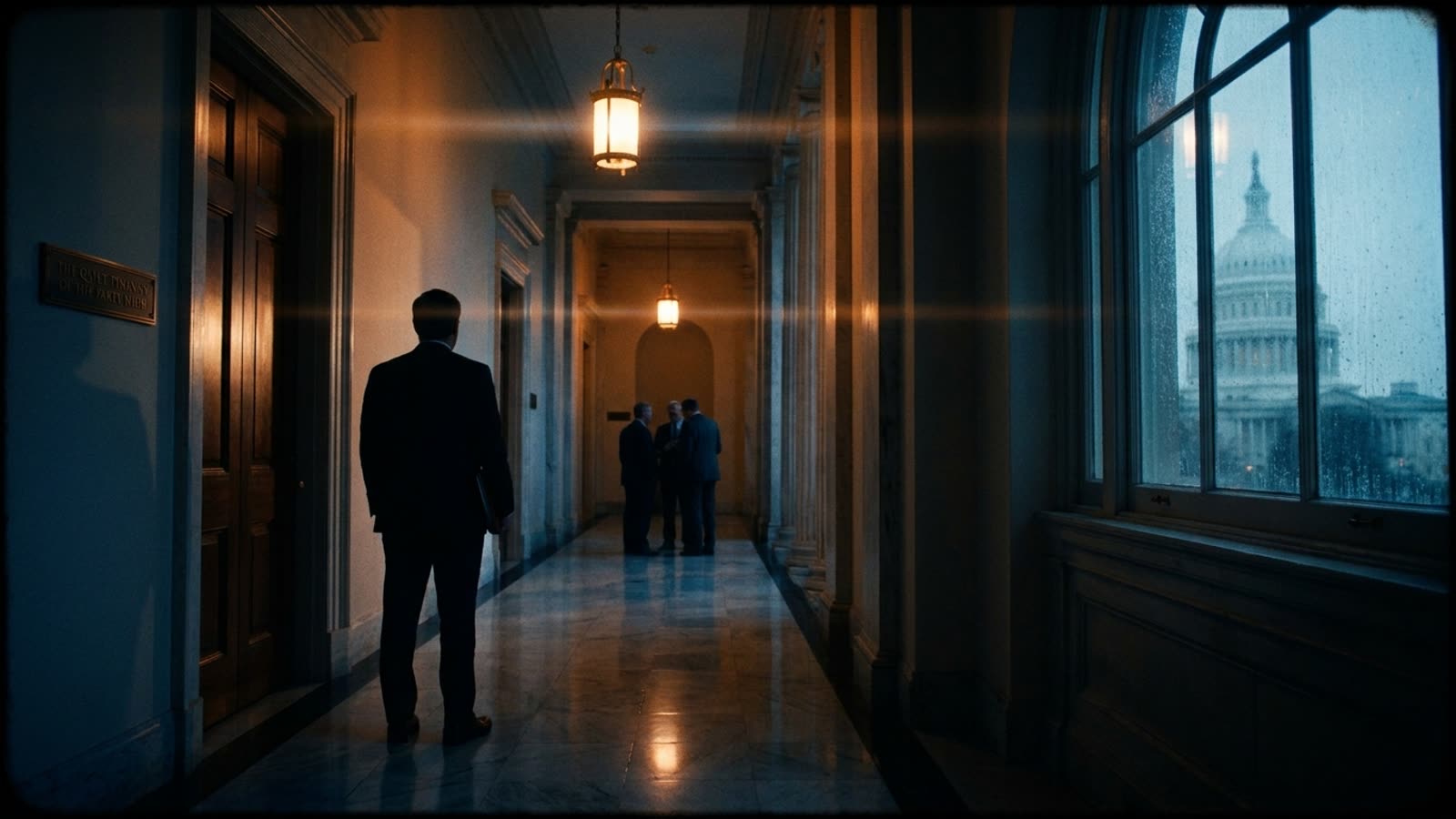
The most powerful people in Congress are not the ones giving speeches on C-SPAN. They are the ones counting votes in back hallways, trading favors over coffee, and occasionally threatening to end careers with a single phone call. They are the party whips, and understanding their job is understanding why American legislation moves the way it does—which is to say, erratically, mysteriously, and often against the apparent wishes of the voting public.
The term itself comes from British fox hunting, where a "whipper-in" kept the hounds from straying. The metaphor is apt and unflattering. In both the House and Senate, the majority and minority whips exist for one purpose: ensuring their party's members vote the way leadership wants them to vote. Everything else—the press releases, the cable news appearances, the constituent services—is secondary to this arithmetic obsession.
The mechanics of persuasion
A whip operation is, at its core, an intelligence-gathering exercise. Before any significant vote, deputy whips and regional whips fan out across the caucus, asking a deceptively simple question: are you a yes, a no, or undecided? The answers flow upward, compiled into whip counts that leadership guards like state secrets. A leaked whip count can collapse a negotiation; an accurate one can make a career.
The tools of persuasion range from the mundane to the baroque. Committee assignments, campaign contributions, earmarks (when they existed openly), and endorsements are the standard currency. But whips also trade in subtler goods: scheduling a vote when a wavering member is conveniently absent, arranging a presidential phone call, or simply providing political cover by allowing a vulnerable member to vote against the party on a bill that will pass anyway. The art lies in knowing which members need which incentives—and which can be safely ignored.
When the whip fails
The most revealing moments in congressional history are whip failures. When the House rejected the initial bank bailout in 2008, it was a catastrophic miscount by both parties' whip operations. When the Affordable Care Act repeal collapsed in 2017, it was John McCain's thumb-down—a vote that leadership believed, until the final moment, they had secured. These failures expose the limits of party discipline in a system designed, perhaps accidentally, to resist it.
American whips operate under constraints their British counterparts would find absurd. In Westminster, defying the whip can mean expulsion from the party and the end of a political career. In Washington, members answer to their constituents, their donors, and their own ambitions—the party is merely one consideration among many. This structural weakness forces American whips to be more creative, more transactional, and ultimately more powerful as individual dealmakers than their parliamentary equivalents.
Our take
The whip system is democracy's unglamorous plumbing, and like all plumbing, it only gets attention when it breaks. But the quiet daily work of vote-counting and favor-trading shapes legislation more decisively than any floor speech or committee markup. Reformers who want to understand why Congress seems captured by narrow interests would do well to study not campaign finance or gerrymandering, but the whip's notebook—where the real arithmetic of power is tallied, one reluctant vote at a time.