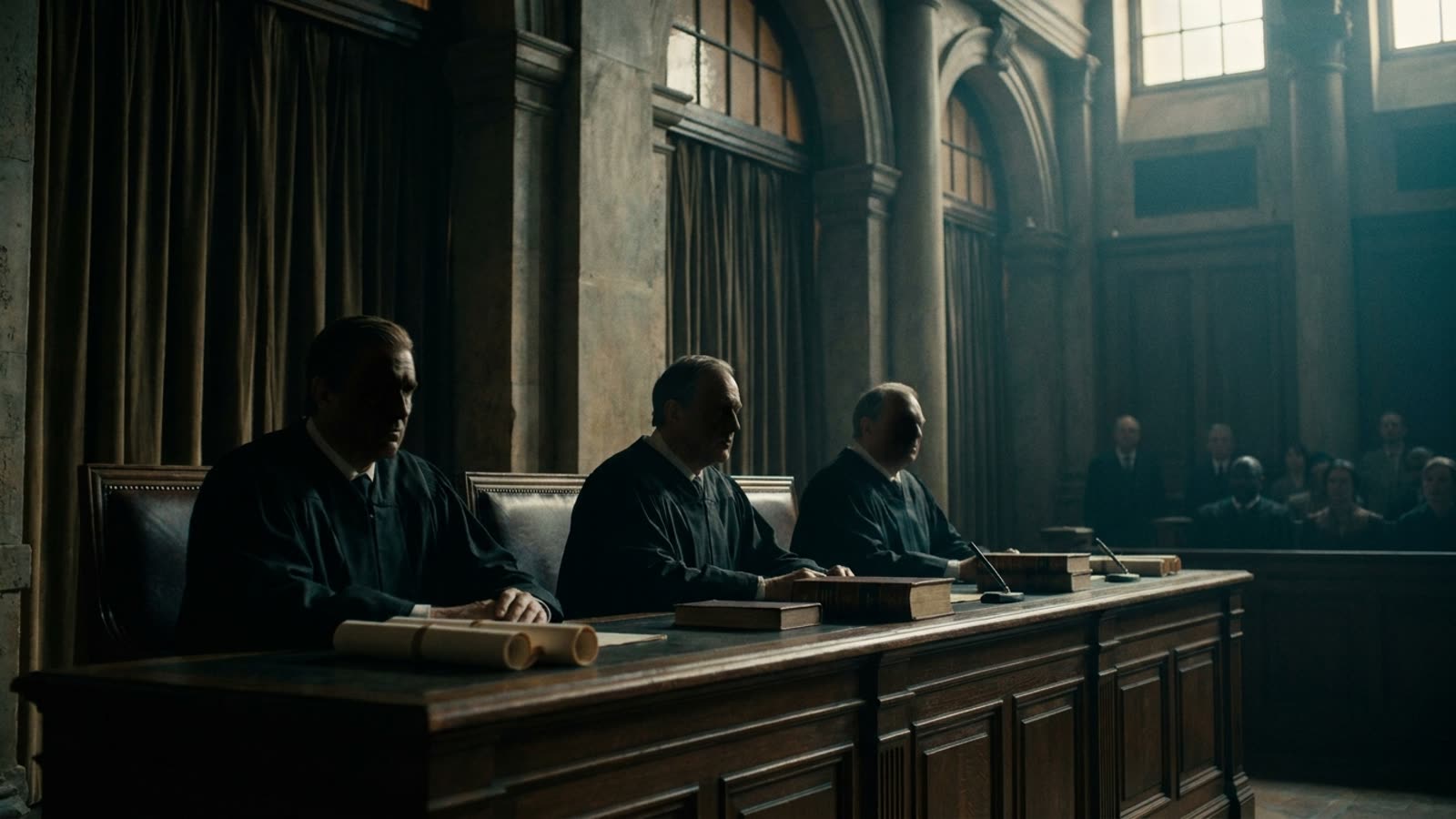
The United States holds elections constantly, but the contests that matter most happen in windowless rooms where no voter is present. Every decade, after the Census Bureau releases new population counts, state governments redraw the boundaries of congressional and legislative districts. The process is called redistricting, and it is simultaneously the most powerful and least understood mechanism in American democracy.
The principle sounds neutral enough: districts must be redrawn to reflect population shifts, ensuring roughly equal representation. One person, one vote. But the execution is anything but neutral. Whoever controls the pen controls the outcome of elections for the next ten years.
The mechanics of the gerrymander
The term dates to 1812, when Massachusetts Governor Elbridge Gerry approved a district so contorted it resembled a salamander. The portmanteau stuck because the practice never stopped. Modern gerrymandering deploys two main techniques. "Packing" concentrates opposition voters into a few districts they win overwhelmingly, wasting their surplus votes. "Cracking" disperses opposition voters across many districts so they never reach a majority anywhere.
With contemporary voter data and mapping software, line-drawers can predict electoral outcomes with unsettling precision. A party that wins a slim majority of statewide votes can engineer a supermajority of seats. The maps are stress-tested through thousands of simulations before anyone casts a ballot.
Who draws the lines
This is where American federalism produces chaos. In most states, the legislature draws its own districts—a conflict of interest so blatant it would be illegal in virtually any other context. Legislators choose their voters rather than the reverse. Some states require gubernatorial approval, adding another veto point. A handful have handed the task to independent or bipartisan commissions, though the definition of "independent" varies considerably.
The federal courts have intervened sporadically. Racial gerrymandering that dilutes minority voting power can violate the Voting Rights Act. But in 2019, the Supreme Court ruled that partisan gerrymandering, however extreme, presents a political question beyond federal judicial review. The message to state legislators was clear: pack and crack to your heart's content, provided you do not leave an explicit racial paper trail.
Why it entrenches polarization
Safe districts do not merely protect incumbents; they shift the locus of competition from general elections to primaries. When a district is drawn to guarantee one party's victory, the only meaningful contest occurs among that party's candidates. Primary electorates skew ideological. Candidates who might appeal to the broader electorate lose to those who energize the base. The representative who emerges has no electoral incentive toward moderation and every incentive toward performative extremism.
This is not a partisan phenomenon in one direction. Both parties gerrymander when given the opportunity; the difference is which states they control. The cumulative effect is a House of Representatives filled with members whose greatest political threat comes from their own flank, not from across the aisle.
Our take
Redistricting is where democratic theory collides with raw political self-interest, and self-interest wins almost every time. The process is legal, constitutional, and corrosive. Independent commissions are an improvement, but they remain rare and imperfect. Until Americans decide that the people drawing electoral maps should not be the same people who benefit from them, the gerrymander will remain the quiet engine of dysfunction—determining winners a decade in advance, one census at a time.