Few legal concepts are as poorly understood as diplomatic immunity. In popular imagination, it functions as a magic cloak rendering ambassadors and their families untouchable—free to commit crimes, evade debts, and thumb their noses at local authorities. The reality is considerably more interesting, and considerably more constrained.
The framework rests on the Vienna Convention on Diplomatic Relations, adopted in 1961 and now ratified by nearly every nation on earth. Its core principle is functional necessity: diplomats must be free from coercion by host governments to perform their duties. The alternative—a world where receiving states could arrest envoys at will—would make international relations impossible.
The hierarchy of protection
Not all diplomatic personnel enjoy equal immunity. The Convention establishes a careful taxonomy. Ambassadors and their immediate staff receive near-absolute immunity from criminal prosecution; they cannot be arrested, detained, or compelled to testify. Administrative and technical staff enjoy the same criminal immunity but can be sued in civil matters arising outside their official functions. Service staff—drivers, cooks, gardeners—receive immunity only for acts performed in the course of their duties.
This tiered system reflects a pragmatic bargain. States wanted maximum protection for those conducting sensitive negotiations while limiting the number of people who could claim blanket immunity. The result is that a chauffeur who causes a traffic accident while running personal errands enjoys no special protection, while a first secretary who does the same thing cannot be prosecuted.
The waiver mechanism
Here is what the action films never mention: immunity can be waived. The sending state—not the individual diplomat—holds this power, and it exercises it more often than cynics assume. When diplomats are accused of serious crimes, their home governments face intense pressure to lift immunity or recall them for prosecution at home. Refusing to do either creates a diplomatic incident that can poison bilateral relations for years.
The calculus is coldly reciprocal. Every foreign ministry knows that its own diplomats serve abroad under the same rules. A country that shelters its personnel from accountability invites retaliation against its envoys elsewhere. This mutual vulnerability, rather than any high-minded principle, keeps the system roughly honest.
When the system fails
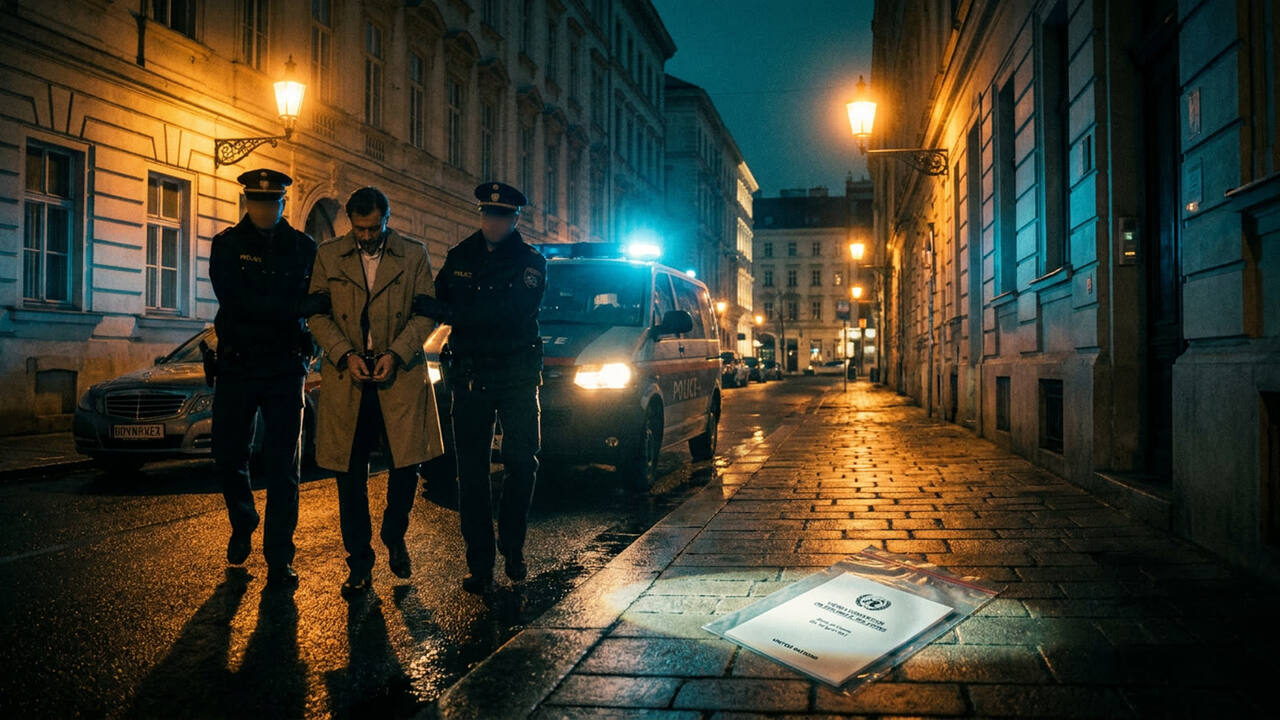
The most notorious abuses tend to involve traffic violations and unpaid parking tickets—irritating but minor. Graver cases, while rare, expose the system's limits. When a diplomat's family member kills someone in a car accident and flees the country, the host nation has no mechanism to compel their return. The only remedies are declaring the individual persona non grata (expelling them) or pressuring the sending state to waive immunity—options that often prove inadequate for grieving families.
Some reformers argue for carving out exceptions for serious crimes. Others counter that any exception creates a pretext for authoritarian regimes to detain diplomats on fabricated charges. The Convention's drafters chose clarity over flexibility, and that bargain remains intact six decades later.
Our take
Diplomatic immunity is not a loophole; it is the load-bearing wall of international relations. Without it, embassies become hostages and diplomacy becomes impossible. The system's occasional failures are real and painful, but they are the price of a framework that, on balance, makes the world more governable. The next time a case makes headlines, remember: the outrage is a feature, not a bug. It is what keeps sending states honest.