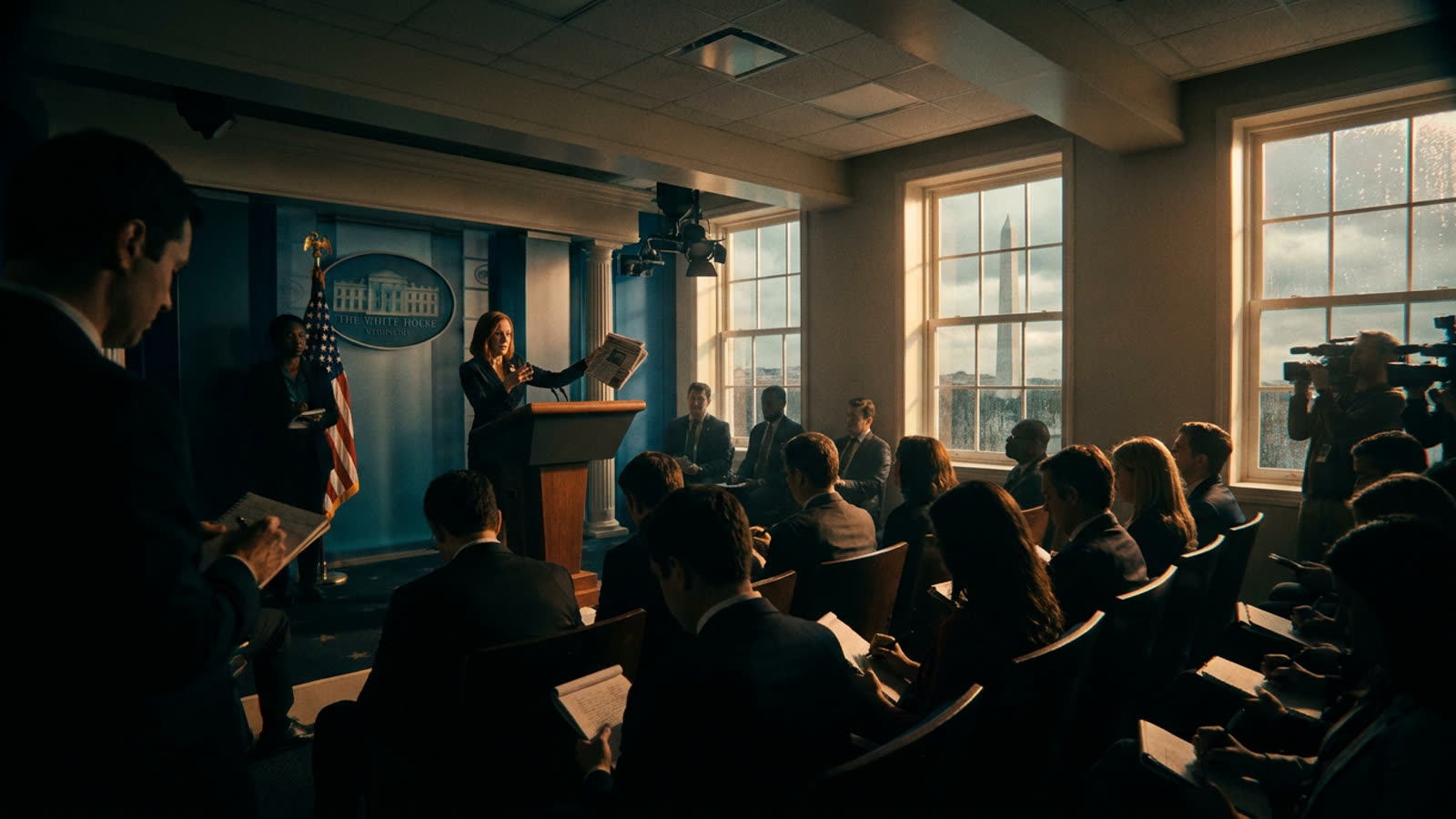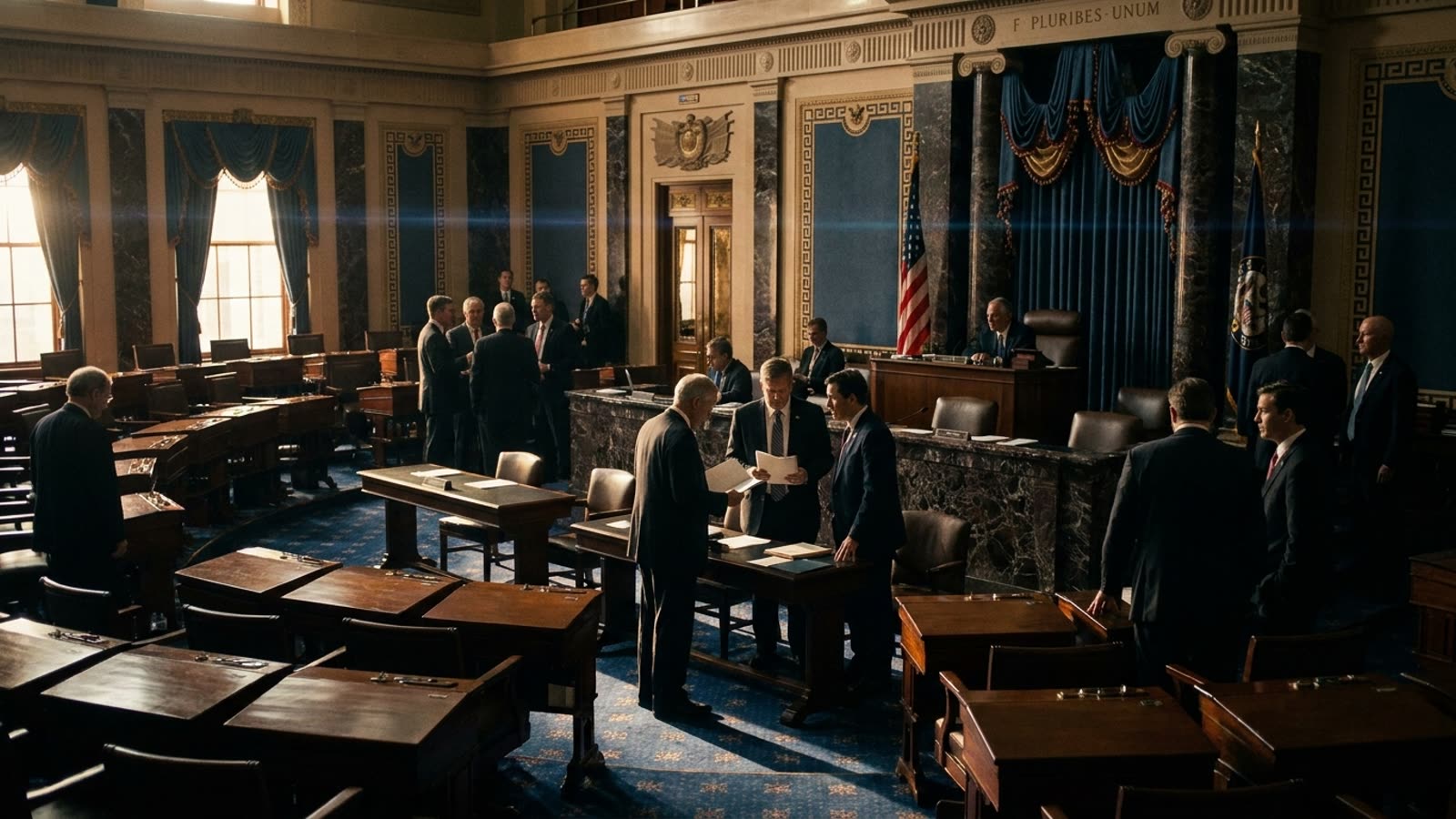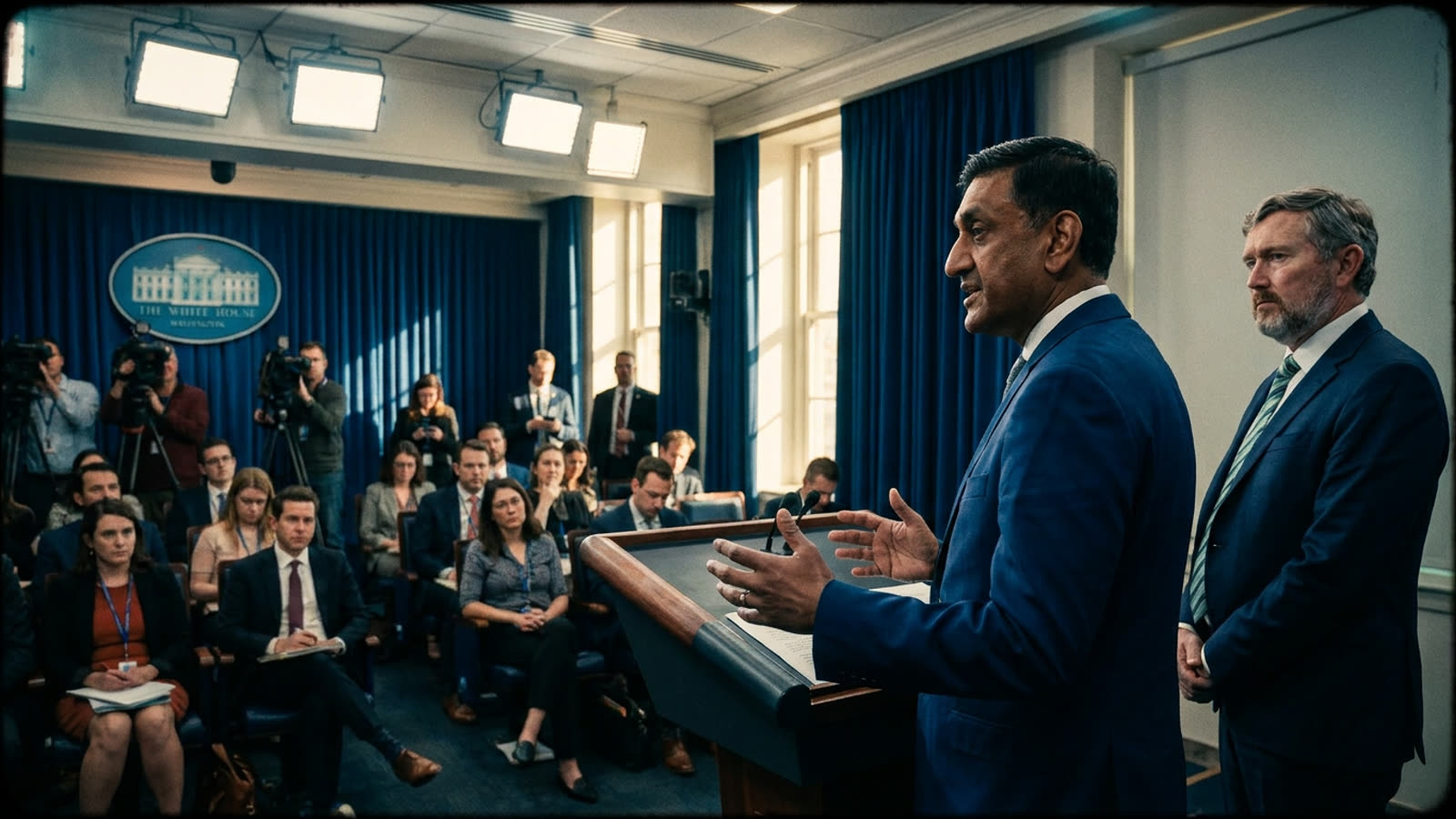
The United States House of Representatives has done something it almost never does: it told a sitting president, mid-conflict, that his war is unauthorized and must end. The resolution passed Tuesday evening with a comfortable bipartisan margin, uniting progressive Democrats who opposed the Iran campaign from its first airstrikes with a bloc of Republican non-interventionists who have grown increasingly uneasy with the operation's scope, cost, and apparent lack of an exit strategy.
The vote is constitutionally significant and practically meaningless—at least in the short term. President Trump has made clear he considers the resolution advisory at best, and the Senate appears unlikely to muster the votes to override a certain veto. But the political symbolism matters enormously. For the first time since the early weeks of the Iraq War, a chamber of Congress has formally repudiated a president's use of military force while bombs are still falling.
The coalition that shouldn't exist
The roll call revealed a Washington rarity: genuine ideological crossover. The resolution attracted yes votes from both the Squad's successors and from libertarian-leaning Republicans who have spent years warning that endless Middle Eastern entanglements drain the treasury and stretch the military. What united them was not a shared vision of American foreign policy but a shared frustration with executive unilateralism. The War Powers Resolution of 1973 was designed precisely for moments like this, yet presidents of both parties have treated it as a suggestion rather than a statute. Tuesday's vote was, in part, an institutional assertion—Congress reminding itself that it possesses authorities it has been too timid to use.
Why the Senate won't follow
Mitch McConnell's successor as Republican leader has signaled that the upper chamber will not take up the resolution before the August recess, effectively running out the clock. Hawkish Republicans argue that withdrawing now would hand Tehran a strategic victory and destabilize oil markets further. Moderate Democrats, meanwhile, worry about the optics of abandoning an operation that the administration insists is protecting Gulf shipping lanes and Israeli security. The Senate math is brutal: even if every Democrat voted yes, supporters would need a dozen Republican defections to reach a veto-proof majority. They have, at most, four.
The courts loom
Constitutional scholars are already gaming out the next phase. If Congress cannot compel the president to stop, can the judiciary? The Supreme Court has historically ducked war-powers disputes as political questions, but the current Court has shown an appetite for reining in executive overreach on domestic matters. A lawsuit backed by a bipartisan group of legislators is reportedly being drafted, though its chances of success are slim. More likely, the vote becomes a campaign issue—a way for candidates in swing districts to distance themselves from an unpopular conflict without actually ending it.
Our take
The House did its constitutional duty and will almost certainly be ignored. That is the modern American way of war: the executive acts, Congress complains, and the fighting continues until the president decides otherwise. Tuesday's vote matters not because it will bring troops home but because it puts every member of Congress on record. When the post-war reckoning arrives—and it always arrives—there will be no hiding behind procedural abstention. For once, the people's representatives were forced to say what they believe. That alone is worth something, even if it changes nothing.