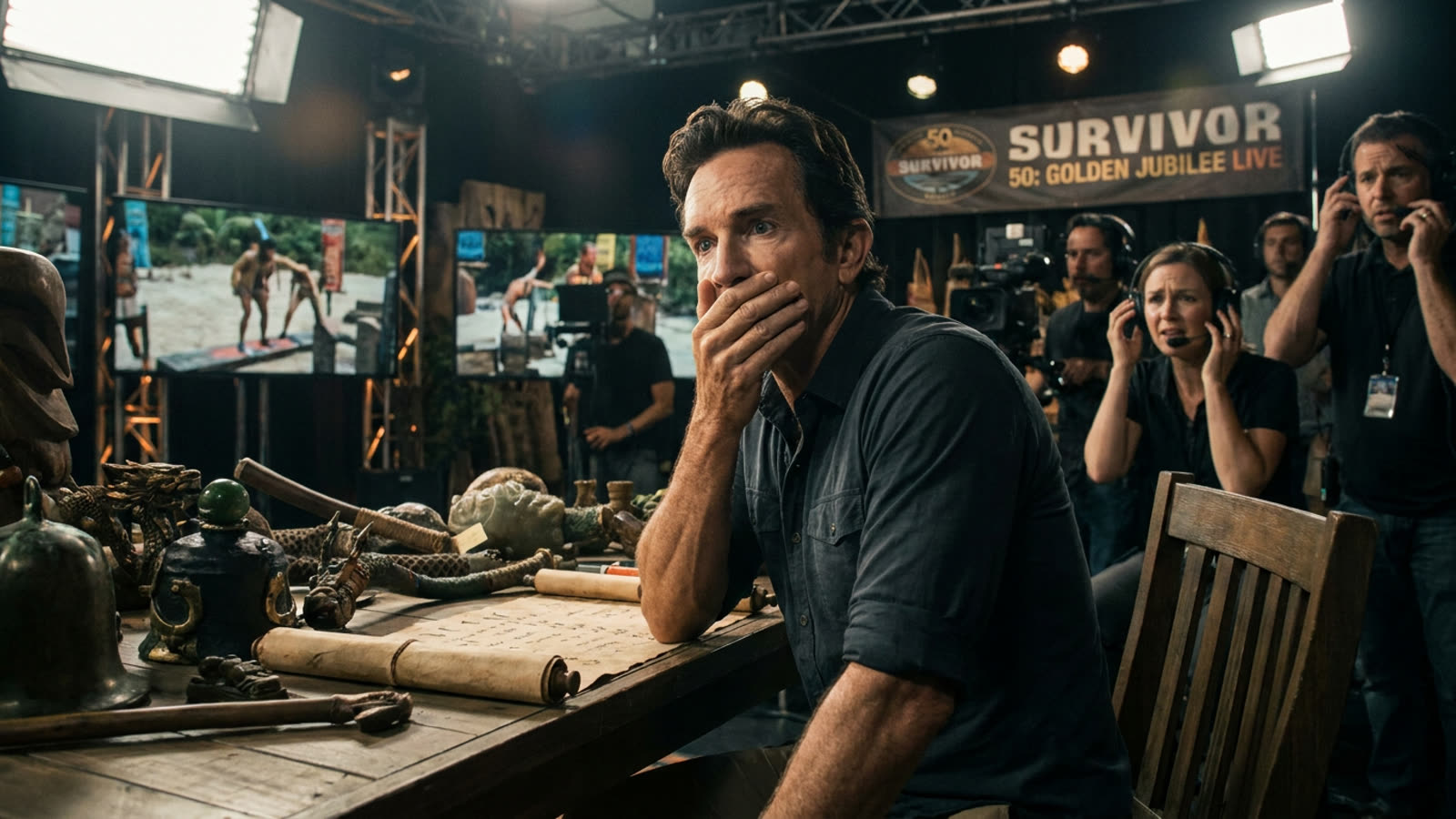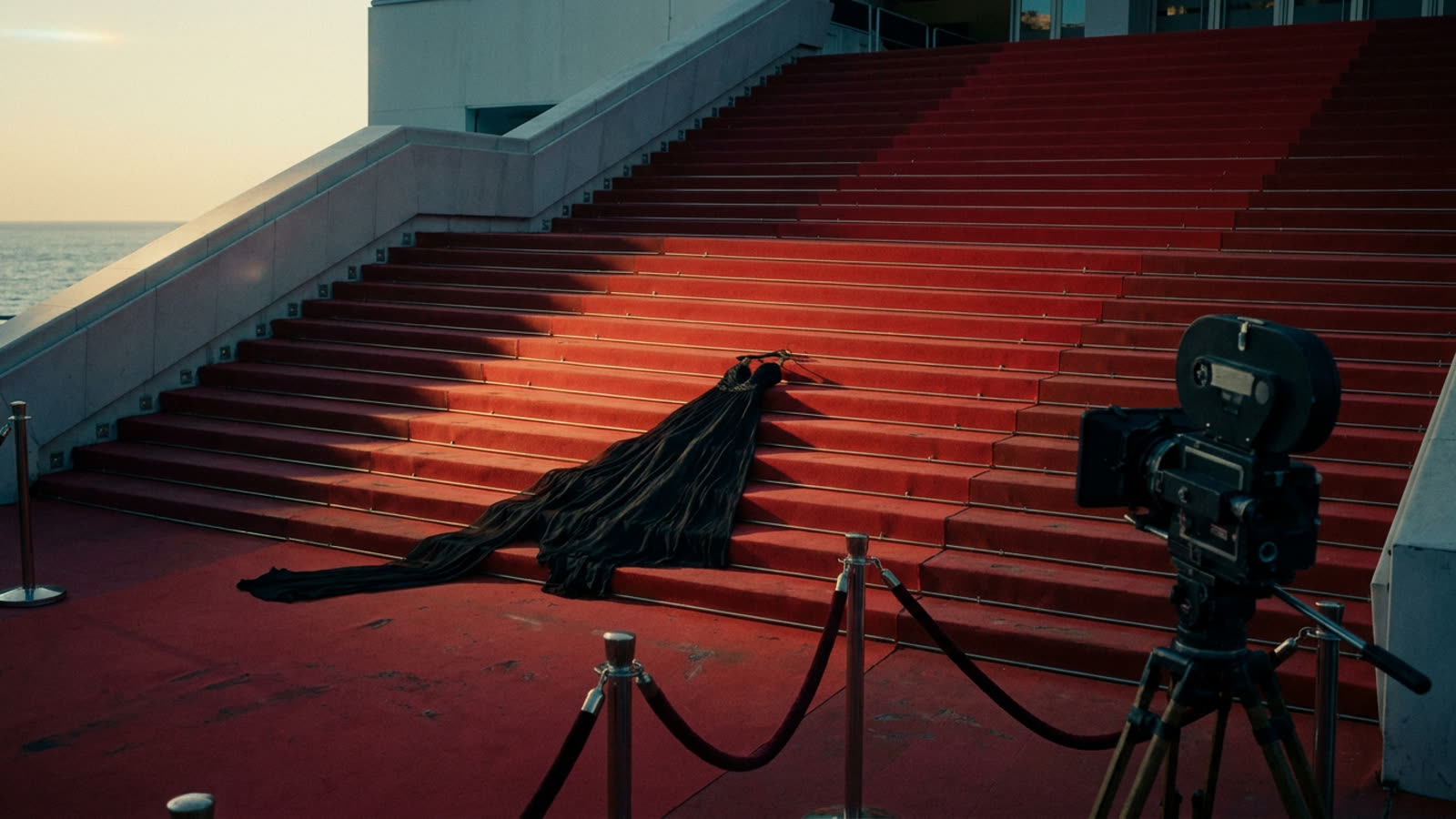
The Croisette is as sun-drenched as ever, the yachts still bob in the harbor, and the photographers still jostle for position on the red-carpeted steps of the Grand Théâtre Lumière. But this year, when the curtains part, the faces walking up those steps will look conspicuously different. Hollywood's major studios — the entities that once treated Cannes as the ultimate launchpad for prestige — have largely stayed home.
The retreat is not a single decision but a convergence of anxieties. Eye-watering costs, the unpredictable fury of social media pile-ons, and a string of high-profile misfires have led executives to a cold conclusion: the Cannes premiere, once a guaranteed publicity bonanza, has become a gamble with asymmetric downside.
The economics of spectacle
A major studio presence at Cannes has never been cheap, but the calculus has shifted. Between travel, security, talent commitments, and the elaborate parties that serve as informal dealmaking venues, a single premiere can run into the millions. In an era of tightening theatrical margins and streaming-first strategies, that spend is harder to justify — especially when the festival audience, however influential, represents a sliver of the global market. Studios increasingly ask whether the same budget might generate better returns through targeted digital campaigns or strategic platform drops.
The social media minefield
Cannes has always been a place where critics sharpen their knives, but the velocity of online discourse has transformed a lukewarm reception into something closer to a public execution. A single poorly received screening can spawn a thousand memes before the credits roll, tainting a film's commercial prospects months before release. For franchise tentpoles and awards hopefuls alike, the risk of an uncontrolled narrative emerging from the Palais has become a genuine strategic concern. Better, some argue, to control the rollout entirely.
A festival in transition
Cannes, for its part, is adapting. The festival has leaned further into auteur cinema, international co-productions, and streaming-backed projects willing to embrace the prestige play. The absence of traditional Hollywood product has, paradoxically, sharpened Cannes's identity as a curator of global cinema rather than a marketing waystation for American blockbusters. Whether that identity sustains the festival's commercial ecosystem — the market deals, the distribution agreements, the sheer gravitational pull of star power — remains an open question.
Our take
Hollywood's Cannes retreat is less about the festival's relevance than about the industry's own crisis of confidence. Studios have grown so allergic to risk, so fearful of the unscripted moment, that they would rather forfeit the world's most storied film stage than face the possibility of a bad headline. It is a telling admission: the town that built its mythology on spectacle now prefers the safety of the algorithm.