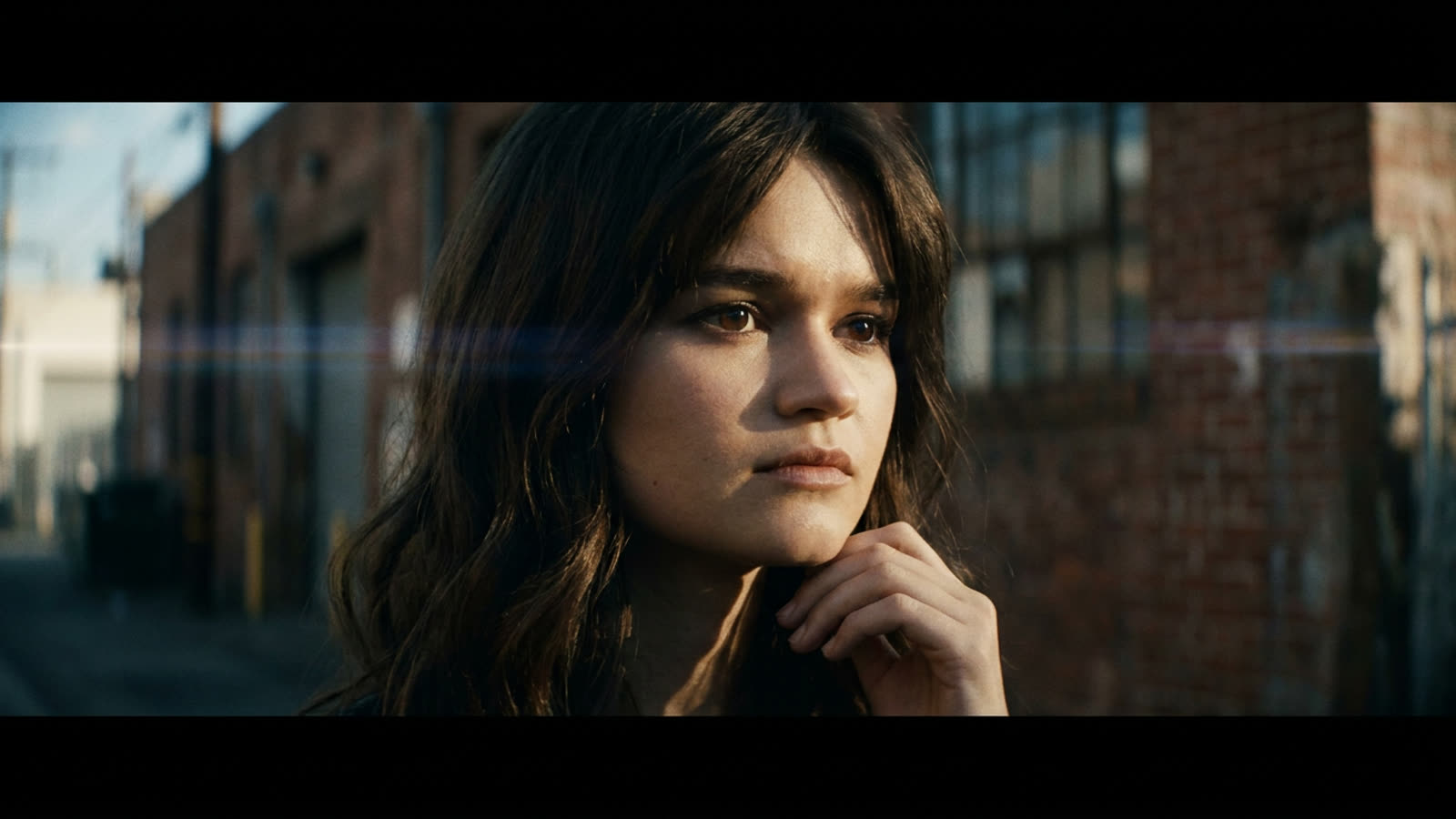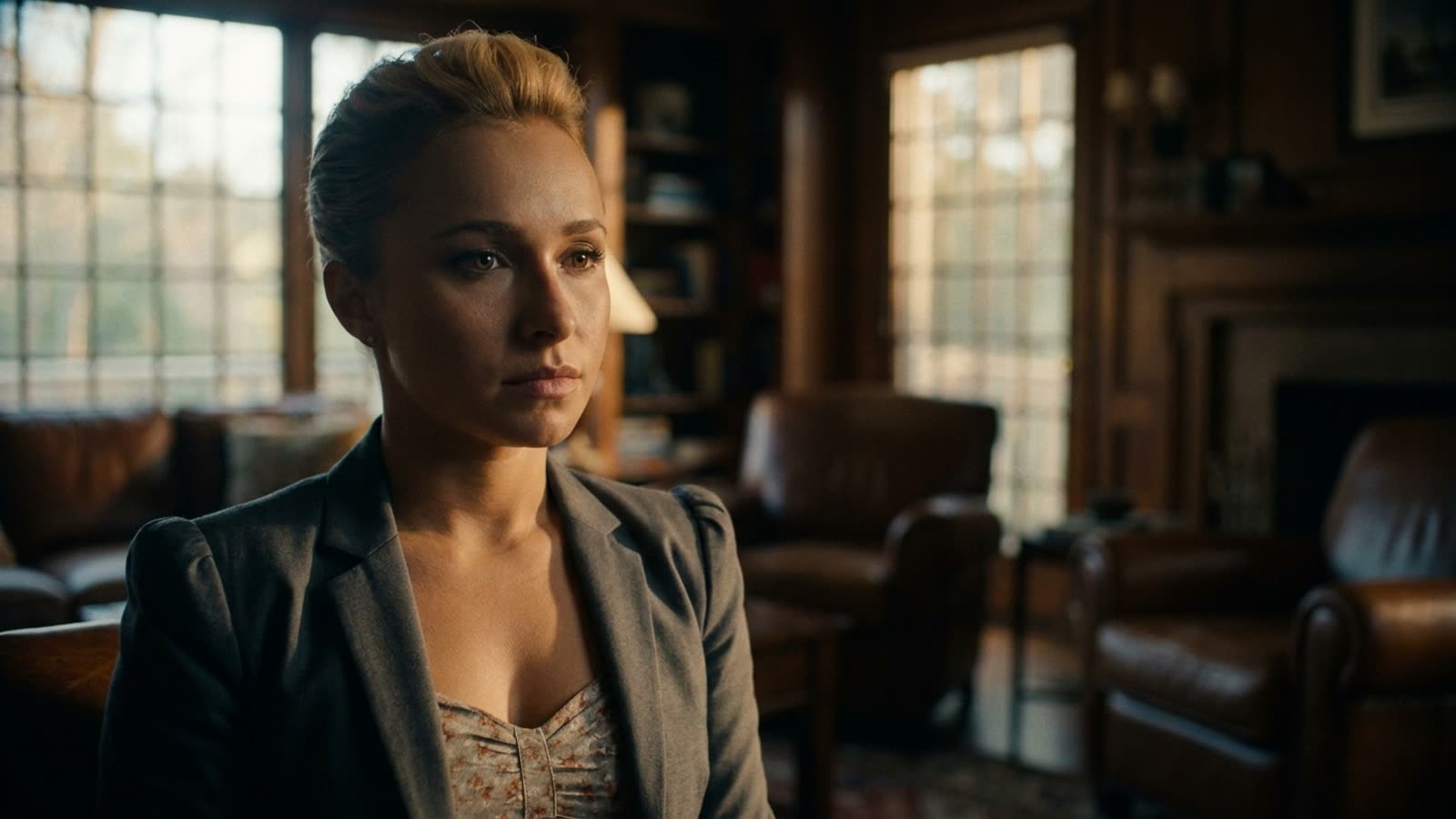
Hayden Panettiere has been talking about her postpartum depression for years now, but her latest disclosure adds a sharper edge: she turned to alcohol to cope. It is the kind of admission that sounds unremarkable outside the celebrity ecosystem—millions of women have done the same, often with far less access to help—but within Hollywood's carefully managed confessional culture, specifying the substance still carries weight.
The actress, now 36, first went public with her postpartum struggles in 2015, shortly after the birth of her daughter Kaya with then-partner Wladimir Klitschko. At the time, she was praised for her bravery, invited onto talk shows, and positioned as a mental health advocate. What followed was messier: rehab stints, a custody arrangement that sent Kaya to live with Klitschko in Ukraine, and tabloid speculation that never quite aligned with the empowerment narrative her team had constructed.
The gap between disclosure and support
Panettiere's story illuminates a persistent problem in how the entertainment industry processes maternal mental health. Celebrities are encouraged to share their struggles—it humanizes them, generates sympathetic coverage, and can even be monetized through partnerships with wellness brands. But the sharing is expected to follow a redemption arc: I suffered, I sought help, I emerged stronger. Panettiere's trajectory, with its relapses and ongoing complications, does not fit neatly into that template.
The alcohol component is particularly fraught. Postpartum depression is now discussed openly enough that it has lost some of its stigma, at least in progressive circles. Drinking to manage it, however, introduces the specter of maternal failure in ways that therapy or medication do not. The cultural script for new mothers still demands a kind of vigilant self-sacrifice that leaves little room for the messiest coping mechanisms.
What has actually changed
Since Panettiere first spoke out, the conversation around postpartum mental health has expanded considerably. The FDA approved the first drug specifically for postpartum depression in 2019. More celebrities have shared their experiences, from Chrissy Teigen to Serena Williams. Employers in some industries have begun to acknowledge that new mothers might need more than six weeks of leave.
Yet the fundamental tension remains: we want mothers to be honest about their struggles, but only if the honesty comes packaged with recovery. Panettiere's willingness to discuss the alcohol use—not as a past mistake neatly resolved, but as part of an ongoing reckoning—pushes against that boundary. Whether the industry and its audiences are ready to sit with that discomfort is another matter.
Our take
Panettiere deserves credit for refusing to sand down her story into something more palatable. The uncomfortable truth is that postpartum depression often coexists with substance use, and pretending otherwise helps no one. Hollywood's wellness industrial complex has gotten very good at commodifying struggle; it remains considerably worse at accommodating the people whose struggles do not resolve on a convenient timeline. If Panettiere's candor makes anyone uncomfortable, that discomfort is probably the point.