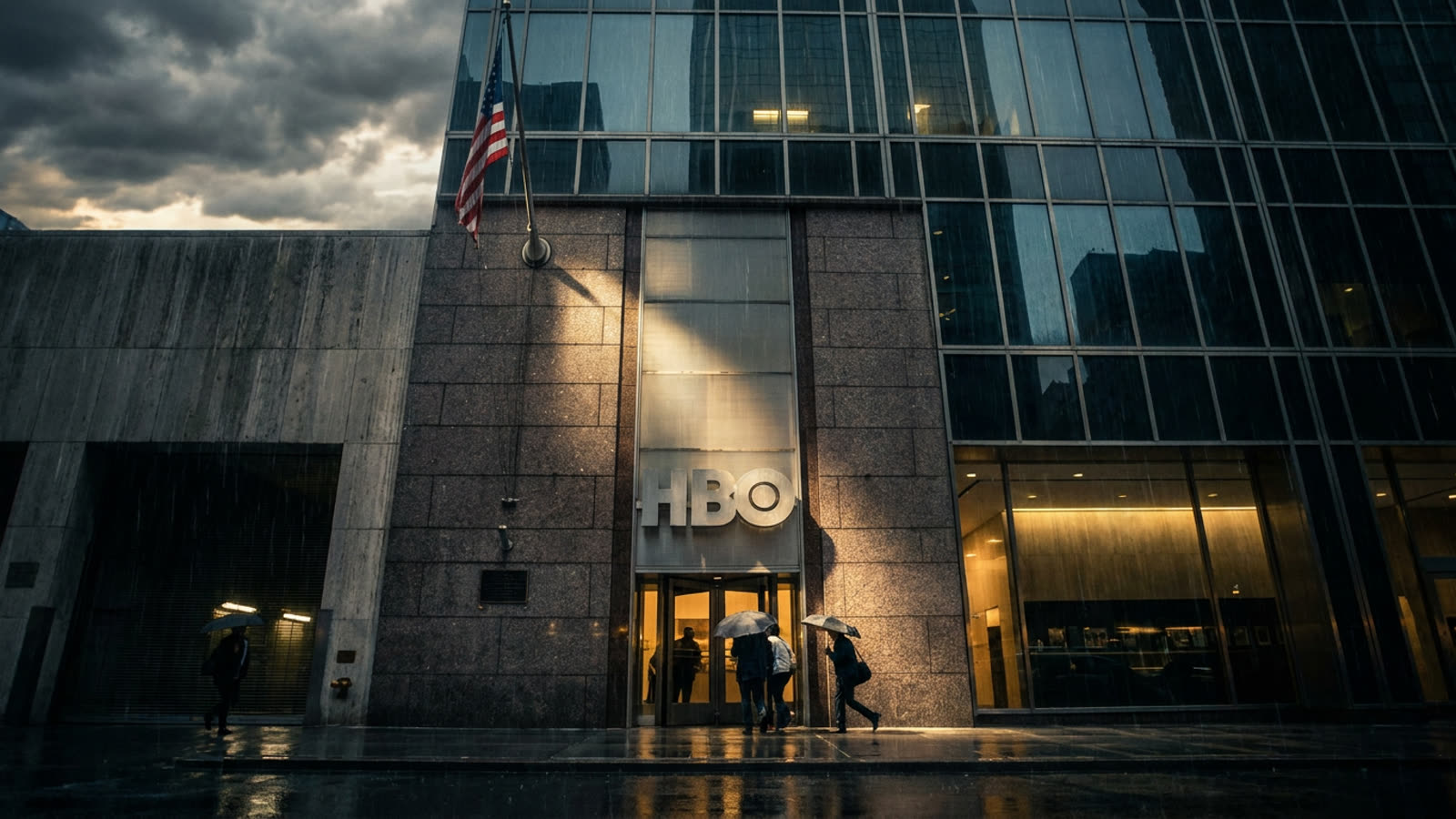
The most consequential character in Harry Potter's story—the girl who eventually marries the boy who lived—will be played by someone new when HBO's adaptation returns for its second season. Gracie Cochrane, who portrayed Ginny Weasley in the show's debut run, has exited the production, and the streaming giant is now searching for her replacement.
The news, confirmed Monday, arrives as the series prepares to adapt Chamber of Secrets, the book in which Ginny's role expands dramatically from background Weasley sibling to central plot device. Her possession by Tom Riddle's diary drives the entire narrative, making this the worst possible moment for a casting shuffle.
The child-actor math problem
HBO's Harry Potter reboot was always going to face a challenge the films largely avoided: time. The original movies compressed J.K. Rowling's seven books into a decade of production, allowing the same young actors to age roughly in sync with their characters. The television series, with its more deliberate pace and seasonal structure, has no such luxury. Seven books across seven seasons means seven years of production at minimum—and child actors have an inconvenient habit of growing up, booking other projects, or simply deciding they'd rather do something else with their adolescence.
Cochrane's departure, whatever its cause, is a preview of the instability to come. The show's ensemble includes dozens of young performers who will need to remain available, interested, and age-appropriate through what could easily become a decade-long commitment. Some attrition is inevitable.
The Ginny problem specifically
Recasting any Weasley would be disruptive, but Ginny presents unique difficulties. She is, by design, a slow-burn character—nearly invisible in the early books before emerging as Harry's love interest in the later installments. The films famously struggled to make this arc feel earned, with Bonnie Wright's Ginny often criticized as underwritten and underserved by the adaptation. HBO's version had an opportunity to plant seeds earlier, to give Ginny more texture before her narrative importance demanded it.
That opportunity now requires a new actress to inherit whatever groundwork was laid in season one. Audiences will need to accept a different face as the same character precisely when that character becomes impossible to ignore.
Our take
This is not a crisis, but it is a warning. HBO committed to the most ambitious adaptation in the franchise's history, one that promised fidelity to the source material and the breathing room to achieve it. The trade-off was always going to be volatility—the longer the production, the more variables escape control. Cochrane's exit is the first significant test of whether the show can absorb these inevitable disruptions without losing coherence. The wizarding world has survived worse. Whether HBO's version can remains to be seen.