The USMNT entered its last pre-World Cup friendly against Germany needing reassurance. It got a reminder instead.
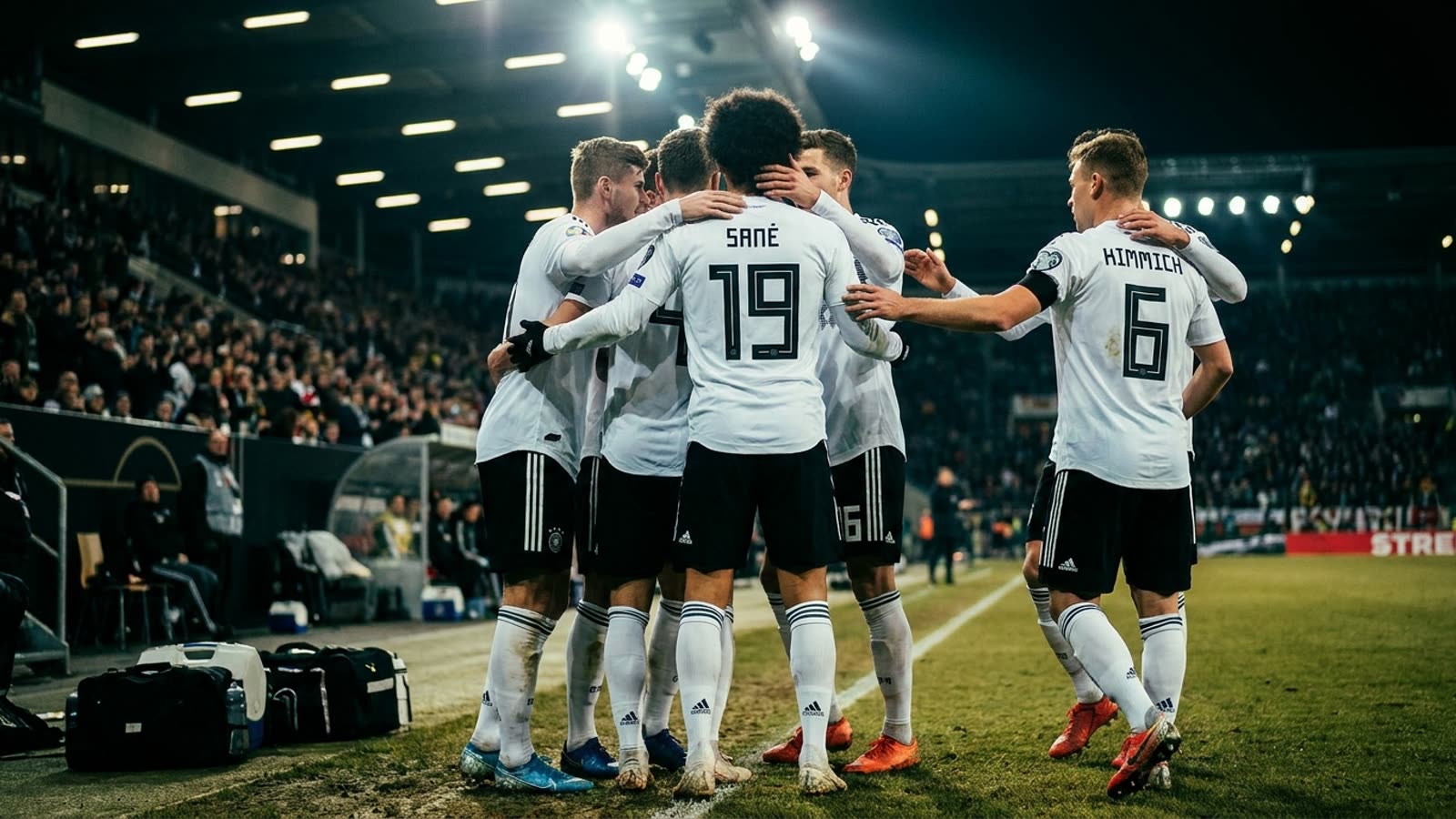
Germany struck early in what was supposed to be a confidence-building exercise for the host nation, and the manner of the goal will haunt Gregg Berhalter's staff as they finalize their squad for a tournament that begins in a matter of days. The Americans' backline, reshuffled repeatedly over the past eighteen months due to injuries and form fluctuations, looked exactly as unsettled as skeptics feared. Germany's pressing triggered the kind of transitional chaos that elite opponents will ruthlessly exploit when the stakes are real.
The defensive question that won't go away
Berhalter has cycled through center-back pairings like a man searching for lost keys in the dark. The core issue isn't personnel—the talent pool is deeper than any previous American generation—but chemistry. Defensive partnerships require repetition, shared instinct, the wordless communication that comes from hundreds of minutes together. The USMNT's injury luck has denied them this luxury. Against Germany, the seams showed: a half-beat of hesitation on a switch, a miscommunicated offside trap, the kind of micro-failures that separate tournament also-rans from semifinalists.
What Germany revealed about themselves
Julian Nagelsmann's side looked sharp but not invincible. Their early goal came from American disorganization rather than German brilliance, and the hosts created enough half-chances to suggest they can trouble anyone on a good day. The problem is that World Cup knockout rounds rarely arrive on good days. Germany's midfield control was impressive, their pressing coordinated, but they didn't demonstrate the killer instinct that would terrify a Spain or France. For the USMNT, this is cold comfort: you don't need to beat Germany to advance from the group stage, but you do need to avoid the kind of defensive lapses that gift goals to anyone.
The Berhalter conundrum
The manager's job security has been debated endlessly, and this friendly won't silence critics. Berhalter's tactical flexibility is real—he's shown willingness to adjust formations and personnel based on opponents—but flexibility without a settled spine is just improvisation. The World Cup will demand both. With the tournament on home soil, anything short of the quarterfinals will be framed as failure, and the early evidence suggests the Americans are one defensive injury away from genuine crisis.
Our take
Host nations receive favorable draws and fervent crowds, but they don't receive extra time to solve fundamental problems. The USMNT's attacking talent—Pulisic, Reyna, Weah—can trouble anyone, but World Cups are won by teams that don't beat themselves. Germany's early strike was a preview of what awaits if Berhalter can't find defensive stability in the next seventy-two hours. The Americans remain capable of a deep run. They also remain capable of an early exit that would set the program back years. The margin between those outcomes is thinner than anyone in US Soccer wants to admit.