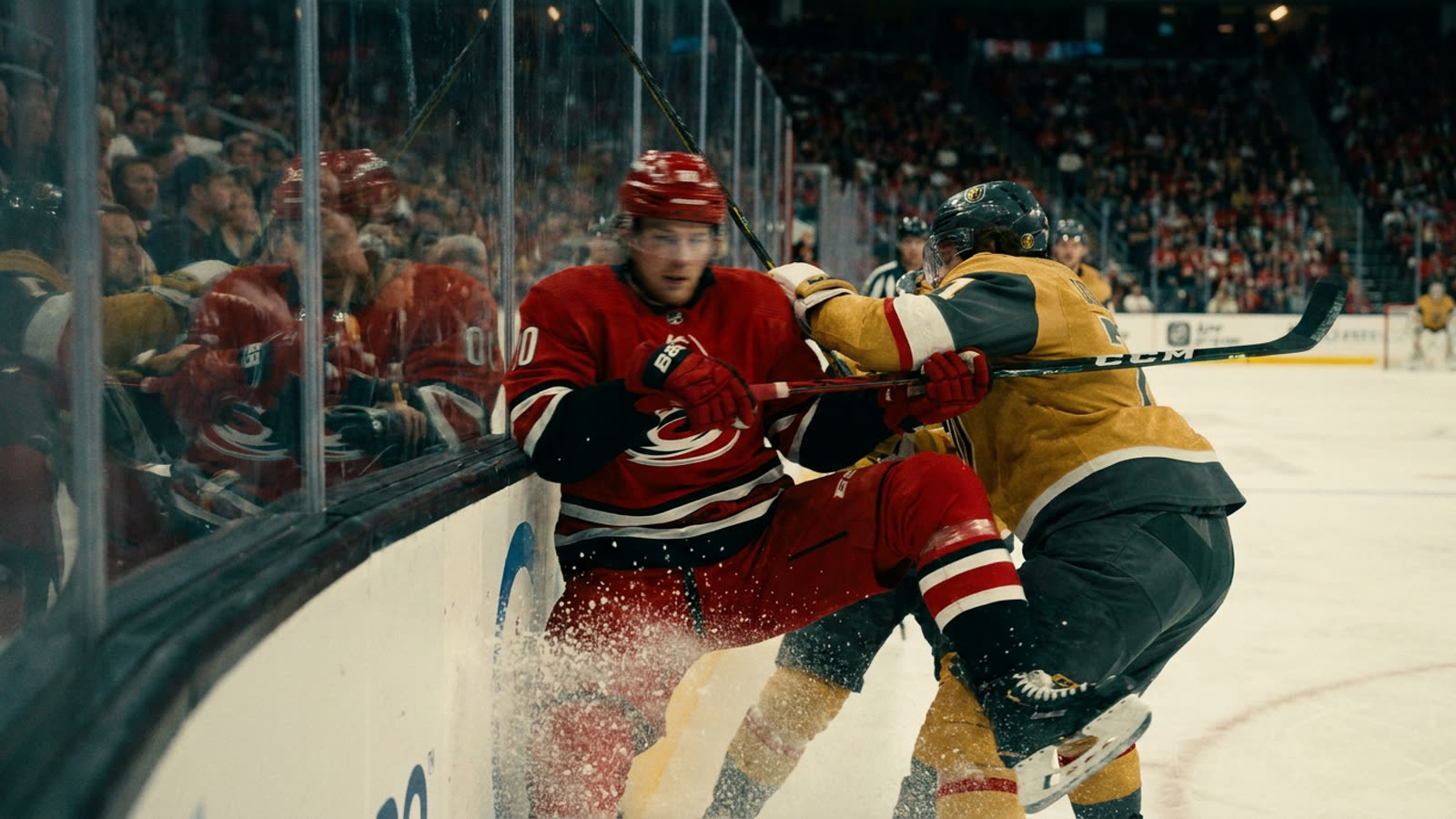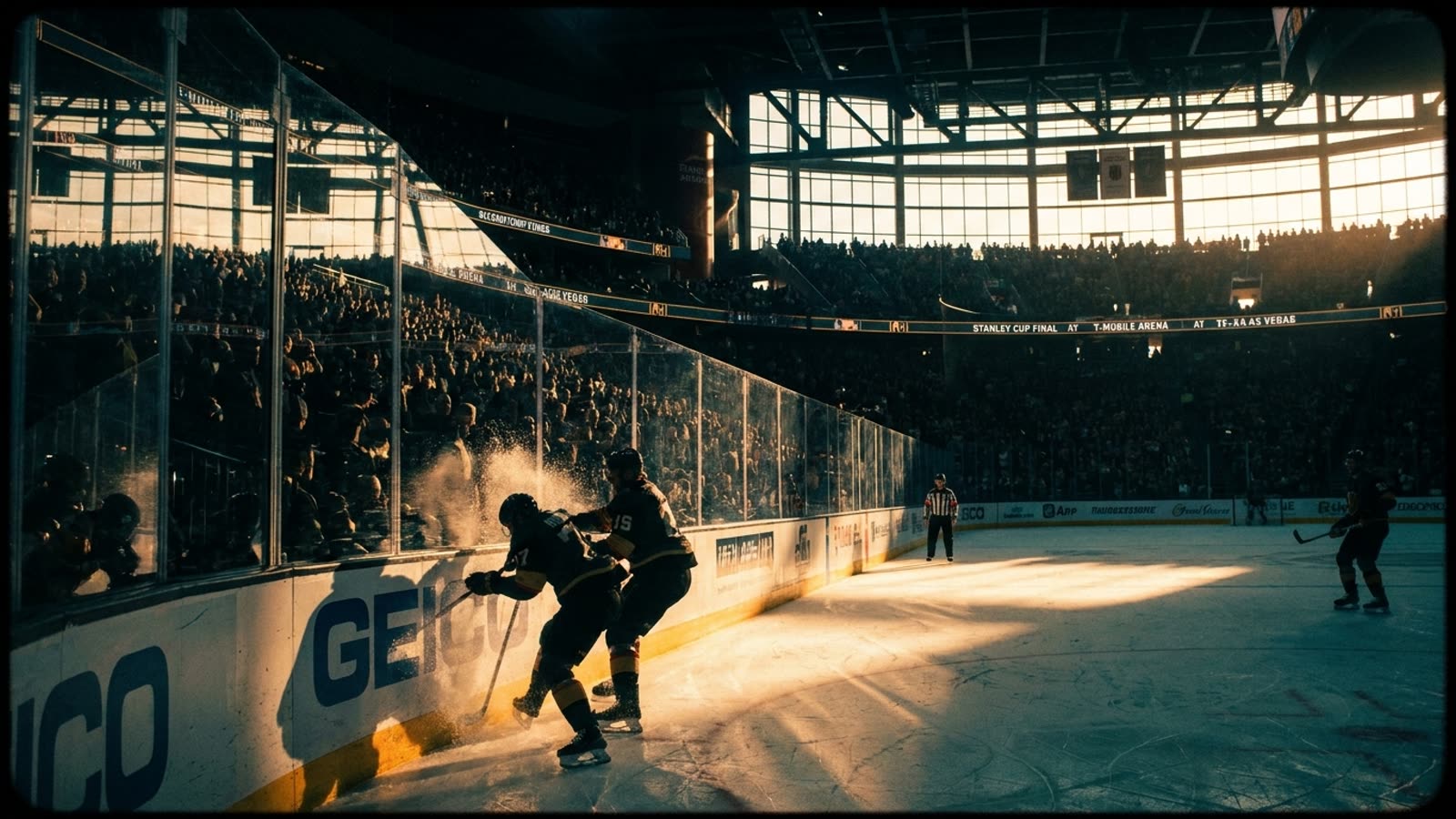
Every Stanley Cup Final has a moment where the narrative crystallizes, where one team seizes psychological control and the other begins the slow work of chasing. Game 3 in Vegas is that moment.
The Carolina Hurricanes and Vegas Golden Knights arrive at T-Mobile Arena on Friday night with the series knotted at one game apiece, a deceptive parity that obscures the dramatically different paths each team took to get here. Carolina's overtime victory in Game 2 was the kind of resilient, opportunistic win that championship teams reference for years afterward. Vegas, meanwhile, must reckon with the uncomfortable reality that home-ice advantage means nothing if you cannot protect a lead in the final minutes of regulation.
The Hurricanes' blueprint is working
Carolina's defensive structure has been the story of this series, though not in the way casual observers might assume. The Hurricanes are not simply clogging passing lanes and hoping for the best—they are actively dictating tempo, forcing Vegas into the perimeter shots that their goaltending can handle while generating their own chances through relentless forechecking. The Golden Knights entered this Final averaging nearly four goals per game in the playoffs. Through two games against Carolina, they have managed three total.
Rod Brind'Amour's system demands buy-in from every skater, and his roster has delivered. The depth scoring that carried Carolina through the Eastern Conference has continued, with third-line contributions proving decisive in both contests. Vegas, by contrast, has leaned heavily on its top six, a workload imbalance that tends to compound as series grow longer.
Vegas needs its stars to be stars
The Golden Knights built their roster for moments precisely like this one, investing heavily in proven playoff performers who have hoisted Cups before. Yet through two games, that experience has not translated into dominance. The top line has generated chances but finished poorly. The power play, a weapon throughout the Western Conference bracket, has sputtered against Carolina's aggressive penalty kill.
Bruce Cassidy faces a tactical dilemma: does he shuffle his combinations searching for chemistry, or trust that his proven commodities will eventually produce? Game 3 at home, with a raucous crowd and last change, would seem the ideal environment to let his stars cook. But Carolina has shown no inclination to be intimidated by atmosphere or reputation.
The goaltending duel tilts east
Both netminders have been excellent, but Carolina's Frederik Andersen has been fractionally better in the moments that matter most. His positioning in high-danger situations has been textbook, and his rebound control—often a vulnerability earlier in his career—has been exceptional. Vegas will need to generate more second-chance opportunities if they hope to solve him, which means winning more battles along the boards and in front of the crease.
Our take
Game 3 is a must-win for Vegas in everything but the technical sense. Falling behind 2-1 with two of the remaining four games in Raleigh would require the Golden Knights to win three of four against a team that has now demonstrated it can beat them in any building. Carolina has the structure, the depth, and increasingly the confidence. Vegas has the talent and the home crowd. Friday night will reveal which currency holds more value in June.