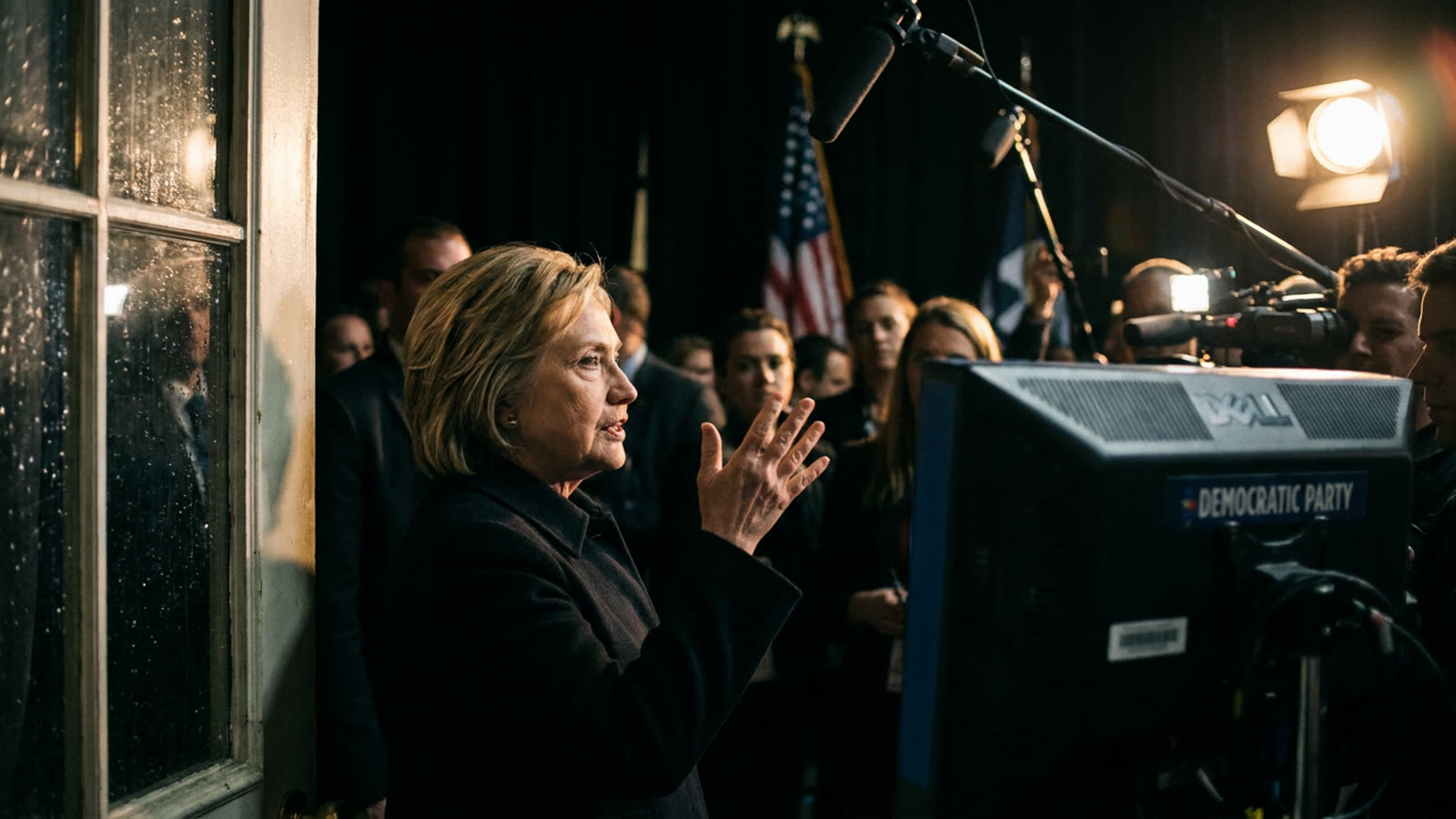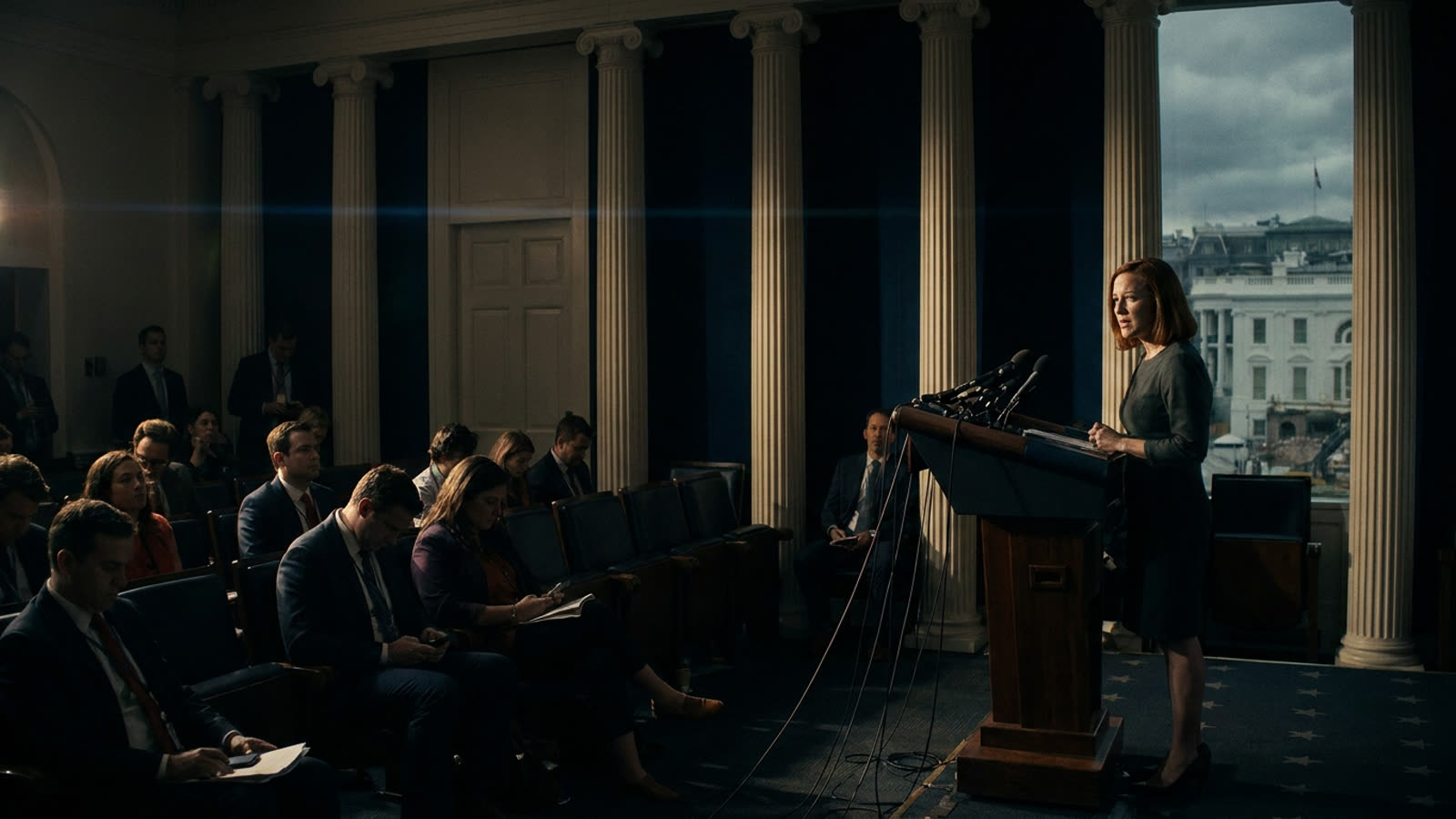
The most revealing detail about the current state of the Trump White House is not the policy chaos or the staff departures—it is the silence from the president himself about fixing any of it.
According to reporting from inside 1600 Pennsylvania Avenue, the West Wing has descended into a kind of administrative paralysis that would alarm any conventional administration but appears to suit this one just fine. Decision-making has slowed to a crawl. Senior advisers operate in silos, often unaware of what their colleagues are doing. The chief of staff's authority has eroded to the point where multiple factions compete for presidential attention through back channels, social media, and cable news appearances.
The Architecture of Dysfunction
What distinguishes this paralysis from the chaos of Trump's first term is its apparent permanence. In 2017, the revolving door of chiefs of staff and senior advisers suggested a president searching for the right team. In 2026, the dysfunction has calcified into something resembling intentional design.
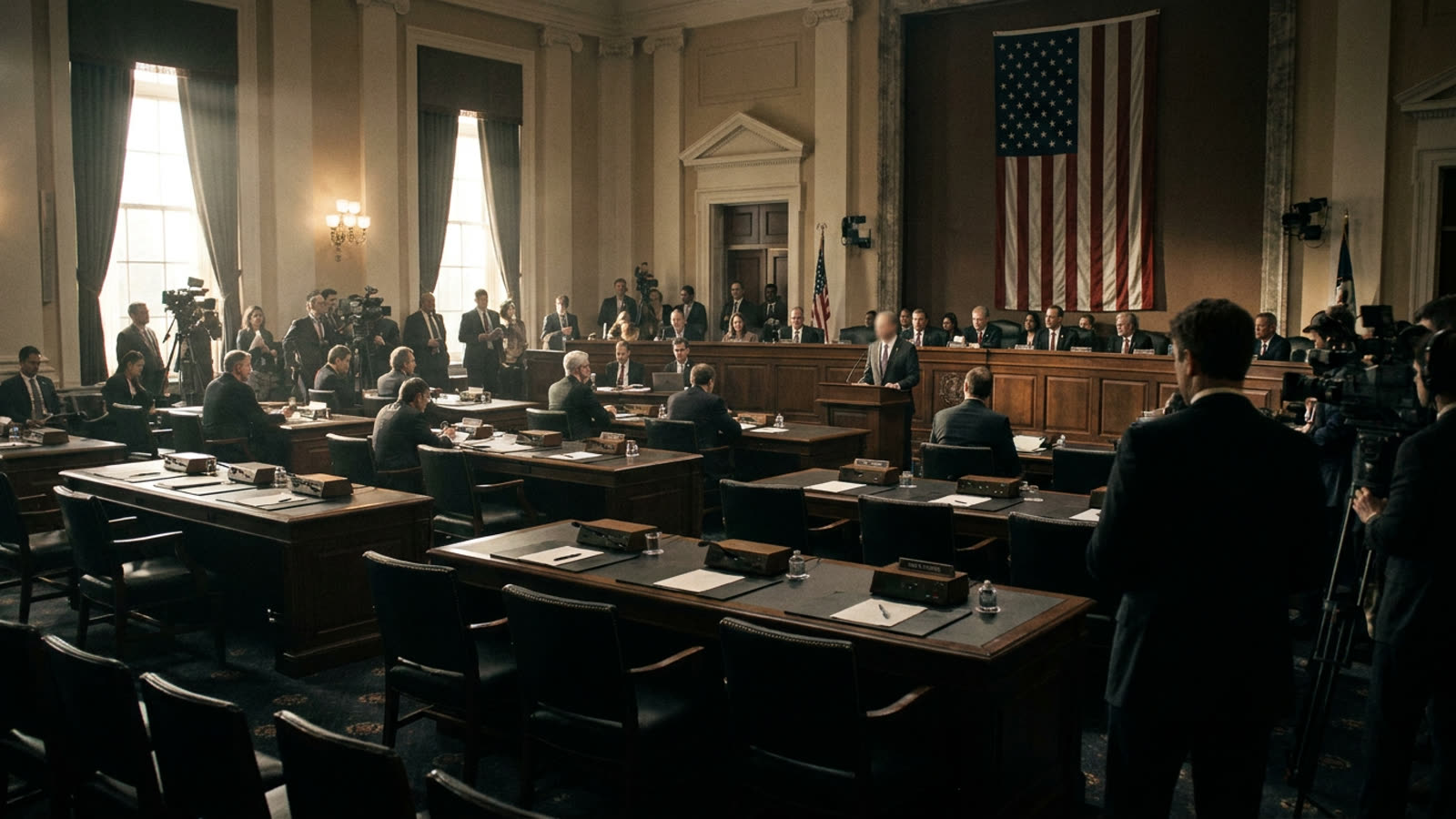
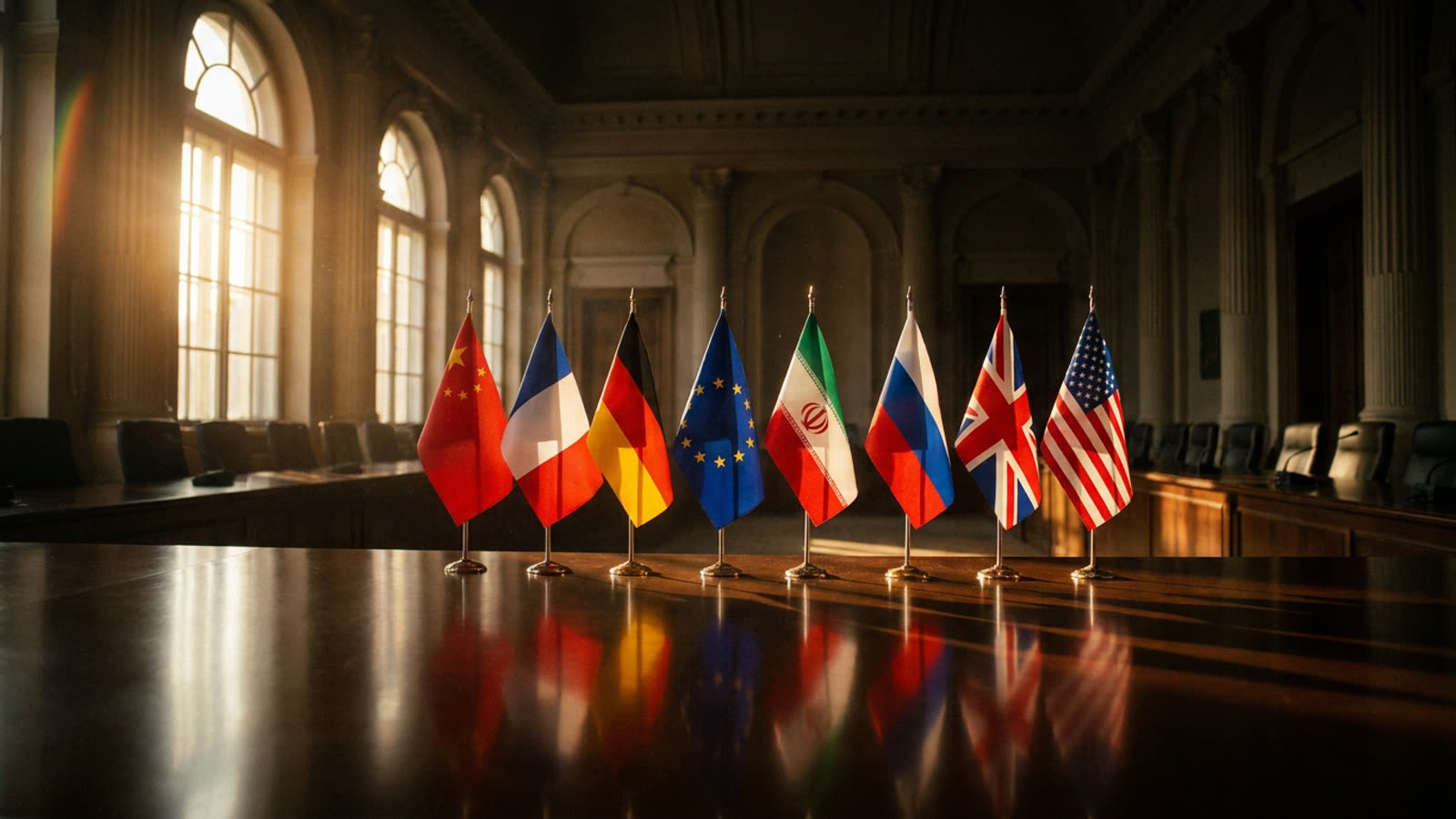
The Iran ceasefire negotiations offer a window into the problem. While Trump touts the agreement as a historic achievement, lawmakers from both parties complain they have been kept almost entirely in the dark about its terms. The president has promised to release the text "in a couple of days"—a timeline that stretches credibility given that the agreement was supposedly finalized last week. Meanwhile, the Senate narrowly blocked yet another attempt to reassert congressional war powers, leaving the constitutional questions unresolved.
This is governance by improvisation, where the absence of process becomes the process itself.
Why It Works (For Him)
The conventional wisdom holds that presidential power depends on institutional capacity—the ability to translate executive decisions into coordinated action across the vast federal bureaucracy. Trump has spent two terms proving that a different model exists: power through disruption, where keeping everyone off-balance becomes its own form of control.
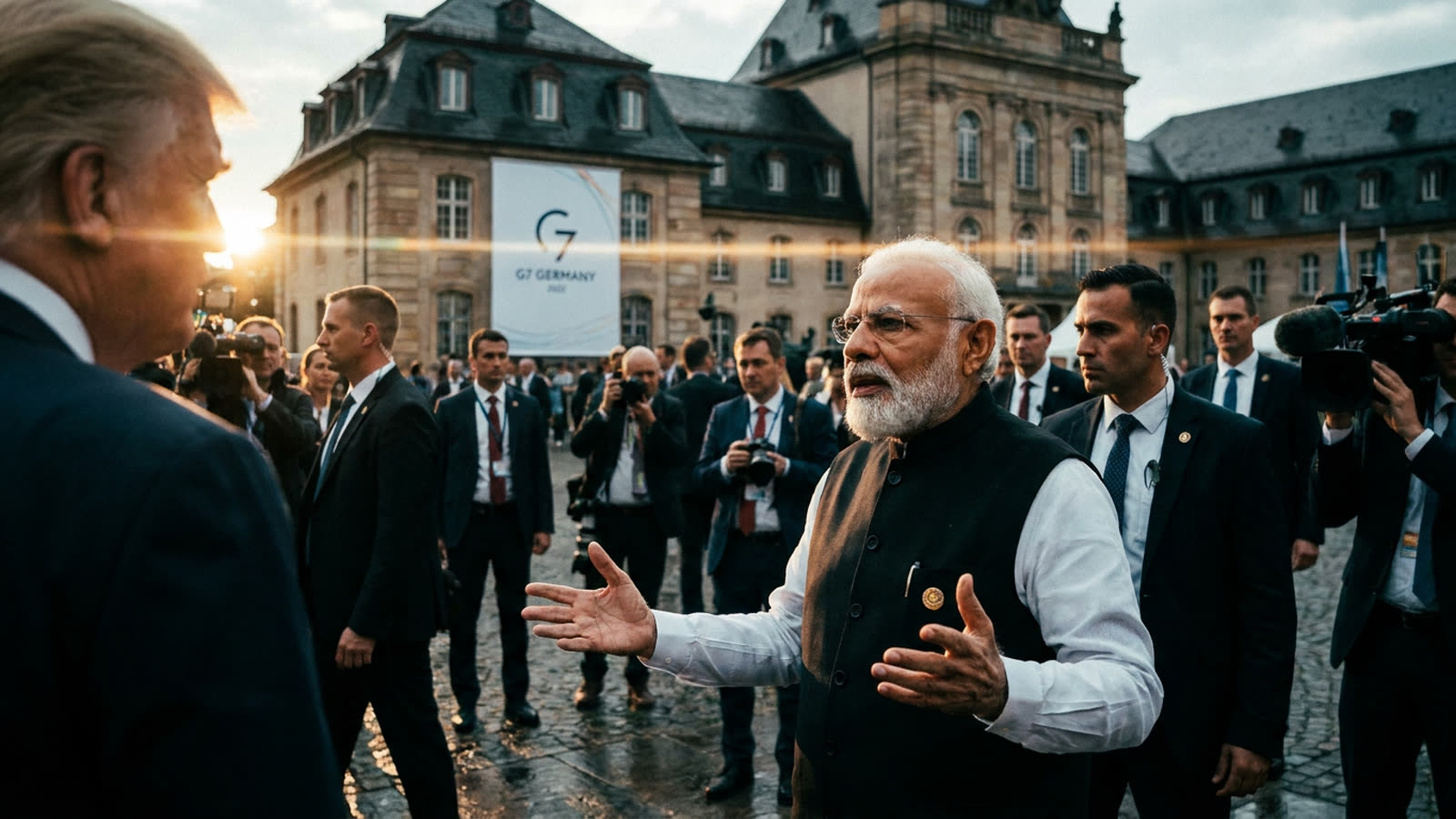
Staff cannot leak a coherent strategy if no coherent strategy exists. Congressional opponents cannot outmaneuver a White House that changes positions faster than oversight committees can convene. Foreign adversaries cannot predict an administration that does not predict itself.
The cost, of course, is paid in policy outcomes. The Iran deal remains shrouded in ambiguity. The $300 billion question of implementation hangs unanswered. Allies who once coordinated with Washington now hedge their bets, unsure whether today's commitment will survive tomorrow's presidential mood.
The Kemp Factor
The dysfunction extends to domestic politics as well. In Georgia, where the president's complicated relationship with Governor Brian Kemp continues to shape Republican fortunes, former Atlanta Mayor Keisha Lance Bottoms offered a blunt assessment: Trump has "caused havoc" in state elections. The observation lands differently in 2026 than it might have in 2020. Back then, the havoc was seen as a bug. Now it looks more like a feature—a way of keeping potential rivals perpetually destabilized.
The question for Republicans heading into the midterms is whether a paralyzed White House helps or hurts their chances. The answer may depend on whether voters distinguish between presidential dysfunction and presidential strength.
Our Take
There is a tendency to view White House chaos as failure, as if every administration should aspire to the orderly briefing books of a Bush or Obama. But Trump has never operated that way, and eighteen months into his second term, it seems unlikely he will start. The paralysis is not a problem to be solved—it is the governing philosophy itself. Whether the country can sustain four years of it is a different question, one that the 2026 midterms may begin to answer.