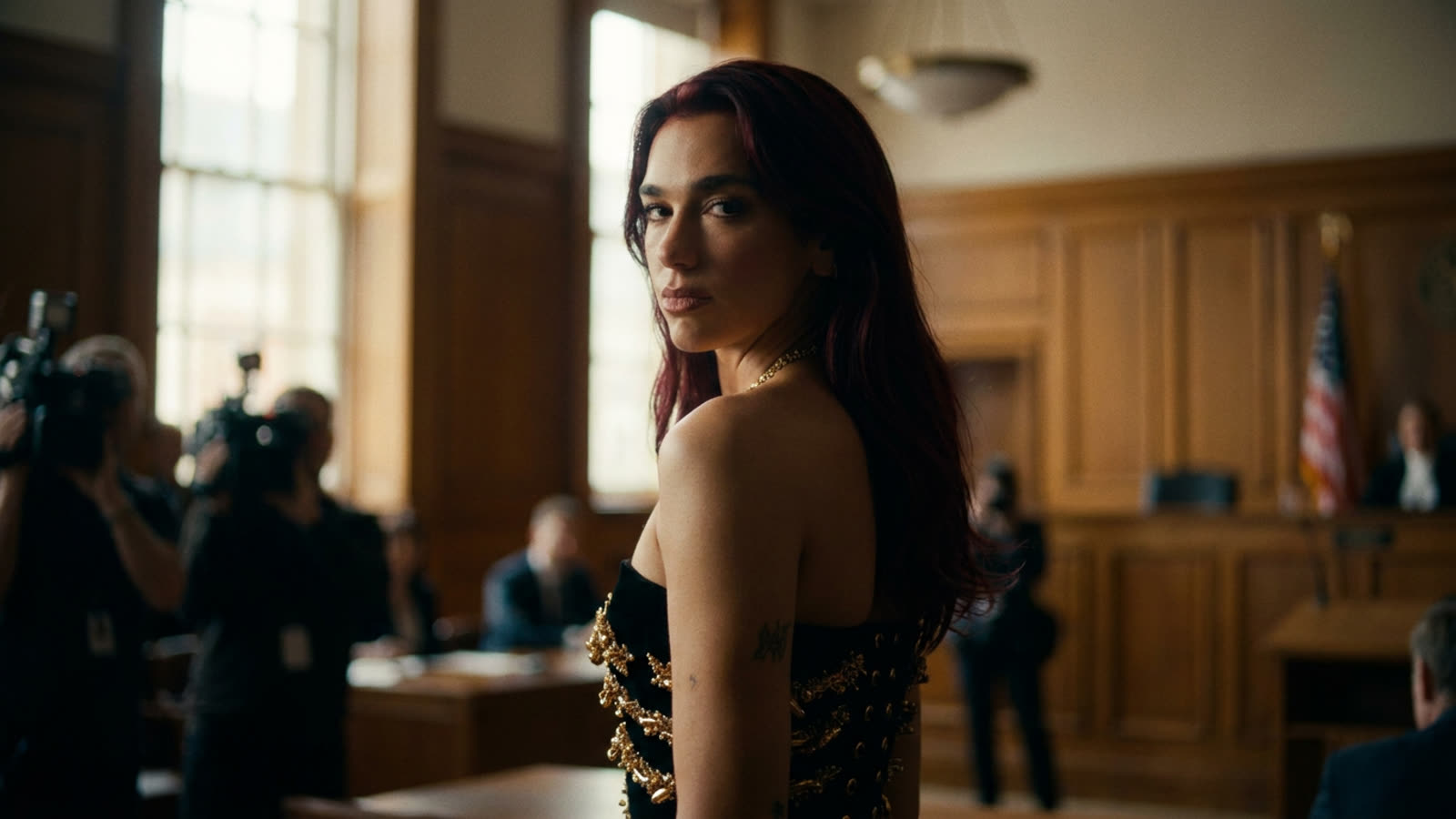
The question of what a famous face is worth has never been more fraught. Dua Lipa filed suit against Samsung on Friday, seeking $15 million in damages for what she alleges was the unauthorized use of her likeness to sell televisions. The complaint claims Samsung deployed her image in marketing materials without compensation or consent—a straightforward enough grievance that opens onto far murkier terrain about celebrity, commerce, and the increasingly blurred line between the two.
The specifics, according to the filing, involve Samsung incorporating Lipa's image into promotional content for its television products. No licensing deal was struck. No check was cut. The implication is that Samsung calculated the value of associating its hardware with one of pop's biggest names and decided to take it anyway.
The economics of a face
Celebrity endorsement deals operate on a simple premise: a famous person's association with a product transfers some ineffable quality—coolness, trust, aspiration—to that product. The going rate for someone of Lipa's stature typically runs into eight figures for a proper campaign. Samsung, which has historically paid handsomely for celebrity partnerships (BTS, most notably), would have known exactly what they were getting and what it should cost. The $15 million figure Lipa is seeking likely reflects what a legitimate deal would have commanded, plus damages.
What makes this case notable is the context. We are living through a moment of profound anxiety about image rights, driven largely by generative AI's ability to conjure convincing likenesses of real people. Actors struck over it. Musicians are fighting it. Estates of dead celebrities are monetizing it. The legal and ethical frameworks around who owns a face—and what unauthorized use of that face is worth—are being stress-tested constantly.
Why Samsung, why now
Samsung is not some scrappy startup hoping no one notices. It is one of the world's largest consumer electronics companies, with a legal department that presumably understands intellectual property and publicity rights. If the allegations hold, the decision to use Lipa's image without authorization would represent either remarkable sloppiness or a calculated bet that settling would cost less than licensing. Neither reflects well.
For Lipa, the suit is partly about money and partly about principle. Celebrities at her level are acutely aware that their image is a finite, depreciating asset. Every unauthorized use dilutes its value and undermines their ability to command premium rates for legitimate partnerships. Letting Samsung slide would invite others to try the same.
Our take
This lawsuit will likely settle quietly, with Samsung writing a check and everyone signing NDAs. But the underlying tension it exposes will not disappear. As AI makes it trivially easy to generate, manipulate, and deploy celebrity likenesses, the question of consent and compensation will only grow more contentious. Lipa is drawing a line not just for herself but for an entire industry of people whose faces are their fortunes. Samsung can afford the $15 million. What it cannot afford is to be the test case that establishes just how expensive unauthorized appropriation can get.