The world's reserve currency is having an identity crisis, and the timing could not be worse.
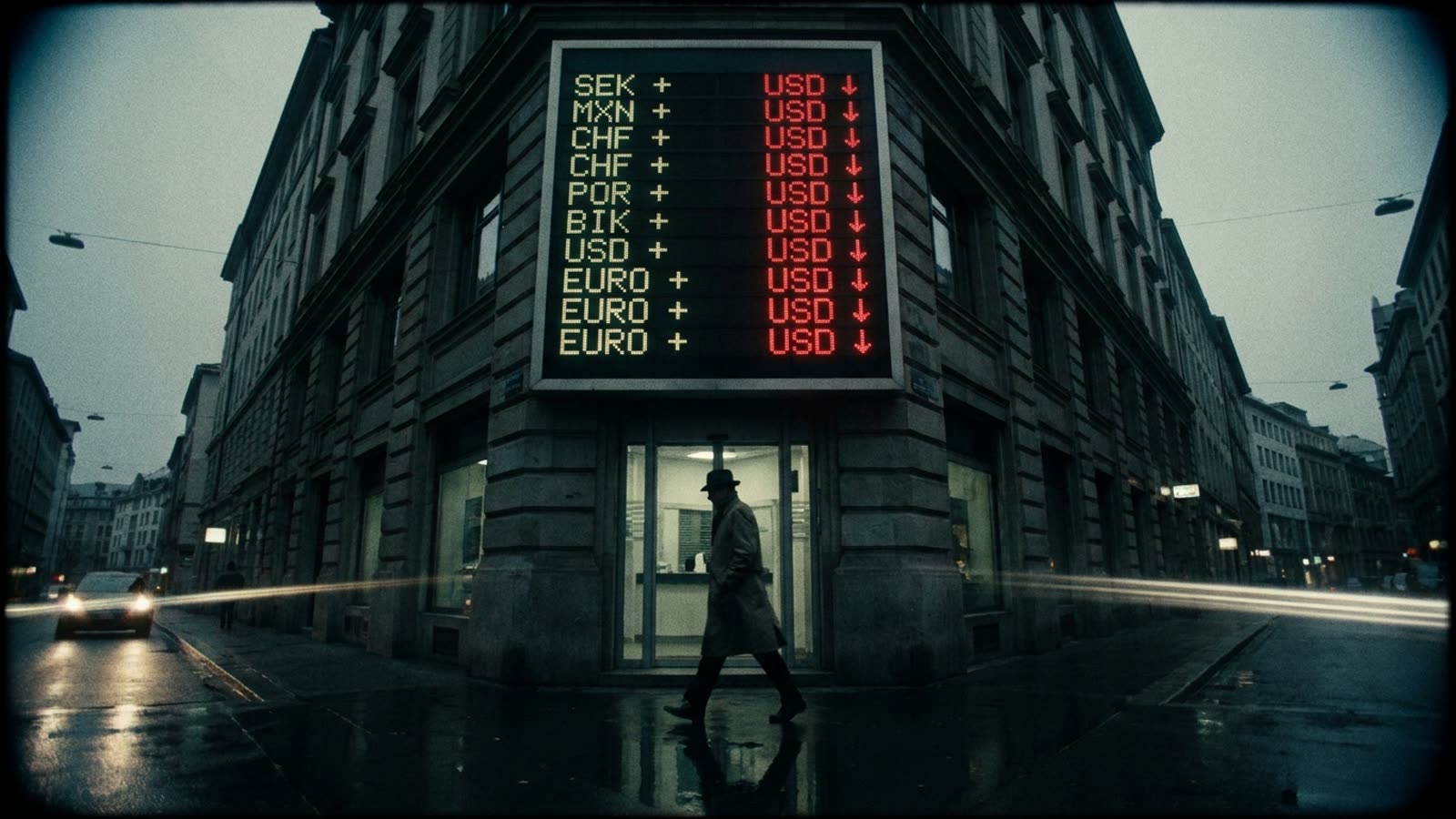
The dollar index has drifted lower over the past week, unable to find conviction in either direction as traders attempt to reconcile two competing narratives: a Federal Reserve that may need to stay hawkish longer than hoped, and a Middle East conflict that traditionally sends capital fleeing toward American assets but is now generating as much confusion as clarity. The result is a currency market that resembles a nervous system on high alert—twitching at every headline, committing to nothing.
The Rate Calculus
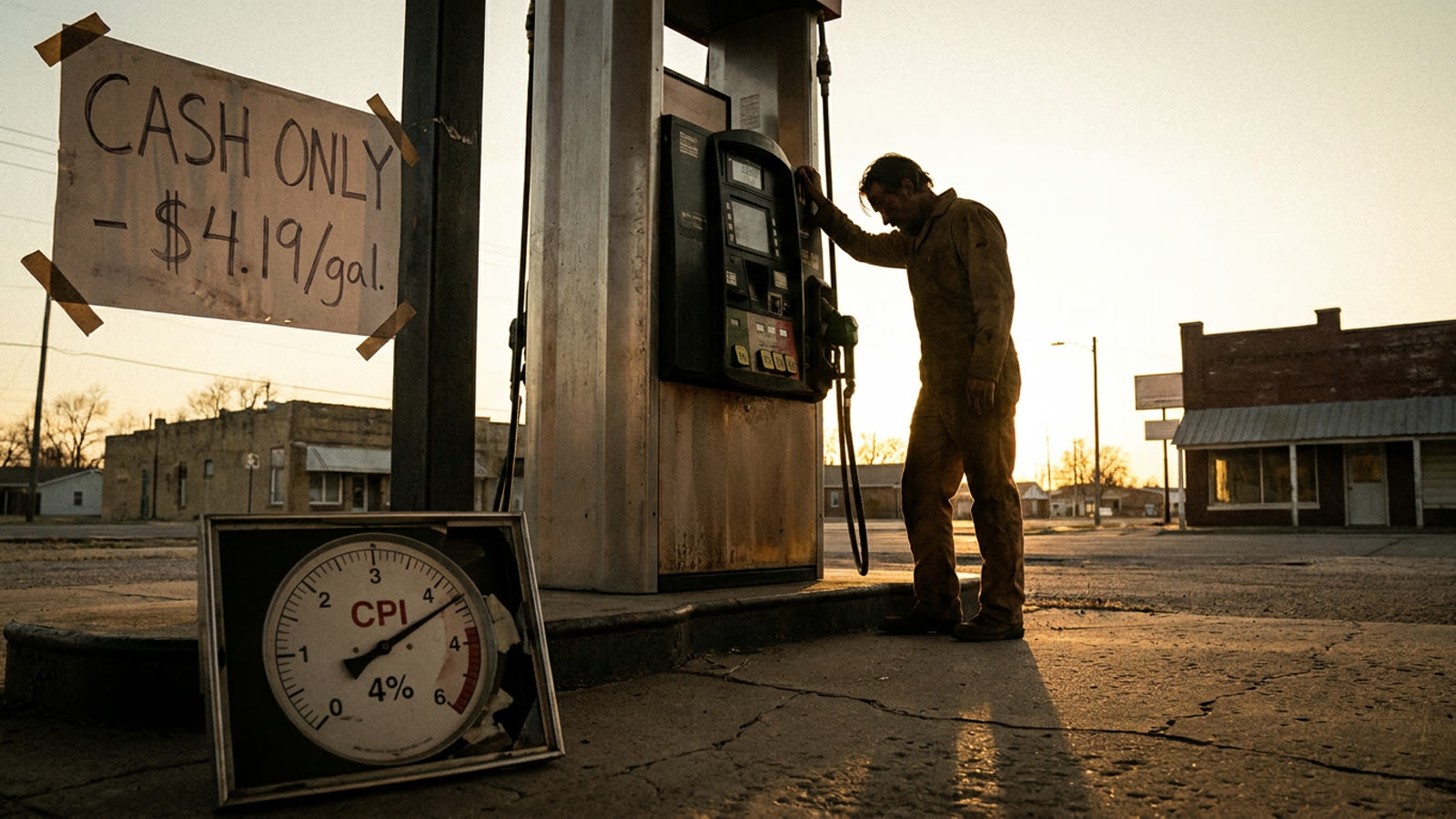
June's inflation print landed hot, with consumer prices climbing to four percent on the back of energy shocks tied to the Iran conflict. Under normal circumstances, persistent inflation would be unambiguously dollar-positive: higher-for-longer rates mean better yields on dollar-denominated assets, drawing capital from Europe, Japan, and emerging markets. But these are not normal circumstances.
The Fed faces a genuine dilemma. Raising rates further risks tipping an already-strained economy into recession, particularly with oil prices elevated and consumer sentiment fragile. Yet holding steady while inflation runs above target undermines the central bank's credibility—the very credibility that underpins the dollar's reserve status. Currency markets are pricing in this uncertainty, and the result is paralysis rather than direction.
The Geopolitical Fog
Middle East tensions have historically been straightforward for dollar bulls: conflict means risk-off, risk-off means dollar strength. But the current Iran situation is muddying that playbook. The administration's erratic signaling—threats of escalation one day, hints of negotiation the next—has left markets unable to price the tail risks coherently. Is this a prelude to a broader regional war that would send oil to $150 and the dollar soaring? Or a negotiating bluff that will resolve into détente and a crude price collapse?
Investors hate uncertainty more than bad news, and right now they have uncertainty in abundance. The euro and yen have both found modest bids not because European or Japanese fundamentals have improved, but because traders are diversifying away from a dollar whose near-term path has become genuinely unknowable.
What the Technicals Say
The dollar index is hovering near technical support levels that have held since late 2024. A decisive break lower would signal a regime change—the first sustained dollar weakness since the Fed began its tightening cycle. A bounce would confirm that the greenback's safe-haven status remains intact despite the noise. Neither outcome is obviously more likely, which is precisely the problem.
Our take
The dollar's current wobble is not a crisis, but it is a warning. Reserve currencies do not lose their status overnight; they lose it gradually, through accumulated episodes of policy incoherence and geopolitical mismanagement. The combination of an inflation-fighting Fed hamstrung by political pressure and a foreign policy that oscillates between belligerence and retreat is not a recipe for long-term confidence. The dollar will probably find its footing eventually—it usually does. But the margin for error is shrinking, and the rest of the world is watching more closely than Washington seems to realize.