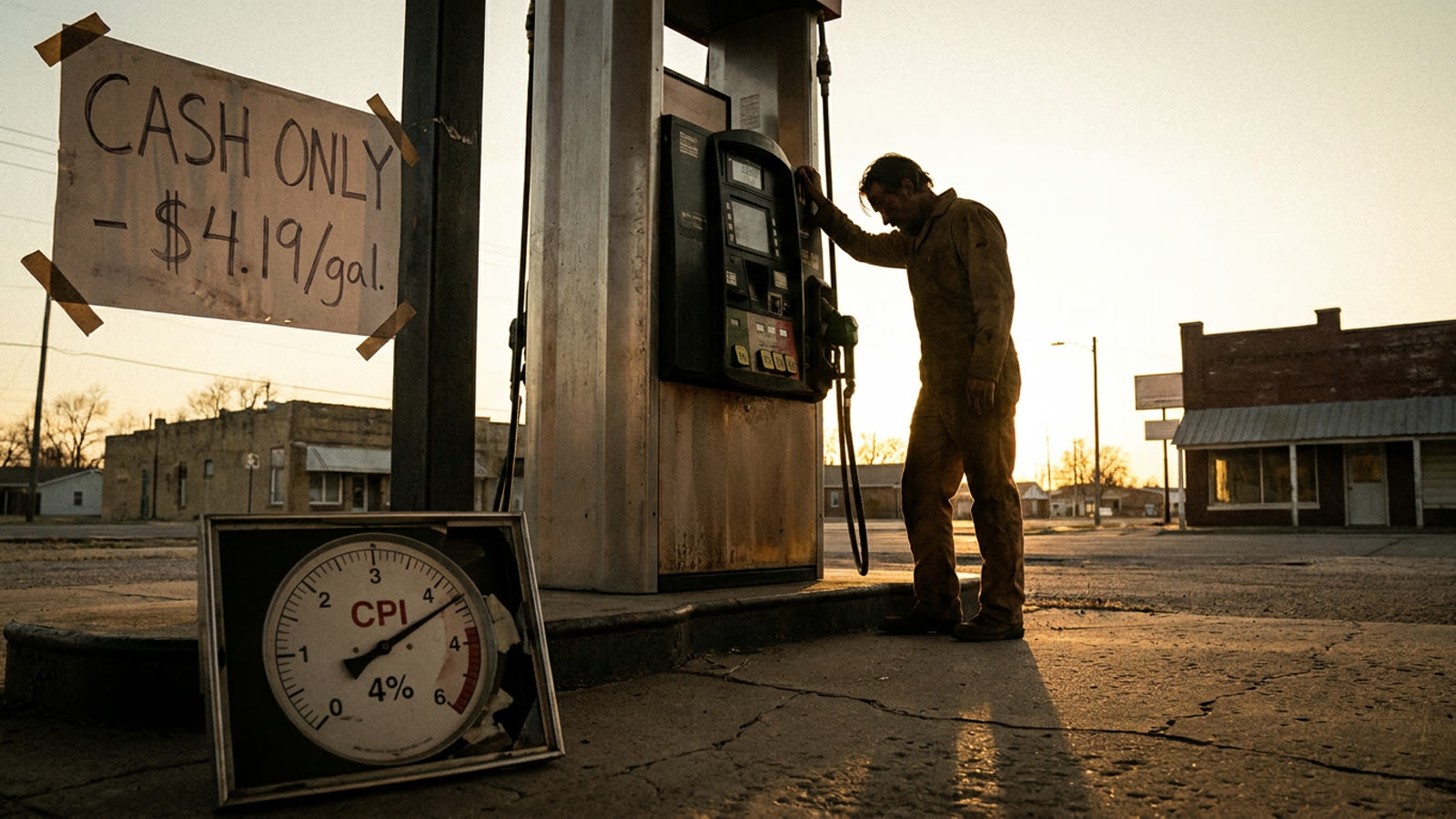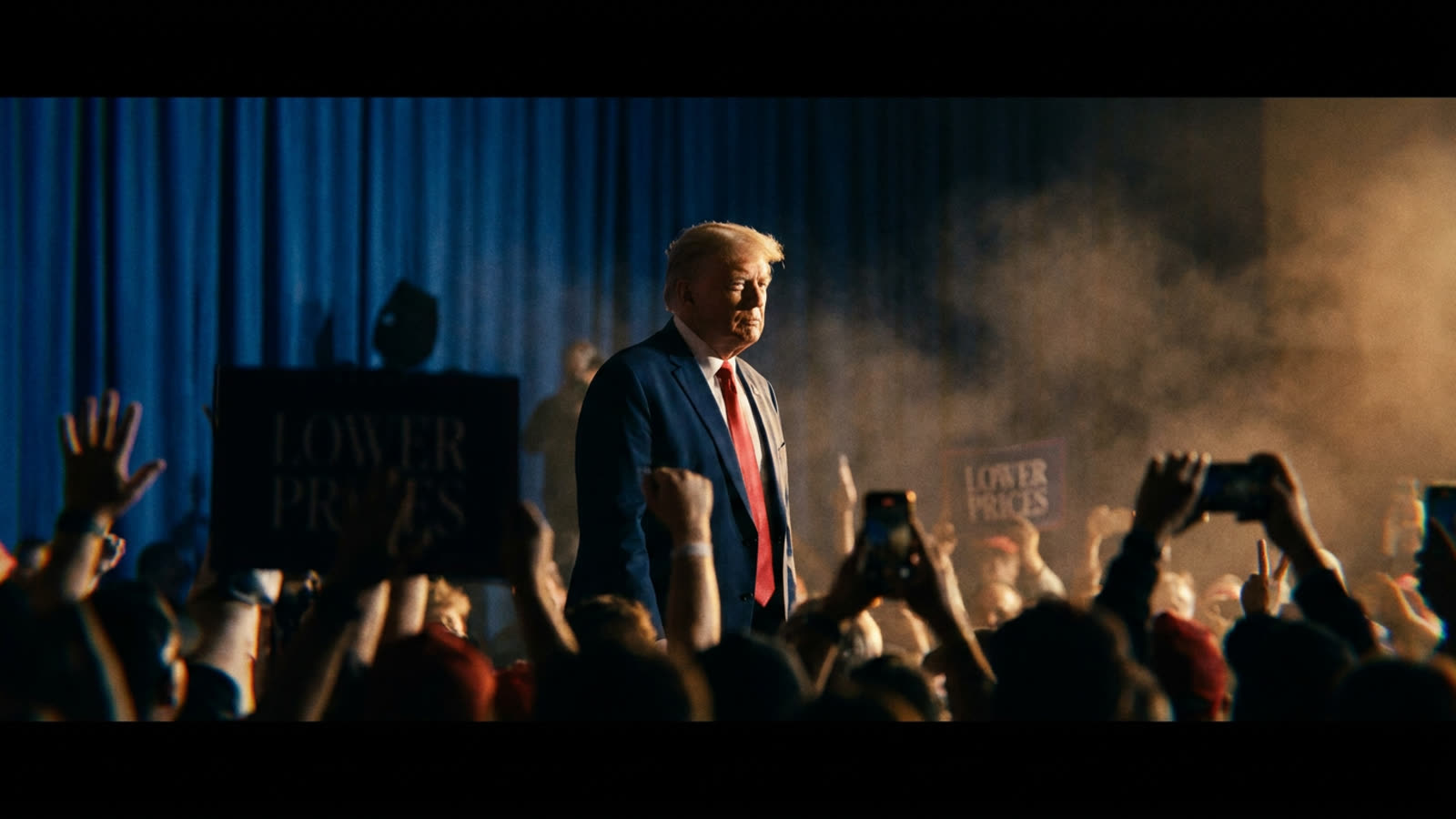
The consumer price index crossed 4% in May, the highest reading since 2023, and the White House response was not contrition but something closer to celebration. "I love the inflation," President Trump told reporters on Tuesday, a line that would have been political suicide in any normal economic cycle. This is not a normal economic cycle.
The arithmetic is straightforward: energy prices are surging because of the Iran conflict, which the administration initiated. Core inflation—stripping out food and energy—rose a modest 0.2% month-over-month, suggesting the underlying economy remains relatively stable. But headline inflation, the number that appears on cable news chyrons and grocery receipts, is now running hot enough to erode real wages for most American households. The president's rhetorical gambit is to reframe this pain as patriotic sacrifice.
The wartime inflation playbook
Historically, wartime presidents have asked citizens to accept economic hardship as the cost of national security. Roosevelt had rationing. Nixon had price controls. Trump has something more audacious: the argument that inflation itself is evidence of American strength. The logic, such as it is, runs like this—high energy prices mean Iran is feeling pressure, which means the strategy is working, which means the sacrifice is worth it.
This framing only works if the conflict remains popular and brief. The Iran engagement has neither quality assured. Polling shows support for military action has softened since the initial strikes, and there is no clear exit strategy. Meanwhile, the Federal Reserve faces an impossible choice: raise rates to fight inflation and risk tipping the economy into recession during a war, or hold steady and watch prices climb further.
The Fed's dilemma deepens
Chair Powell's post-meeting statement last week emphasized "patience," but patience is a luxury the central bank may not have. Treasury yields have already spiked on expectations of tighter policy. If the Fed does hike in July, mortgage rates will follow, cooling a housing market that has been one of the few bright spots in the consumer economy. If it doesn't, the administration's inflation-is-fine messaging becomes harder to sustain as summer driving season pushes gasoline prices higher.
The bond market is not buying the White House's optimism. The 10-year yield touched 4.8% this week, its highest level since the 2023 regional banking stress. Credit spreads are widening. The soft-landing narrative that dominated 2025 is giving way to something murkier.
Our take
Trump's inflation embrace is a bet that Americans will tolerate economic pain if it's wrapped in a flag. It's a bet that has worked before—briefly—but never for long. The president is not wrong that wartime economics operate by different rules. He may be wrong about how long voters will accept those rules when the war in question was optional and the sacrifice falls disproportionately on households least able to afford it. "I love the inflation" is a memorable line. It may also be a memorable mistake.