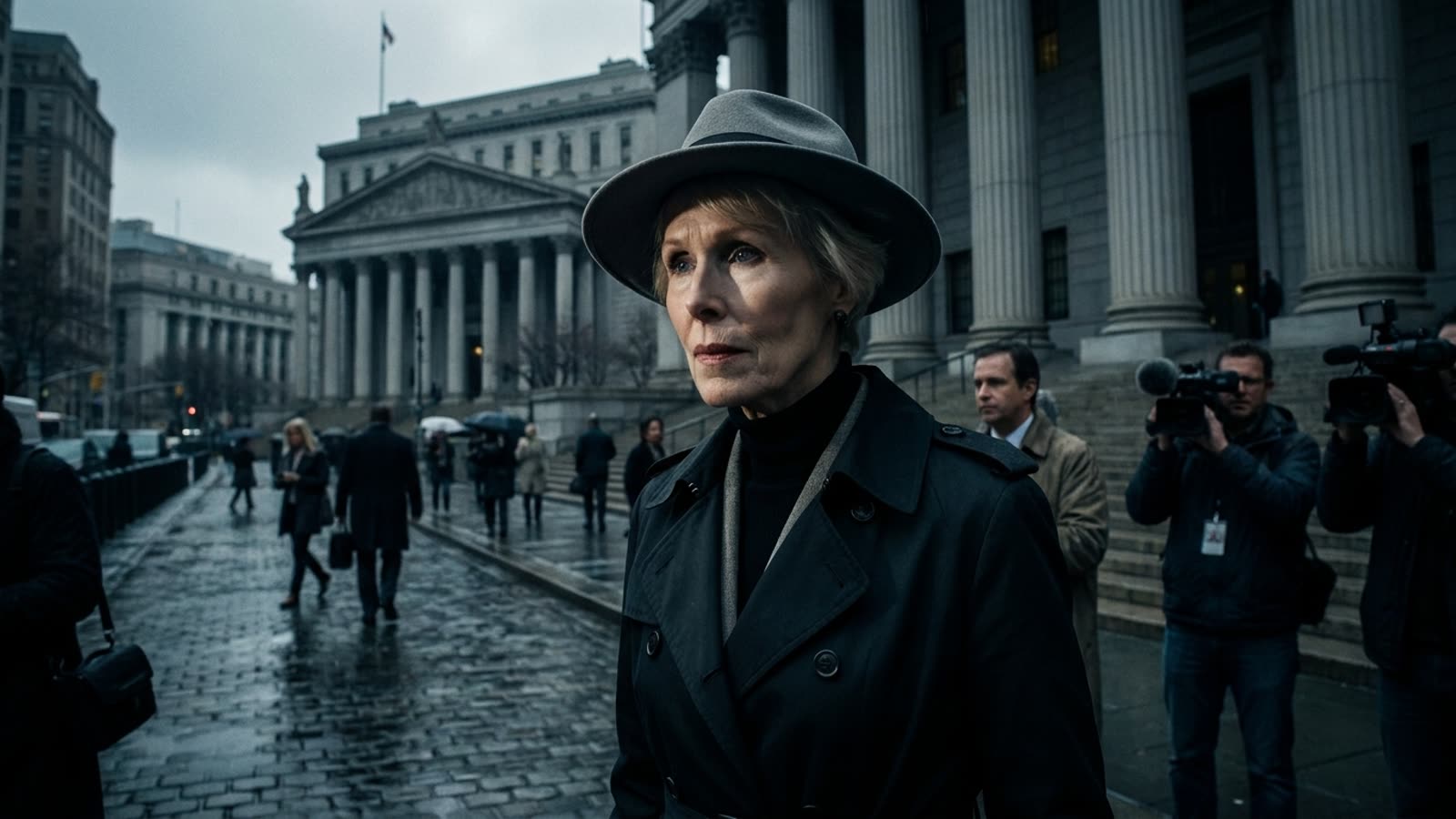
The Department of Justice has launched a criminal investigation into E. Jean Carroll, the writer who successfully sued Donald Trump twice for defamation and sexual abuse, according to multiple sources familiar with the matter. The probe reportedly centers on whether Carroll made false statements during her civil litigation—a theory so thin it could only survive in an agency remade to serve one man's grievances.
Carroll won an $83.3 million verdict against Trump in January 2024 and a separate $5 million judgment the previous year after a jury found Trump liable for sexual abuse. The verdicts represented perhaps the most personal legal humiliation of Trump's career. Now, eighteen months into his second term, the machinery of federal law enforcement has been redirected toward the woman who inflicted it.
The pretext and the pattern
The investigation reportedly examines whether Carroll committed perjury or made materially false statements in her civil cases—accusations that were litigated extensively during trial and rejected by juries. Federal prosecutors revisiting settled civil matters to find criminal exposure for a presidential adversary is not normal prosecutorial discretion; it is the definition of selective enforcement.
This follows a clear pattern. Trump explicitly demanded that the Justice Department target his perceived enemies, and Attorney General Pam Bondi has obliged with investigations into journalists, former officials, and now private citizens who prevailed against him in court. The Carroll probe is distinctive only in its brazenness: she is being investigated for winning.
Legal exposure and chilling effects
Carroll's attorneys will almost certainly challenge any charges as vindictive prosecution, a defense that requires showing the government acted in retaliation for protected conduct. The evidentiary record here is unusually rich—Trump has publicly called for her prosecution, and the timing correlates perfectly with his return to power rather than any new evidence.
But the legal merits may be secondary to the political function. Every American considering whether to sue a powerful figure, testify against an administration official, or simply speak publicly about misconduct must now weigh the possibility that victory could invite federal investigation. The chilling effect requires no conviction.
Our take
There is no serious legal theory here. Carroll's claims were tested in two trials, subjected to aggressive cross-examination, and validated by unanimous juries. The Justice Department is not investigating potential crimes; it is punishing a verdict. This is what institutional capture looks like in practice: not dramatic midnight raids, but the quiet redirection of prosecutorial resources toward anyone who embarrassed the president. The republic's antibodies are being tested, and so far they are not responding.