The president's foreign-policy lexicon has always leaned toward the percussive, but the sheer accumulation of threatened military action is beginning to strain credulity. With his latest warning—that the United States could "blow 'em up" if Oman continues facilitating Iranian oil shipments—Donald Trump has now publicly menaced roughly one out of every thirteen sovereign nations, a ratio that would have seemed satirical in any prior administration.
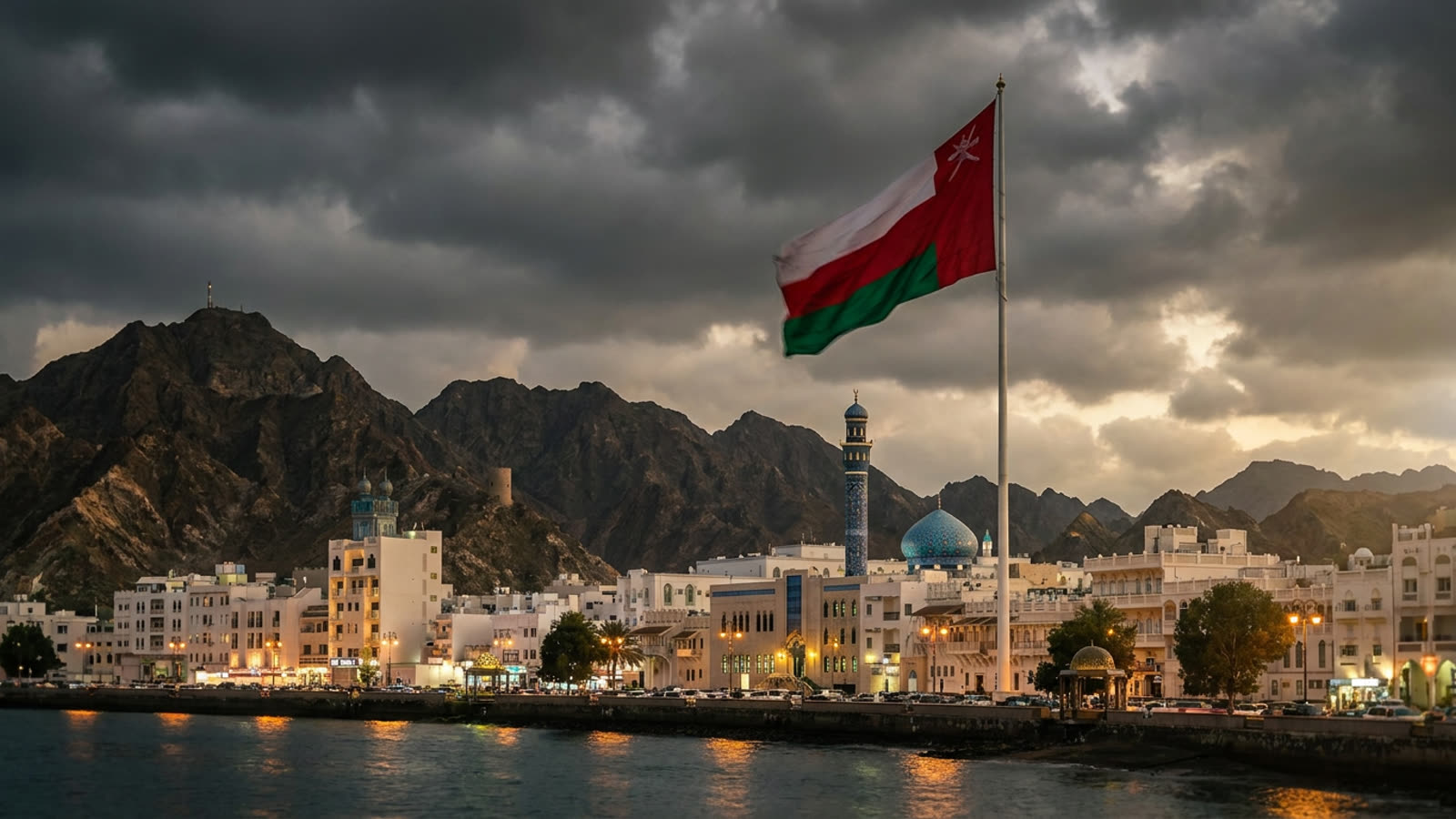
The Oman remark, delivered during a cabinet meeting on Tuesday, follows a familiar pattern: a small Gulf state is accused of insufficient cooperation, and the rhetorical hammer falls. But Oman is a longtime American partner, host to U.S. military facilities, and a discreet diplomatic back-channel to Tehran for decades. Threatening it is not merely bellicose; it is strategically incoherent.
The expanding threat map
Since returning to office, Trump has issued explicit or implied military threats against Iran, Mexico, Panama, Greenland (by extension Denmark), Canada, Venezuela, and now Oman. Add legacy targets from his first term—North Korea, Syria, Afghanistan—and the list stretches toward two dozen. The White House maintains these are negotiating postures, not policy commitments. Critics argue the distinction has become meaningless.
What is clear is that the shock value has depreciated. When every recalcitrant actor faces the same rhetorical ceiling, the ceiling ceases to be a ceiling. Allies in the Gulf Cooperation Council are reportedly recalibrating their own hedging strategies, uncertain whether American threats are signals of intent or mere atmospherics.
Oman's awkward position
Muscat has long played both sides of the Gulf's sectarian divide, maintaining ties with Tehran while hosting American forces. That balancing act made it useful as a mediator; it also makes it vulnerable now that Washington demands absolute alignment on Iran. Omani officials have declined public comment, but regional diplomats describe the mood in Muscat as bewildered rather than frightened. The sultanate has survived worse by staying quiet and waiting out storms.
Our take
There is a reason poker players do not go all-in on every hand: the gesture loses meaning. Trump's threat inflation has reached a point where even genuine adversaries may struggle to distinguish a serious warning from Tuesday's news cycle. Oman is unlikely to capitulate, Iran is unlikely to be impressed, and American credibility—the scarcest commodity in coercive diplomacy—continues to erode. At some point, the arithmetic of intimidation stops adding up.