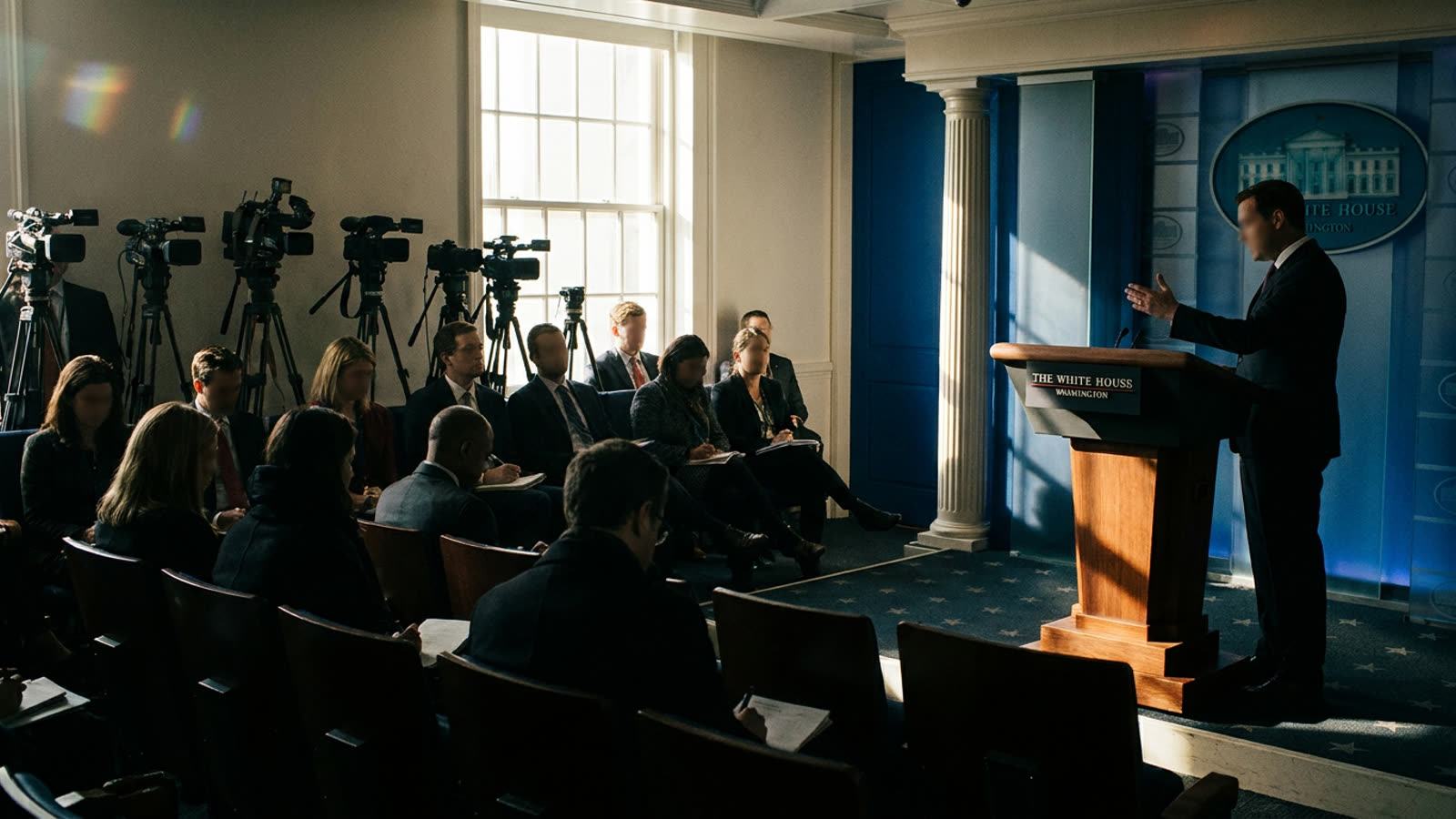
The president wants you to know that the Iran negotiations will proceed at their own pace, unburdened by the congressional calendar. "I don't care about the midterms," Donald Trump told reporters this week, dismissing suggestions that his administration might accept a weaker agreement to secure a headline before voters head to the polls in November. It is a statement that deserves scrutiny not because it is implausible, but because virtually nothing else about the administration's Iran posture supports it.
The calendar problem
Midterm elections are five months away, and the president's party faces the historical headwind that nearly always punishes the incumbent in off-year contests. A verified diplomatic breakthrough—especially one that could be framed as ending or forestalling a costly military campaign—would be the kind of tangible achievement that strategists dream about. The White House has already spent considerable political capital on airstrikes and posturing; converting that expenditure into a signed framework would let Republicans run on strength rather than stalemate. Trump's protestation that he is indifferent to this logic asks observers to believe he has suddenly abandoned a lifetime's instinct for the well-timed announcement.
The credibility gap
This is the same president who, in his first term, withdrew from the Obama-era nuclear deal partly on the grounds that it was insufficiently favorable, then spent years promising a better replacement that never materialized. His negotiating style has always prioritized the appearance of winning over the substance of terms. Telling the press corps that he will not be rushed is itself a negotiating tactic—a signal to Tehran that the United States can wait, even if the signal is directed more at domestic audiences than at Iranian diplomats. The trouble is that Tehran has its own calendar and its own reasons to doubt American staying power.
What Tehran hears
Iranian officials have already floated what the White House dismisses as a "fabricated" draft memo outlining possible terms. Whether or not that document reflects genuine back-channel discussions, its circulation suggests Tehran believes the Americans are more eager than they admit. Publicly insisting on patience while privately seeking rapid progress is standard diplomatic practice, but the gap between Trump's rhetoric and the administration's evident urgency creates openings for adversaries to extract concessions.
Our take
Presidents always claim that foreign policy operates on a higher plane than electoral politics, and the claim is always partially true and partially self-serving. Trump's version is more brazen than most because his entire political brand rests on the art of the deal, and deals are meaningless without deadlines. If an Iran agreement materializes before November, the timing will not be coincidental, whatever the White House says now. If it doesn't, the president will blame Tehran, the Democrats, or the deep state—anyone but the calendar he insists he is ignoring.