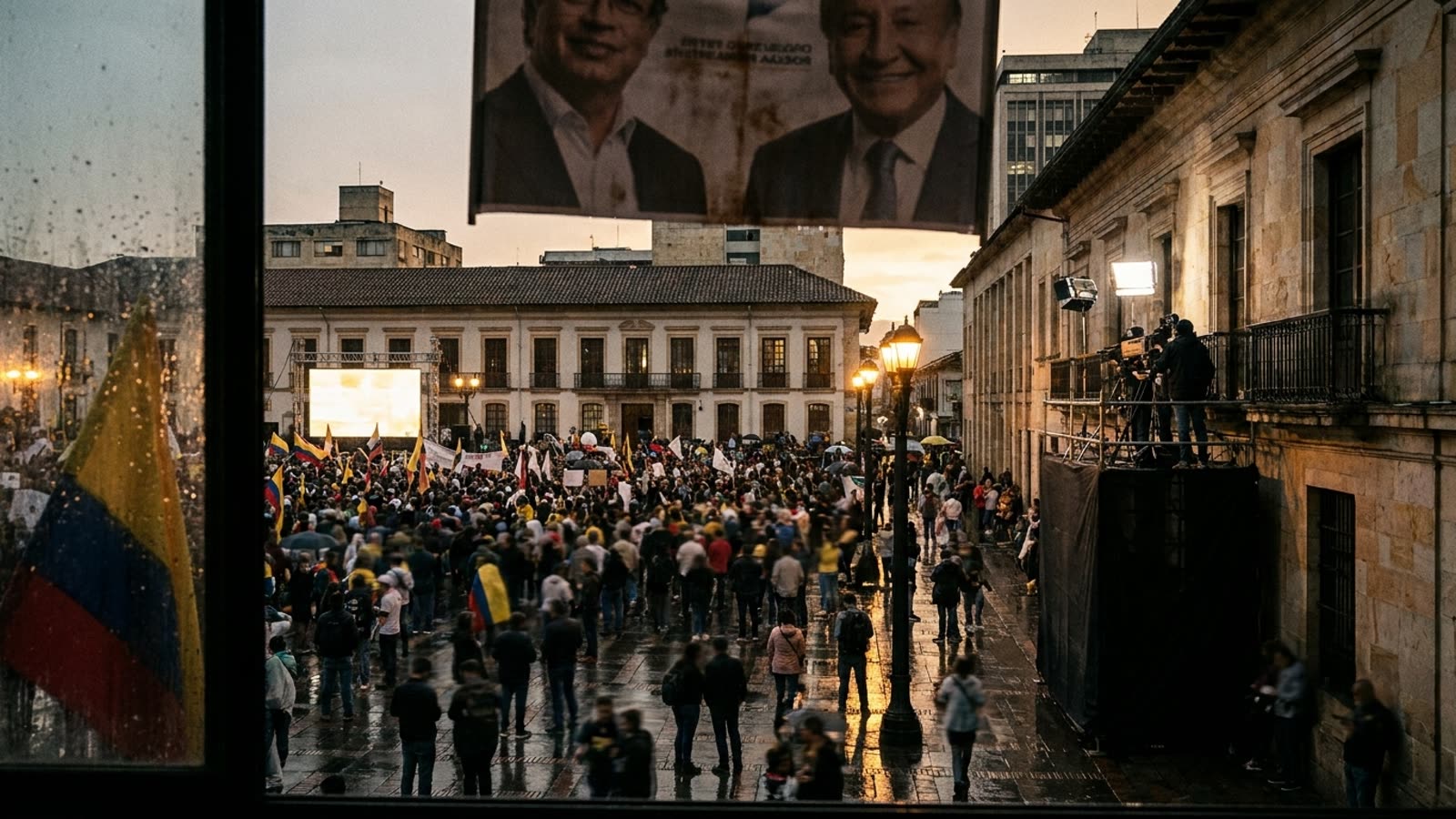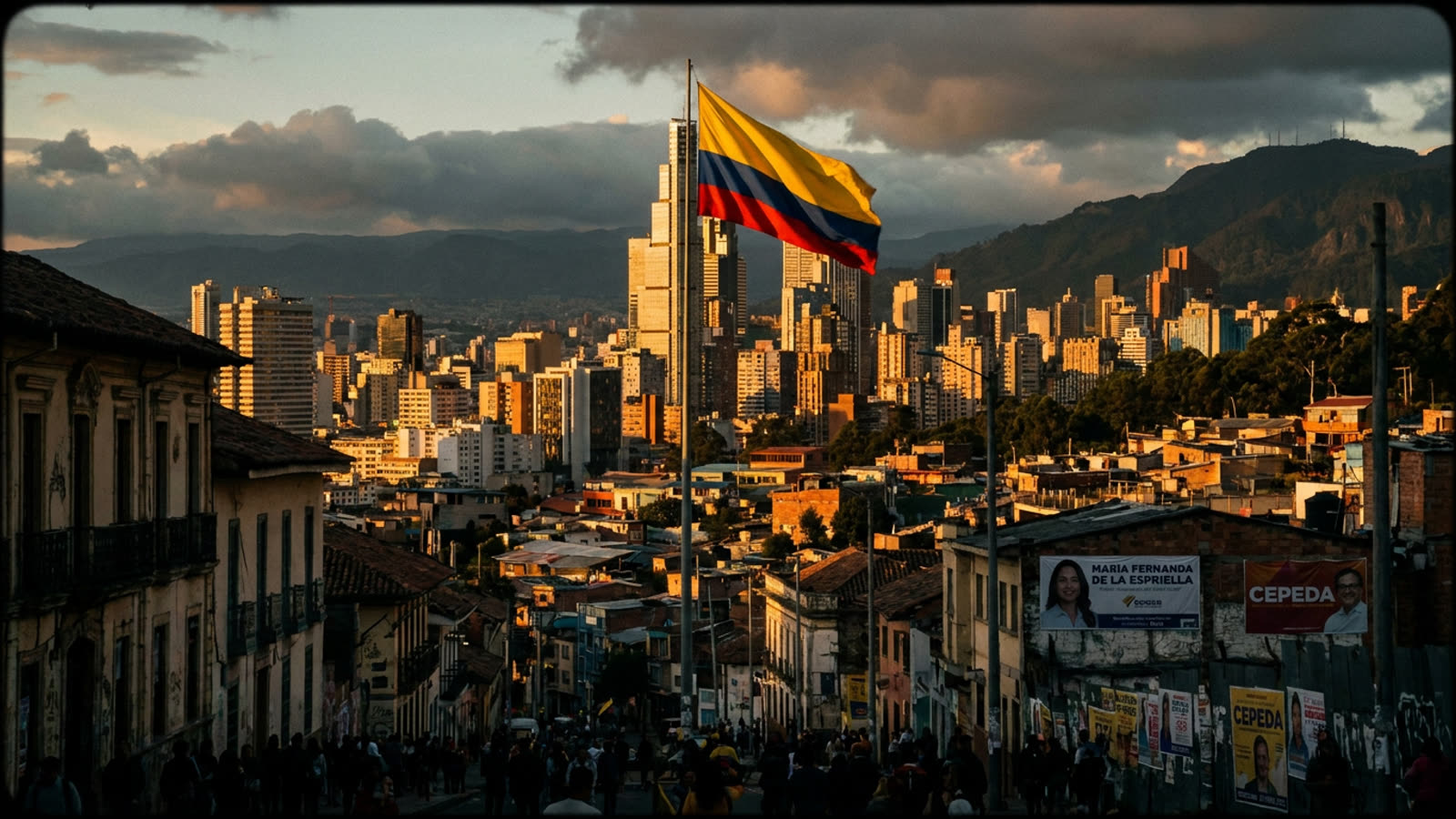
Colombia's presidential race has narrowed to a stark choice between right-wing candidate María Fernanda de la Espriella and her leftist opponent Cepeda, setting up a runoff election that could fundamentally alter the U.S.-Colombia relationship and Washington's broader Latin American strategy.
The stakes for Washington
The election comes at a critical moment for U.S. influence in Latin America. Colombia has long been Washington's most reliable ally in the region, hosting American military advisors and cooperating extensively on counter-narcotics operations. De la Espriella has signaled continuity with this approach, while Cepeda has promised to reassess Colombia's security agreements with the United States.
The timing is particularly sensitive given the Trump administration's aggressive posture on immigration and trade. Colombia serves as a crucial partner in managing migration flows from Venezuela and other South American nations. A leftist victory could complicate these arrangements just as the administration seeks to tighten border controls.
Regional implications
Colombia's election reflects broader trends across Latin America, where voters have oscillated between left and right in recent years. The country's choice will influence neighboring nations watching to see whether the region's third-largest economy embraces or rejects closer ties with Washington.
De la Espriella's campaign has emphasized economic growth through foreign investment and maintaining strong U.S. ties. Cepeda, meanwhile, has focused on inequality and sovereignty, arguing that Colombia needs to chart a more independent course. Both candidates must also address the country's persistent security challenges and the ongoing implementation of peace accords with former guerrilla groups.
Our take
This runoff represents more than a choice between two candidates—it's a referendum on Colombia's future orientation in an increasingly multipolar world. While De la Espriella offers stability for U.S. interests, Cepeda's challenge reflects genuine frustration with decades of close alignment that many Colombians feel has delivered uneven results. Washington would be wise to prepare for either outcome rather than assuming its traditional influence will prevail.