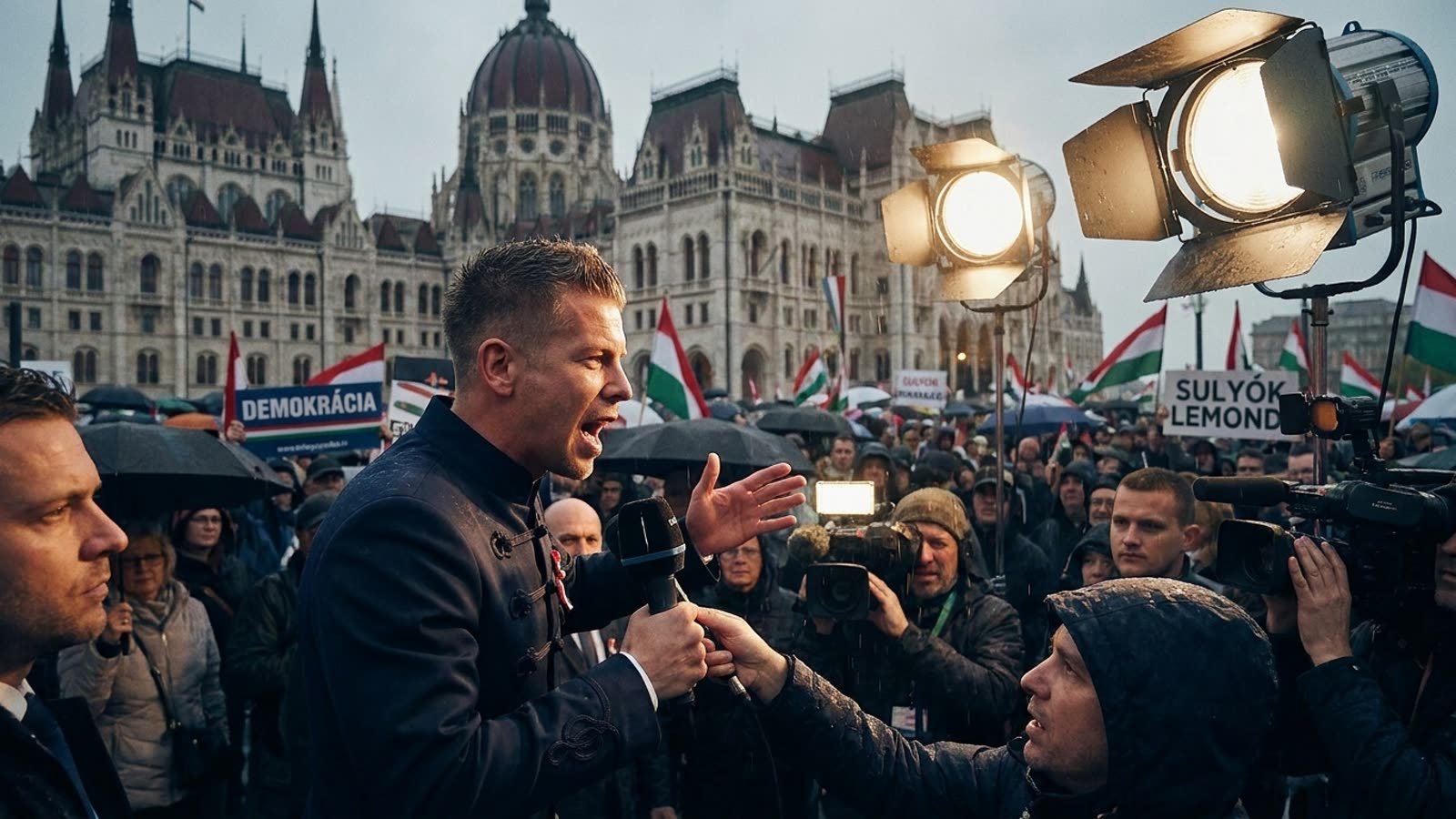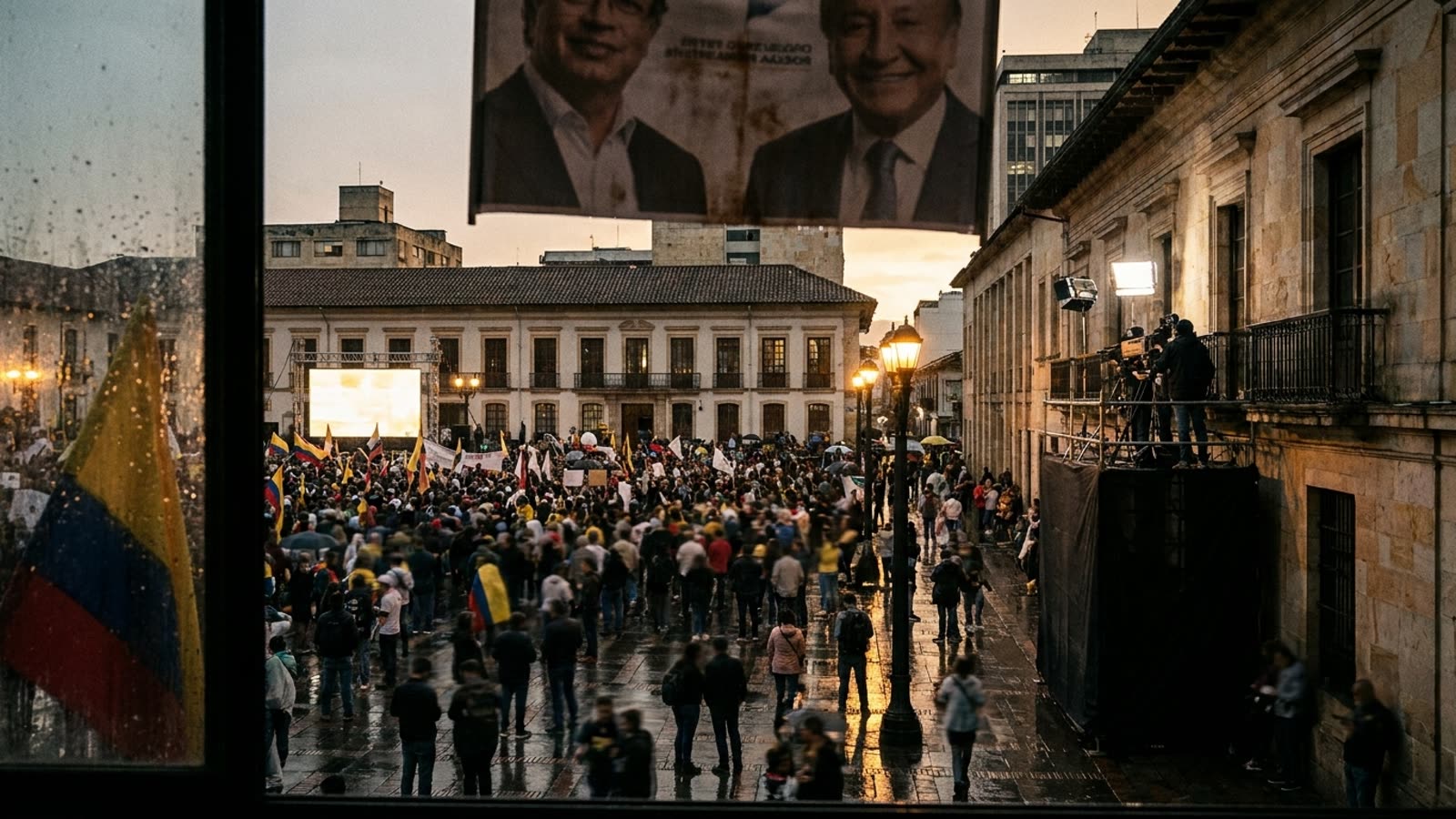
The first round of Colombia's presidential election delivered exactly the outcome that makes foreign-policy desks in Washington reach for antacids: a polarized runoff between María Fernanda de la Espriella, a brasher-than-Bolsonaro conservative, and Gustavo Cepeda, a senator from the country's leftist coalition who has promised to renegotiate free-trade terms with the United States. Neither candidate cleared the threshold for outright victory on Sunday, setting up a June 22 contest that will shape hemispheric politics for years.
De la Espriella's surge—she captured roughly 34 percent of the vote, according to preliminary tallies—confirms that the populist right remains a viable force in Latin America even as some of its standard-bearers elsewhere have stumbled. Cepeda, who finished just behind her with an estimated 31 percent, represents the opposite pole: skepticism of U.S. economic hegemony, warmer ties with Havana and Caracas, and a domestic agenda heavy on land reform and social spending.
Why Washington is nervous
Colombia has long been the United States' most reliable partner in South America, a relationship cemented by decades of counter-narcotics cooperation and a 2012 free-trade agreement that made the Andean nation a linchpin of American supply chains. A Cepeda victory would not necessarily tear up those arrangements, but it would invite renegotiation at a moment when the Trump administration is already juggling tariff disputes with Mexico and skepticism from Brazil. A de la Espriella win, meanwhile, would likely mean tighter alignment with Washington—but also potential friction over her hardline immigration rhetoric, which could complicate cross-border enforcement efforts.
The domestic stakes
Beyond geopolitics, the runoff is a referendum on the legacy of outgoing President Gustavo Petro, whose leftist government expanded social programs but struggled to contain rural violence and inflation. De la Espriella has cast herself as the antidote to Petro-era disorder, promising aggressive security measures and a rollback of environmental regulations that she blames for hobbling the energy sector. Cepeda, by contrast, frames the election as a choice between deepening Petro's reforms and handing the country back to oligarchic interests.
Turnout on Sunday was robust—roughly 54 percent of eligible voters—suggesting that Colombians are engaged rather than exhausted. The question now is whether the remaining three weeks will be defined by policy debate or by the kind of disinformation-fueled chaos that marred recent elections in neighboring Ecuador.
Our take
Washington's instinct will be to root quietly for de la Espriella, whose pro-business posture and security hawkishness align with the administration's preferences. That would be shortsighted. A narrow, bitterly contested victory by either candidate risks destabilizing a country that has spent two decades clawing its way toward institutional normalcy. The smarter play is to signal, publicly and privately, that the United States will work with whoever wins—and that the relationship is bigger than any single election cycle. Colombia's stability is worth more than a friendly face in Bogotá.