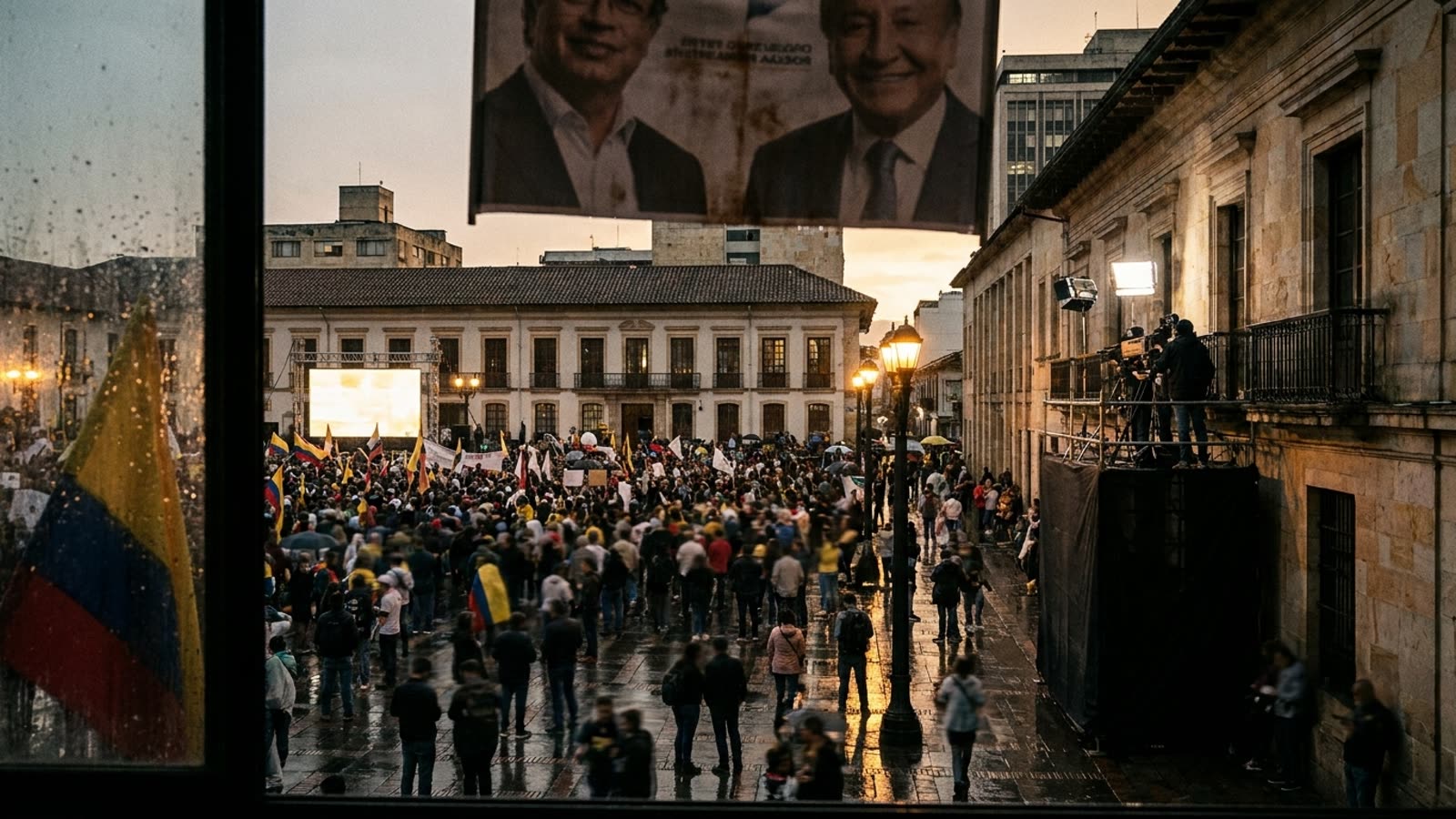
Colombia's first-round presidential vote delivered the kind of result that reminds analysts why they should stop making predictions about Latin American politics. María Fernanda de la Espriella, a right-wing candidate who was polling in single digits earlier this year, has muscled her way into the June runoff against leftist Gustavo Cepeda, upending a race that establishment figures on both sides thought they had locked up.
The outcome matters far beyond Bogotá. Colombia is the region's third-largest economy and a cornerstone of U.S. policy in the Americas—home to the hemisphere's longest-running counternarcotics partnership and a critical buffer against Venezuelan instability. What happens there tends to ripple outward.
The outsider's playbook
De la Espriella ran a campaign that borrowed liberally from the global populist handbook: anti-corruption rhetoric, skepticism of traditional party structures, and a heavy social-media presence that bypassed legacy media gatekeepers. She positioned herself as neither the heir to former president Iván Duque's establishment conservatism nor a creature of the old Liberal Party machinery. In a country exhausted by the perceived failures of Gustavo Petro's leftist government—rising inflation, stalled peace implementation, and a series of corruption scandals—that positioning proved potent.
Her opponent, Cepeda, carries the burden of being associated with Petro's coalition even as he has tried to distance himself from the administration's missteps. The runoff will test whether Colombian voters are ready to punish the left for Petro's tenure or whether Cepeda can reassemble the progressive coalition that swept Petro into office four years ago.
Regional implications
The result lands at a moment when Latin America's so-called "pink tide" is showing signs of exhaustion. Chile's Gabriel Boric has seen his approval ratings crater. Mexico's Claudia Sheinbaum is navigating a difficult relationship with Washington. Argentina's Javier Milei has demonstrated that voters will embrace radical alternatives when the left disappoints. A de la Espriella victory would add Colombia to the list of countries swinging back toward the right, potentially reshaping the region's diplomatic posture on everything from Venezuela policy to trade negotiations.
For Washington, the stakes are straightforward. The Trump administration has sought reliable partners in the hemisphere willing to take harder lines on migration, drug trafficking, and Venezuelan sanctions. A right-leaning Colombian government would be a natural ally; a Cepeda administration would likely continue Petro's more confrontational approach to U.S. policy priorities.
Our take
De la Espriella's rise is less a triumph of ideology than a verdict on incumbency. Colombians are not suddenly enamored of right-wing economics; they are tired of a government that promised transformation and delivered dysfunction. The runoff will be decided by turnout and by whether Cepeda can convince voters that he represents something other than continuity. If he cannot, Colombia joins the growing list of countries where the left's window is closing faster than anyone expected.