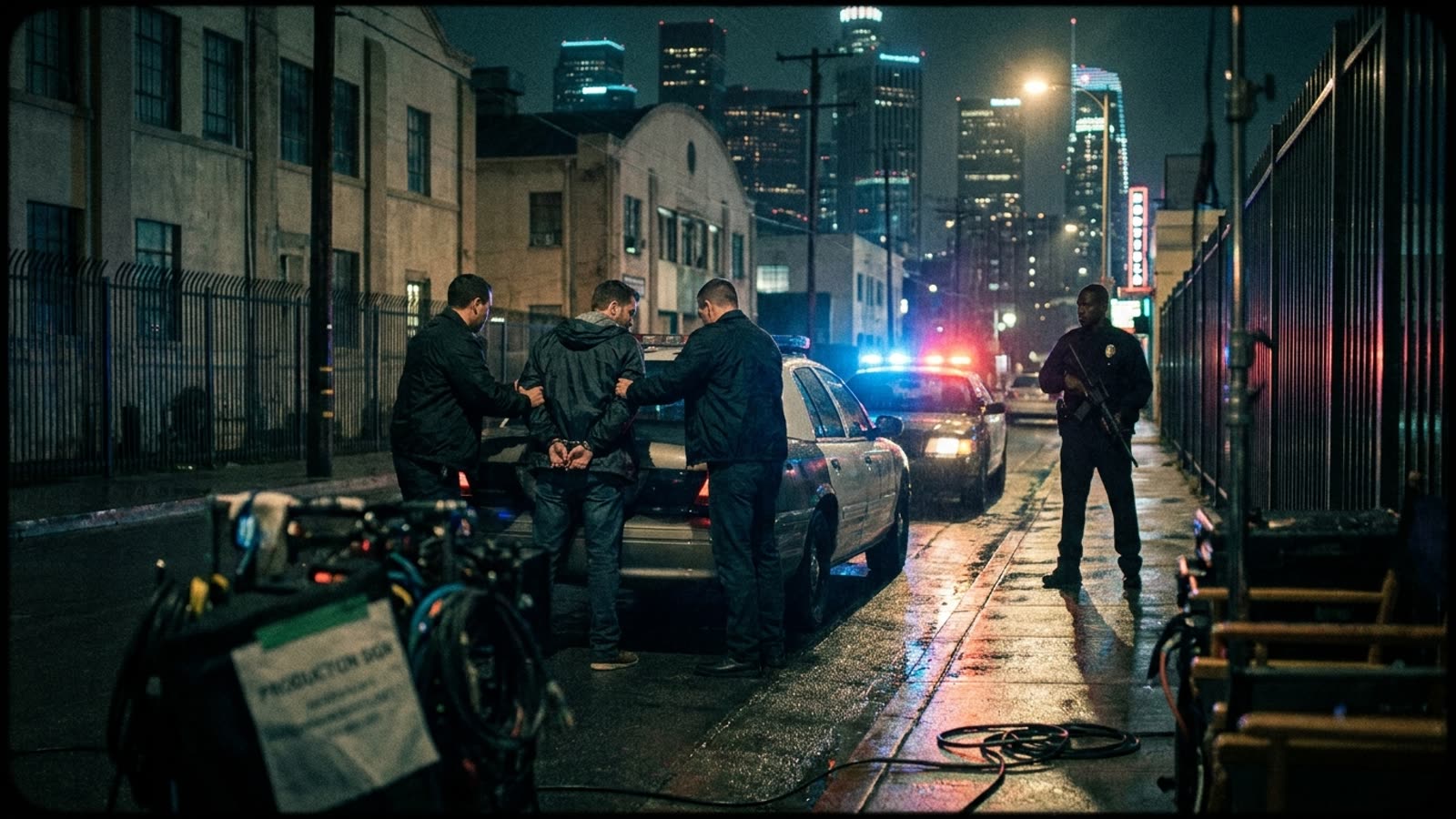
The arrest of a CIA officer this week — details still murky, charges unspecified in initial reports — would normally register as a Beltway footnote. Instead, it lands at a peculiar cultural moment: when the intelligence community has never been more fashionable in entertainment, and when the aesthetics of secrecy have become genuine lifestyle currency.
The timing is almost too on-the-nose. Apple TV+'s Slow Horses just wrapped its most-watched season. The Agency continues drawing prestige talent. TikTok's "clean girl" aesthetic has quietly evolved into what some creators call "fed core" — neutral palettes, minimal jewelry, the cultivated blankness of someone trained to reveal nothing. Security clearance has become a dating-app flex in certain coastal cities.
The spy-industrial content complex
Hollywood's intelligence fixation isn't new, but its current iteration feels different. The Cold War gave us Bond fantasies; the War on Terror produced tortured-hero narratives. Today's spy content trades in institutional ambiguity — protagonists who aren't sure their agencies are good, audiences who aren't sure they should be rooting for anyone. It's espionage as workplace drama, tradecraft as project management.
This shift mirrors broader cultural exhaustion with moral clarity. The CIA officer in handcuffs isn't a character study; they're a reminder that the people behind the aestheticized secrecy are, in fact, people — capable of whatever led to this arrest. The fantasy requires distance that reality keeps collapsing.
When the aesthetic meets the actual
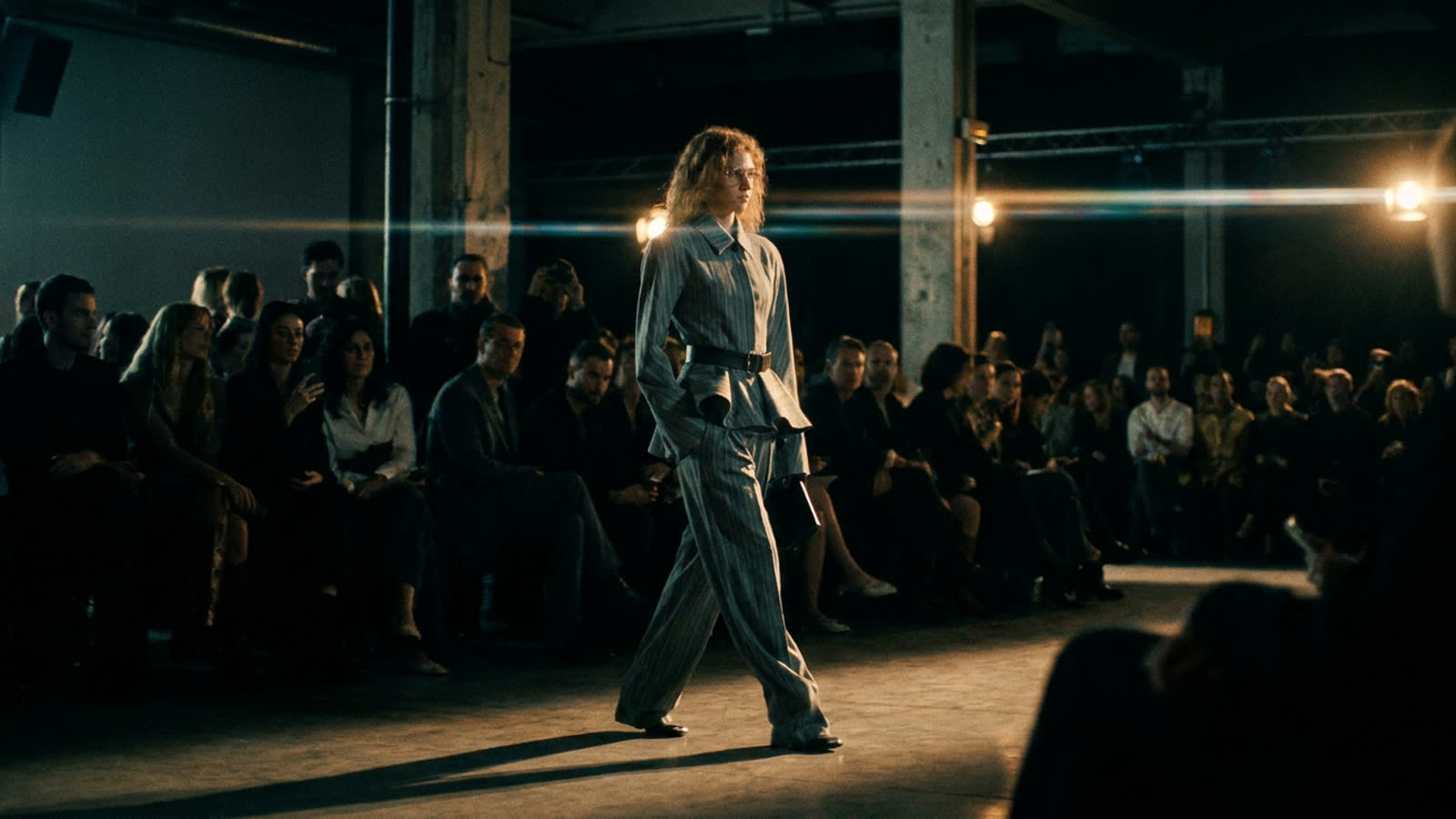
The "fed core" trend deserves scrutiny beyond its surface absurdity. Young professionals adopting the visual language of intelligence work — the deliberate blandness, the nothing-to-see-here presentation — are performing a kind of power fantasy rooted in institutional belonging. In an era of gig economy precarity, the appeal of imagining yourself as someone with a badge, a clearance, a place in a structure that matters, makes psychological sense.
But the fantasy depends on the institution remaining abstract. An actual arrest, with actual consequences for an actual person, punctures the remove. The "clean girl" neutral palette looks different when you remember that real intelligence work involves real ethical compromise, real legal jeopardy, real human cost.
Our take
Hollywood will continue making spy content because spy content sells. The aesthetics will persist because they scratch a genuine itch for significance in an increasingly atomized professional landscape. But this arrest — whatever its specifics eventually reveal — should give the culture pause. The intelligence community isn't a mood board. The people who work there aren't characters. And the line between admiring the aesthetic and romanticizing the apparatus has always been thinner than the content industrial complex wants to admit. Sometimes a CIA officer in custody is just a person who allegedly broke the law, not a pilot for a prestige limited series.