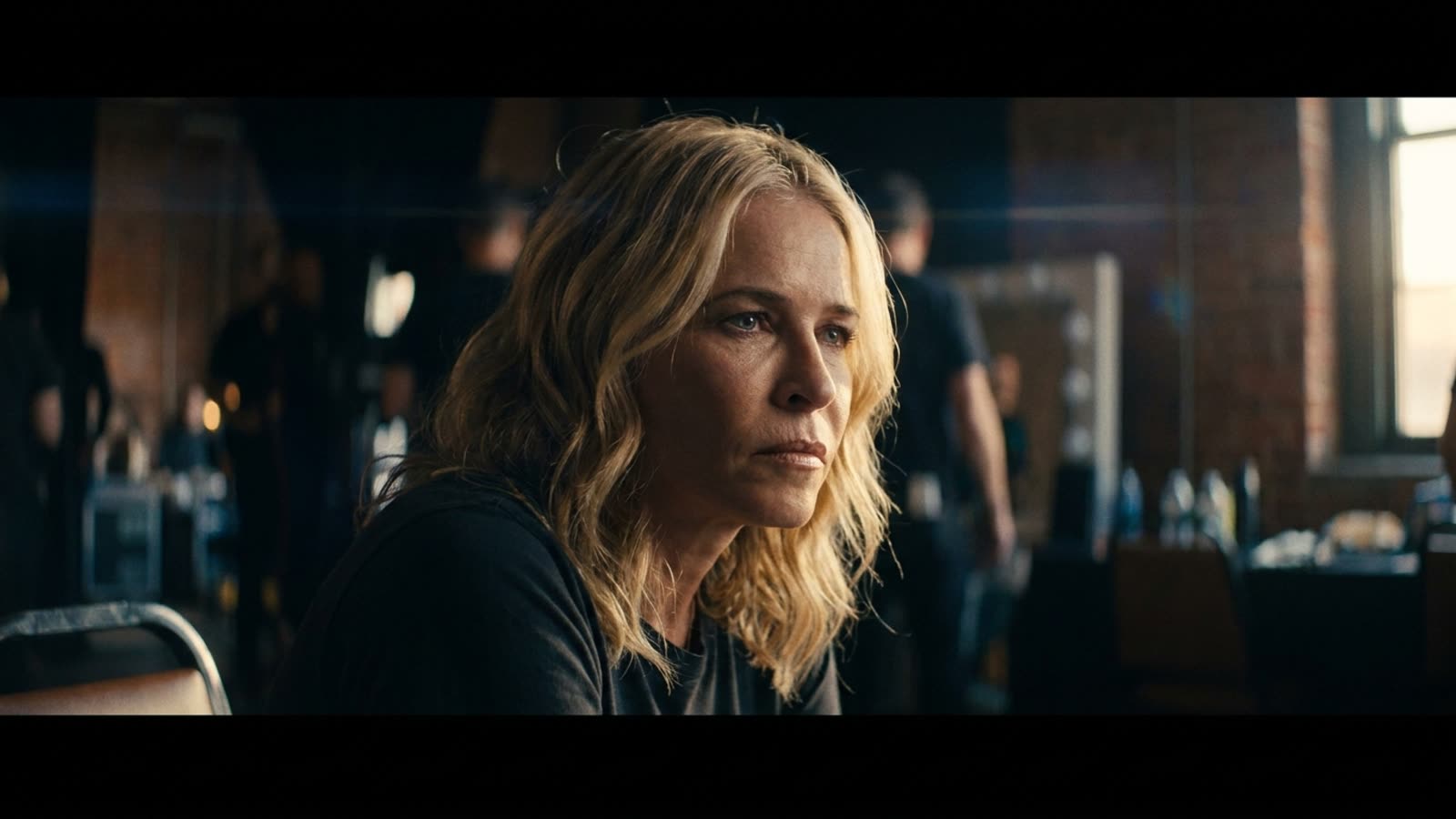
The comedy roast, that peculiar American ritual of performative cruelty among friends, has always operated under a gentleman's agreement: nothing said on the dais counts. Chelsea Handler has decided the agreement is void.
Handler, who appeared at Netflix's recent roast of Kevin Hart, has publicly labeled fellow roasters Shane Gillis and Tony Hinchcliffe "racist," claiming their sets crossed from transgression into something uglier. The accusation lands differently in 2026 than it might have a decade ago. Gillis, famously fired from Saturday Night Live in 2019 over resurfaced clips mocking Asian accents, rebuilt his career into arena tours and a Netflix special. Hinchcliffe became a flashpoint during the 2024 election cycle when his set at a Trump rally included a joke calling Puerto Rico "a floating island of garbage." Both men have transformed controversy into brand identity. Handler's complaint suggests that brand has limits—or should.
The roast's uneasy evolution
Roasts once existed in a hermetically sealed comedic space. The Friars Club model assumed everyone present had signed an unspoken waiver. But Netflix roasts are not private club dinners; they are globally streamed content designed for viral moments. The audience is no longer a roomful of industry insiders laughing at their own; it is everyone, everywhere, watching on their phones. The form's intimacy has been industrialized, but its rules have not updated.
Handler's willingness to break ranks publicly—calling out colleagues by name rather than vaguebooking about "the state of comedy"—reflects a generational and ideological fault line. She came up through the Chelsea Lately era of equal-opportunity offensiveness but has repositioned herself as a more politically engaged voice. Gillis and Hinchcliffe represent a cohort that views any such repositioning as capitulation.
The business of offense
Netflix has bet heavily on both camps. The streamer gave Gillis a reported eight-figure deal; it also platforms Handler's talk show ambitions. The company's content strategy has long been ideologically omnivorous, happy to host Hannah Gadsby's Nanette and Dave Chappelle's The Closer in the same library. But a public feud between talent forces the question of whether neutrality is sustainable—or whether it is simply a way of monetizing conflict itself.
The roast format may be the canary in the coal mine. If performers cannot agree on what counts as acceptable transgression even within a genre defined by transgression, the form risks becoming either toothless or toxic. Hart himself has navigated this terrain before, stepping down from hosting the Oscars in 2019 over old tweets. His roast was presumably meant to be a victory lap. Instead, it became a case study in comedy's unresolved civil war.
Our take
Handler is not wrong that words have weight, even in a roast. But her complaint also reveals the exhaustion of the "just joking" defense and the "words are violence" counter-argument alike. Comedy in 2026 is less a unified art form than a series of armed camps, each with its own Geneva Convention. The roast's genius was always that it suspended the rules. Now nobody can remember what the rules were.