The suspect in Charlie Kirk's murder walked into a police station, and the cameras were rolling.
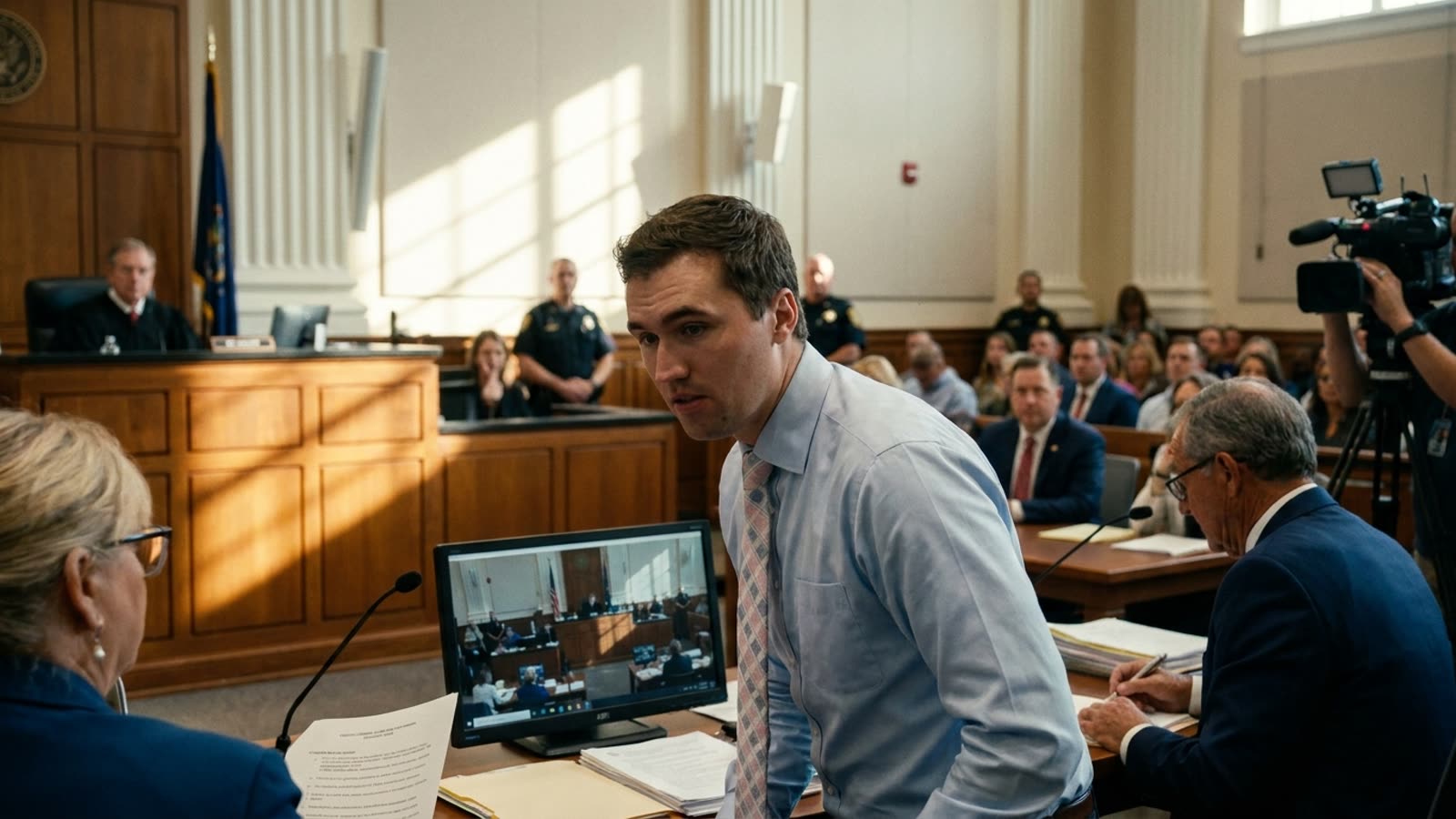
New video evidence presented in court this week shows the moment the accused surrendered to authorities — footage that prosecutors are already framing as central to their case. The clip, played during a preliminary hearing, captures what investigators describe as a calm, deliberate approach to the station's front desk, a demeanor that the state argues undermines any future claim of diminished capacity or impulsive action.
The footage and its implications
Defense attorneys had sought to suppress the video, arguing its release would prejudice potential jurors in a case already saturated with media attention. The judge disagreed. What the courtroom saw was approximately ninety seconds of surveillance footage: the suspect entering, approaching an officer, and speaking words that remain under seal. Body language experts and legal analysts have already begun dissecting every frame.
The Kirk case has drawn extraordinary attention since the Turning Point USA founder's death earlier this year. As one of the most prominent young conservative voices in American media, Kirk had cultivated both fervent supporters and vocal critics. His killing immediately sparked speculation about motive, though investigators have been notably tight-lipped about what drove the alleged perpetrator.
A trial that will test the system
Legal observers expect the proceedings to become a referendum on political violence in America — a prospect that makes jury selection alone a months-long endeavor. The surrender video, whatever its evidentiary value, has already accomplished something else: it has given the public its first unfiltered glimpse of the accused, separate from mugshots and attorney statements.
The prosecution's decision to introduce the footage this early suggests confidence in their narrative. Surrender videos rarely make or break cases, but they establish tone. A defendant who appears collected, who walks rather than runs, who speaks rather than demands a lawyer — these details accumulate.
Our take
The Charlie Kirk murder trial was always going to be a media circus. The surrender video ensures it will also be a visual one. Prosecutors are betting that jurors will see premeditation in that calm walk through the station doors; the defense will counter that composure proves nothing except the absence of flight. Both are right, and both are performing for an audience far larger than the twelve people who will eventually decide the case. The real question is whether American courts can still conduct a fair trial when every participant knows the cameras never stop rolling.