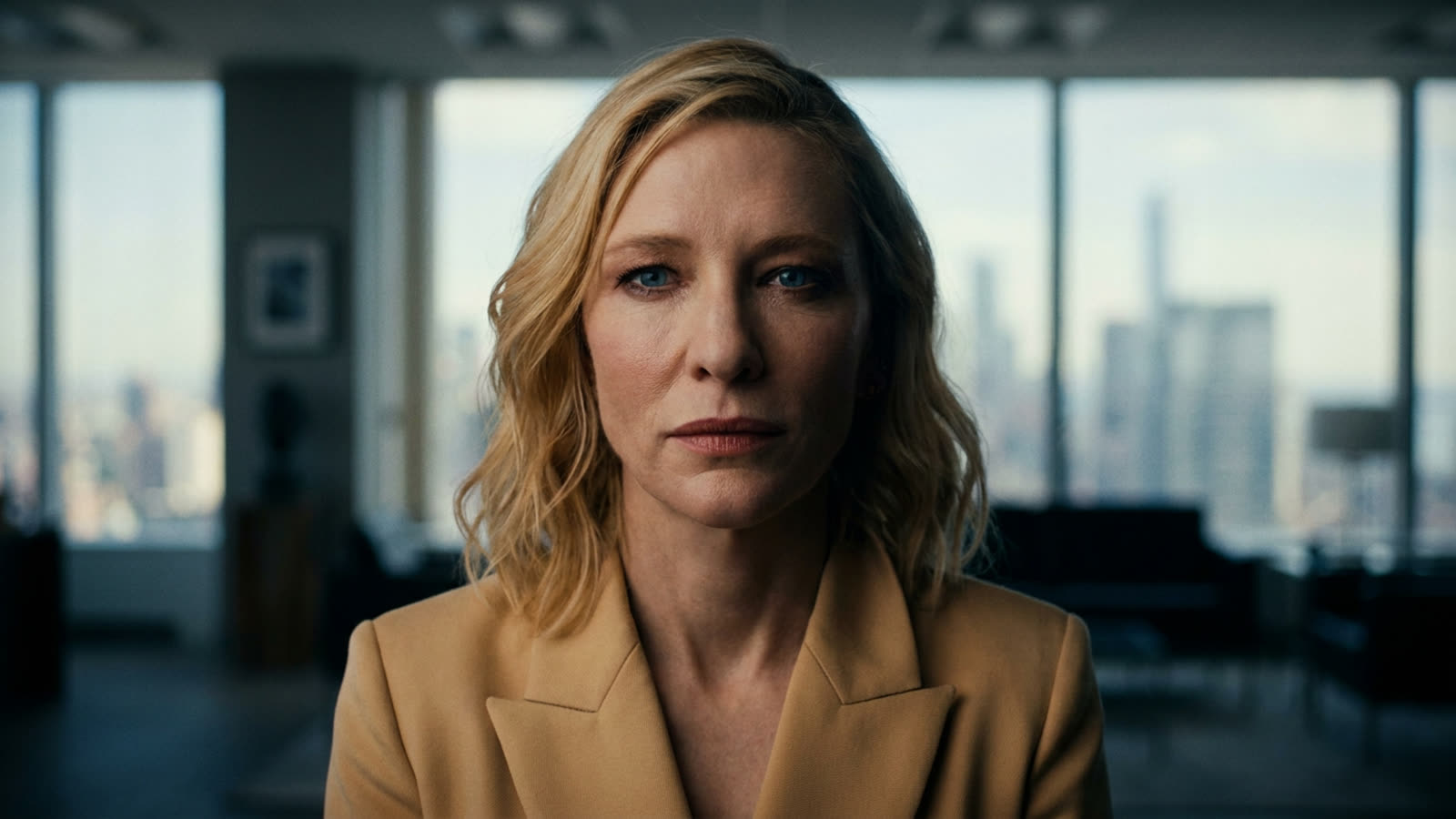
When Cate Blanchett announces a new venture, the assumption is usually that it involves prestige cinema, an accent of indeterminate origin, or both. This time it's something rather more utilitarian: a consent framework for artificial intelligence.
RSL Media, the non-profit Blanchett has co-founded, aims to give creative professionals a structured way to grant or deny permission for AI systems to train on their work, name, image, and likeness. The initiative has attracted heavyweight supporters including Javier Bardem, George Clooney, and Viola Davis—a coalition that reads like the green room at a particularly glamorous awards show. The timing is deliberate: Hollywood's anxiety about generative AI has metastasized from union talking point to existential dread, and the industry is searching for something more durable than strike-era contract language.
The consent problem
The fundamental challenge RSL Media faces is less technical than philosophical. Consent frameworks assume that permission is meaningful—that saying "no" actually prevents something from happening. In the current AI landscape, that assumption is shaky at best. Models have already been trained on vast corpuses of creative work, much of it scraped without explicit permission. The horse has not merely left the barn; it has been algorithmically replicated into a thousand synthetic horses.
What RSL Media appears to offer is a prospective system: a way for artists to register preferences that future AI developers might honor, either voluntarily or under regulatory pressure. The "might" is doing considerable work in that sentence. Without legal mandates requiring AI companies to check consent registries before training, the framework risks becoming an elaborate honor system—noble in intent, toothless in practice.
Why Hollywood cares now
The entertainment industry's urgency around AI consent has sharpened dramatically in the past eighteen months. The 2023 strikes secured some protections, but those agreements are already showing their age. Studios are experimenting with AI-generated background actors, voice synthesis, and script doctoring in ways that test the boundaries of existing contracts. Meanwhile, the technology's capabilities are advancing faster than any negotiated language can anticipate.
For A-list talent like Blanchett and her fellow advocates, the stakes are particularly personal. Their faces, voices, and performance styles represent decades of cultivated brand equity—assets that generative AI can approximate with increasing fidelity. A consent framework offers at least the illusion of control, a way to assert ownership over one's own likeness in an era when ownership itself feels increasingly abstract.
The regulatory question
RSL Media's success may ultimately depend less on Hollywood solidarity than on legislative momentum. The European Union's AI Act includes provisions around consent and transparency that could give frameworks like this legal teeth. In the United States, the picture is murkier: a patchwork of state laws and proposed federal legislation offers no clear path forward. California, unsurprisingly, has been most aggressive, but even its efforts remain incomplete.
The non-profit structure is telling. By positioning RSL Media outside the commercial sphere, Blanchett and her co-founders are signaling that this is advocacy as much as infrastructure—an attempt to shape the conversation rather than simply profit from it. Whether that conversation translates into binding policy remains the open question.
Our take
There is something both admirable and melancholy about RSL Media. Admirable because it represents a genuine attempt to impose ethical guardrails on a technology that has largely resisted them. Melancholy because it arrives at a moment when the leverage to demand those guardrails may already have passed. Blanchett is right that consent matters. The harder truth is that mattering and being enforceable are not the same thing. Still, if any coalition can move the needle, a group of Oscar winners with publicists and political connections stands a better chance than most. The question is whether they're building a framework or a monument.