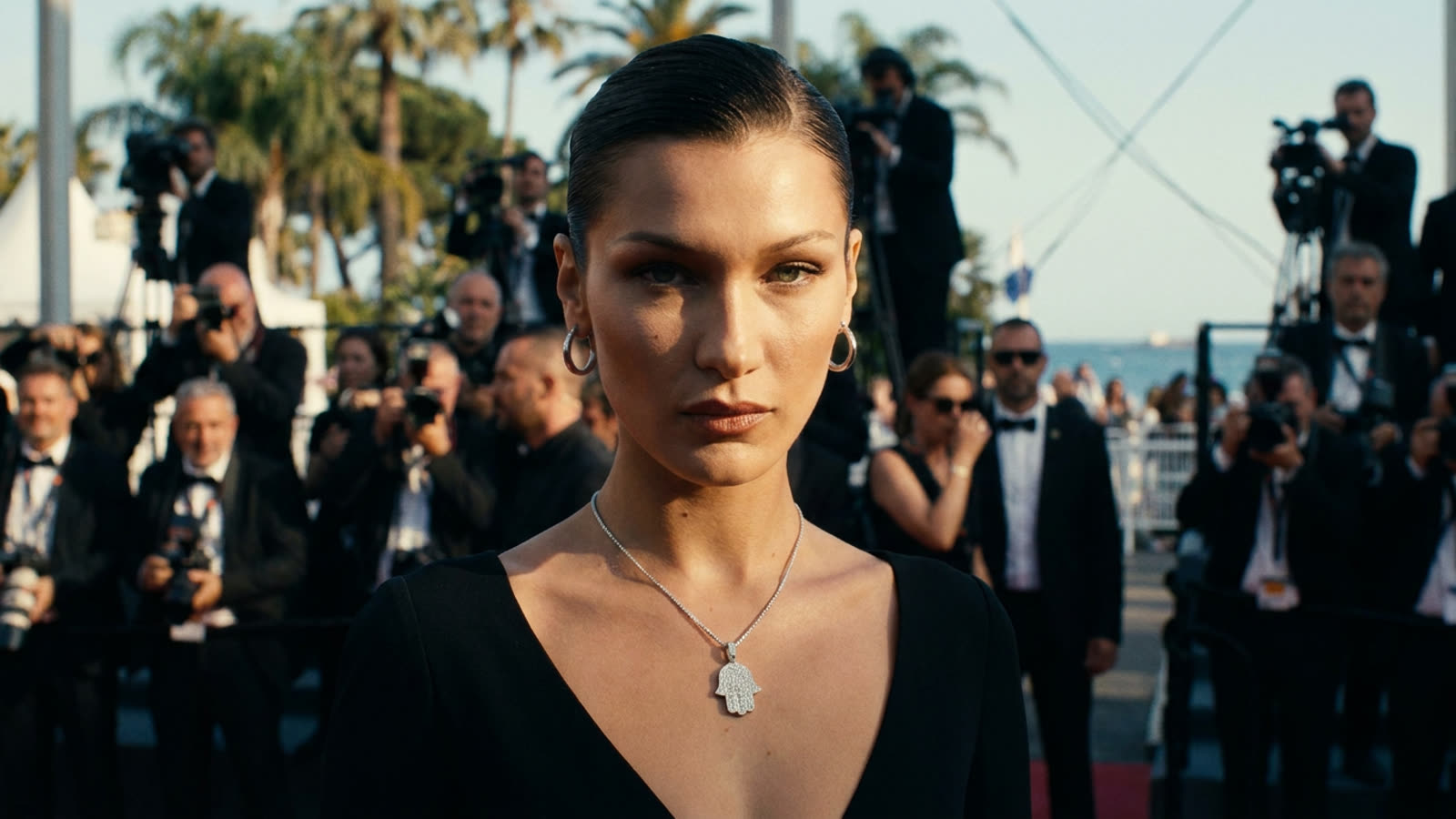
The Cannes Film Festival has always been fashion's most theatrical runway, a place where stars compete for column inches through escalating displays of newness. Bella Hadid appears to have read that memo and promptly discarded it. Across her appearances on the Croisette this week, the model has assembled a wardrobe that functions less like a press tour and more like a museum exhibition: capri pants, silk couture co-ordinates, vintage Manolos, and a wispy Alaïa dress that predates most of her fellow attendees' careers in the industry.
The effect is striking not because the clothes are beautiful—though they are—but because they represent a fundamental challenge to the transactional nature of celebrity dressing. In an ecosystem where designers pay for placement and publicists negotiate exclusivity windows, Hadid is wearing pieces that cannot be purchased, cannot be replicated for the high street, and carry no commercial obligation whatsoever.
The economics of archival dressing
Celebrity fashion has operated on a straightforward exchange for decades: designers provide free clothes, celebrities provide visibility, and everyone pretends the arrangement is purely aesthetic. Hadid's Cannes strategy disrupts this calculus entirely. A vintage Alaïa cannot drive traffic to a brand's e-commerce site. A pair of Manolos from 2003 cannot be restocked. The clothes exist purely as cultural objects, chosen for their design merit rather than their marketing utility.
This is not entirely new territory—Hadid has long cultivated a reputation for vintage hunting, and the broader resale market has made archival fashion more accessible to those with the resources and connections to source it. But deploying this approach at Cannes, where the commercial stakes are highest, suggests a deliberate repositioning of what celebrity dressing can accomplish.
A generational divide on display
The contrast with her contemporaries is instructive. Elsewhere on the red carpet, stars are appearing in pieces fresh from the spring couture shows, their stylists having negotiated the usual arrangements with the usual houses. Hadid's wardrobe reads as a quiet rebuke to this system—not preachy, not political, just demonstrably different.
There is something distinctly generational about this approach. For a cohort that came of age during fashion's sustainability reckoning, wearing vintage is not merely an aesthetic choice but a values statement. Hadid is not lecturing anyone about consumption; she is simply dressing in a way that makes the alternative look slightly less interesting.
Our take
Hadid has found something genuinely clever here: a way to command attention at the world's most image-conscious event while opting out of the machinery that usually governs such attention. Whether this represents the future of celebrity dressing or merely a personal quirk depends largely on whether other stars are willing to sacrifice the commercial relationships that come with wearing new-season pieces. The smart money says they are not. But Hadid has proven, at minimum, that the red carpet can accommodate more than one kind of ambition.